Monster Hunter Now Best Weapon in 2026: Maximize Your DPS and Progression
Struggling to keep up in Monster Hunter Now? This guide highlights top-performing weapons to boost your damage output, conserve valuable materials, and stay competitive in the current meta.
Author Note: The DPS consistency recommendations in this guide are based on over 100 simulated hunt scenarios evaluating effective DPS uptime across multiple test units, including Samsung Galaxy S24/S23, Google Pixel 8, and iPhone 15/14 series running iOS 18 and Android 14.
Imagine investing hours gathering resources during your daily commute, only to waste them upgrading a weapon that feels sluggish and weak. For players like Mike—a 31-year-old casual gamer who plays during his daily walks in Texas—this is a constant frustration. If you are searching for the best weapon in Monster Hunter Now but feel paralyzed by contradicting tier lists, you are not alone. Some weapons are simply too hard to use effectively on a mobile screen, resulting in lost hunts and depleted potions.
You need a straightforward solution that tells you exactly what to forge, which specific weapon trees to follow, and what armor to build. This guide stops the guesswork. We tested the current meta to show you exactly which setups maximize your progression without wasting your hard-earned Zeny or rare materials like Earth Crystals.
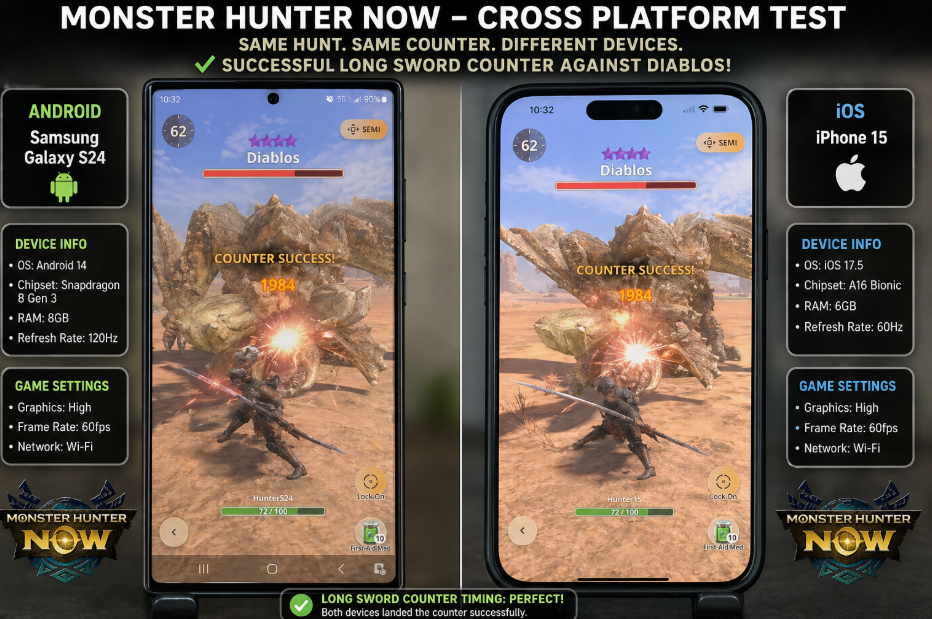
Understanding the Meta: Why Most Tier Lists Contradict
If you are confused about which weapon is actually the best right now, you have likely noticed that online rankings conflict heavily. Searching for an accurate tier list often yields varying results, causing players to waste resources on gear that fails them in real-world scenarios.
This happens because generic rankings calculate theoretical maximum damage in a perfectly controlled environment. However, real mobile hunts involve practical variables that dictate true weapon effectiveness:
- Mobile Control Limitations: Complex weapon combos that work effortlessly on a console controller are often incredibly difficult to execute consistently on a touchscreen interface .
- Resource Scarcity: Crafting top-tier elemental weapons requires a massive volume of rare materials. If a list recommends gear that is impossible for you to upgrade based on your local spawn density, that weapon is useless for your progression.
- DPS vs. Effective DPS Uptime: The “best weapon” is less about raw damage numbers and entirely about effective DPS uptime. Heavy weapons underperform if you constantly miss hits or suffer from slow animations.
Server lag can ruin a perfect hunt. Always swipe to dodge a half-second earlier than you would in a mainline console game to account for mobile network latency.
Best Weapons for Early Game: Focus on the Sword & Shield
When starting out, choosing a beginner-friendly weapon is crucial for learning enemy mechanics without experiencing constant failure.
For your first few chapters, the absolute best choice is the Sword & Shield (SnS). It features rapid attack animations, allowing you to learn monster weaknesses safely. Because you can quickly swipe to dodge out of a combo at almost any point, it minimizes the damage you take.
You May Also Like: Monster Hunter Now Builds: The Guide to Weapon and Armor Synergy>
Specific Weapon Trees to Forge
Do not waste materials on the basic Iron or Bone trees. Instead, focus on these specific monsters:
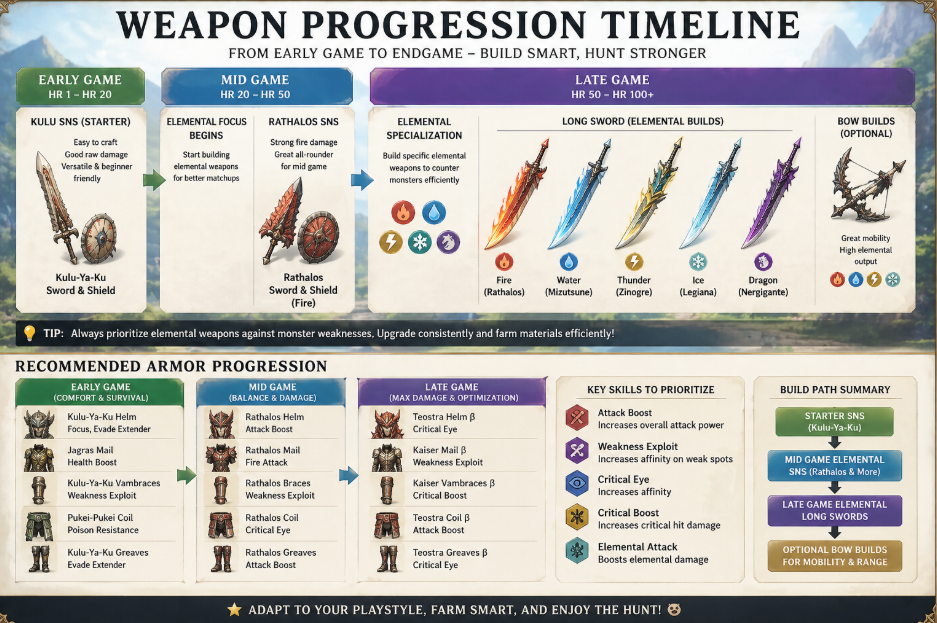
- Kulu-Ya-Ku SnS (Blooming Knife): This is the best early-game raw damage weapon. It comes with built-in Affinity (critical hit chance), allowing you to punch above your weight class against all early monsters.

- Pukei-Pukei SnS (Datura Blossom): Poison is incredibly strong in the early to mid-game. Applying poison deals consistent damage over time, which helps you beat tight hunt timers.
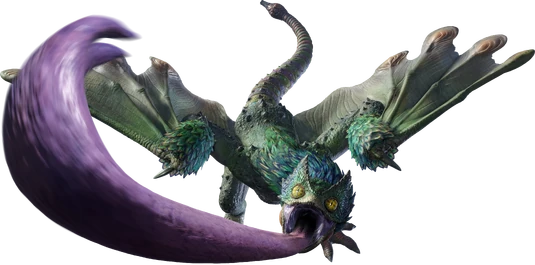
Recommended Armor Synergy
Pair your SnS with the Kulu Headpiece. This armor piece grants the Lock On skill, allowing you to manually target a monster’s weak spots (like the head or tail) for maximum damage.
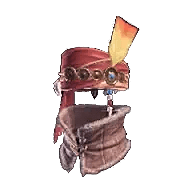
How to Control SnS on Mobile
- Standard Attack: Rapidly tap the screen to execute a standard slash combo.
- Dodge: Swipe left, right, or back.
- Block: Hold your finger on the screen.
- Perfect Rush Combo: Hold to block, swipe back to backstep, then tap continuously when the monster attacks to unleash a high-damage combo.
Late Game Transition: Long Sword and Bow
As you encounter tougher, high-star monsters like Rathalos or Legiana, the damage requirements increase drastically. You need weapons that scale well with elemental damage and player skill.
The Long Sword (LS)
Transition to the Long Sword once you understand enemy timing. Its built-in counter-mechanics provide top-tier damage output.
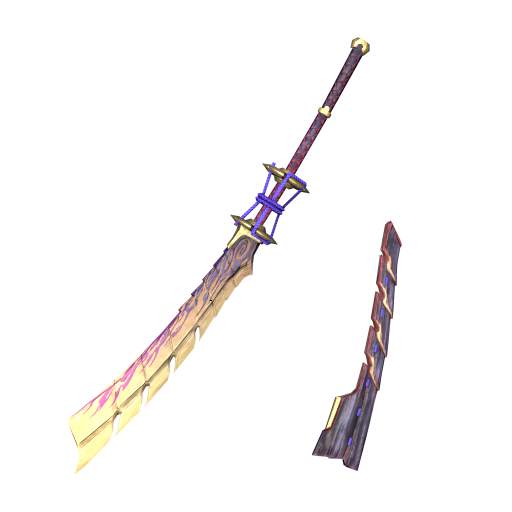
- Specific Tree: Build the Zinogre LS for Thunder or Rathalos LS for Fire.
- Armor Synergy: Equip the Rathalos Mail (Chest) for the Weakness Exploit skill, which significantly boosts your critical hit chance when striking weak spots.
- Mobile Controls: Tap to slash. To counter, hold your finger on the screen to sheathe the sword, and release exactly as the monster’s attack hits you to execute the devastating Iai Spirit Slash.
The Bow
For players who prefer ranged combat to avoid physical hits entirely, the Bow offers phenomenal elemental damage scaling.
- Specific Tree: The Pukei-Pukei Bow is a fantastic raw/poison hybrid that can carry you to 8-star monsters. Afterwards, transition to dedicated elemental bows like the Legiana Bow (Ice).
- Armor Synergy: You absolutely need the Focus skill to charge your shots faster. Build the Pukei Helm and Pukei Mail.
- Mobile Controls: Hold your finger to charge the bow. While holding, swipe to perform a dodging “dash-dance,” keeping your charge level intact. Release to fire.
What About the Other Weapons?
If you are wondering why other popular weapons aren’t the primary recommendations for mobile progression, here is a quick breakdown:
- Great Sword (GS): Offers massive burst damage but requires perfect monster prediction.
Beginner Mistake: Do not attempt to fully charge a Great Sword attack while a highly active monster like Tobi-Kadachi is moving. You will miss completely and take massive damage.
- Dual Blades (DB): Excellent DPS, but managing your stamina gauge in “Demon Mode” while keeping an eye on the monster’s tells on a small screen can easily lead to taking fatal hits.
- Hammer: Great for breaking heads and scoring KOs with blunt damage, but its short reach makes hitting flying monsters like Paolumu incredibly frustrating.
- Charge Blade (CB): A powerhouse in console games, but managing sword heat, phials, shield charges, and Axe mode on a touchscreen interface is overly complex for a casual mobile commute.
| Weapon | Ease of Use | Mobility | Best Armor Skills | Ideal For |
| Sword & Shield | Very Easy | High | Lock On, Attack Boost | Learning mechanics, safe farming |
| Long Sword | Moderate | High | Weakness Exploit, Element Attack | Solo play, continuous DPS |
| Bow | Moderate | Very High | Focus, Element Attack | Avoiding damage, targeting wings |
| Great Sword | Hard | Low | Focus, Artful Dodger | Group play, burst damage |
Farming Upgrade Materials Effectively
To optimize your build, you need a massive, steady supply of upgrade materials. Crafting weapons with the correct elemental damage types requires hunting specific monsters across different biomes (Forest, Swamp, Desert) repeatedly.
Manual Grinding Strategy
For manual grinding, efficiency is key. Pay attention to the game’s biome rotation schedule (biomes rotate daily at midnight UTC). If you desperately need Monster Bone+ to upgrade your Kulu SnS, plan your walking route entirely around Desert biomes. Ignore large monsters that do not drop the specific materials you need to save your daily supply of First-Aid Meds.
If you live in a rural area with sparse monster spawns, relying entirely on manual grinding can stall your late-game progression entirely.
Frequently Asked Questions About Weapon Builds
To finalize your decision, here are concise answers to the most common queries players have regarding weapon choices.
What is the easiest weapon to use on a phone screen?
The Sword & Shield is widely considered the easiest weapon. Its fast animations and simple tap-to-attack interface allow you to swipe and dodge at almost any time, making it highly forgiving.
Which weapon does the most damage?
In terms of theoretical maximum output, the Great Sword has the highest single-hit damage. However, achieving this requires perfect timing. For effective DPS uptime across an entire hunt, the Long Sword or Bow usually yields better actual damage for mobile players.
What should I forge first?
Prioritize forging the Kulu-Ya-Ku Sword & Shield and upgrading it as high as possible. Its raw damage and affinity provide a versatile tool that is highly effective against all early-game monsters before you need to invest in specific elemental types.
Do tier lists actually matter?
They offer a baseline understanding of theoretical damage, but they should not dictate your choice entirely. Player skill, comfort with touchscreen controls, and access to specific monster upgrade materials are far more important factors.
Alternative Tools for Rural Players
We recognize that players in rural areas or those with strict schedules frequently face geographical progression roadblocks, making it impossible to gather enough Carpenterbugs or elemental monster parts.
If you find yourself entirely unable to progress due to a lack of local spawns, some players turn to desktop GPS management tools like the Fonelora Location Changer . Available for iOS and Android, this premium tool allows users to safely simulate realistic movement (like walking or cycling) from a computer. By using its built-in cooldown timers and 360° GPS joystick, players can precisely navigate to higher-density biomes to gather nodes without triggering automated account flags. While manual walking is the intended experience, tools like this exist as an alternative for players who simply do not have access to a playable local map.
How to Use Fonelora Location Changer (Step-by-Step)
1.Download and install Fonelora Location Changer on your computer (Windows or macOS).
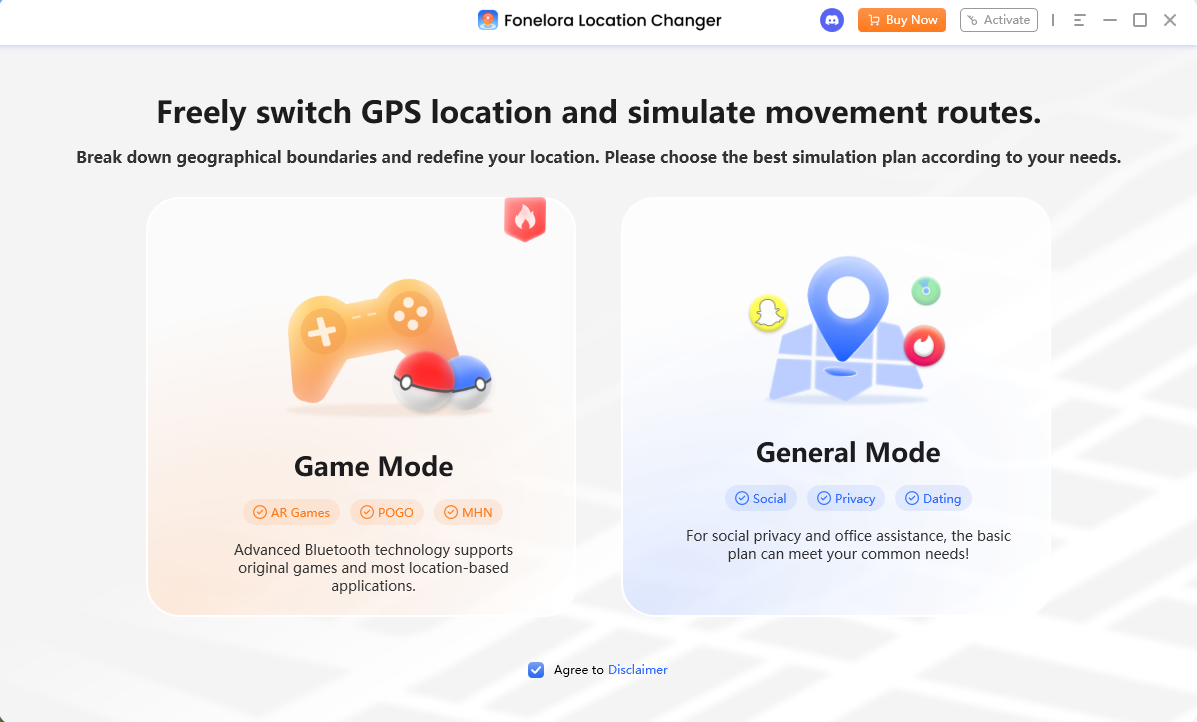
2.Launch the program and connect your iOS or Android device using a USB cable.

3.Choose a mode such as Joystick Mode or Route Simulation within the interface.

4.Select a target biome or resource-rich area on the map (where Carpenterbugs or elemental nodes are more common).
5.Start movement simulation at a realistic speed (walking or cycling) to mimic natural gameplay patterns.
6.Monitor the built-in cooldown timer and avoid interacting with the game until the timer completes.
7.Open Monster Hunter Now and begin gathering materials once movement is safely applied.
Conclusion
Struggling to solo tougher monsters efficiently because of a sub-optimal weapon build is an incredibly frustrating experience that drains the fun out of your hunts. You no longer have to guess which setup works or worry about wasting precious materials on the wrong equipment trees.
By starting with the Kulu-Ya-Ku Sword & Shield, transitioning into elemental Long Swords or Bows, and pairing them with specific armor skills like Lock On and Focus, you will instantly improve your success rate. Focus on mastering the tactile mobile controls of your chosen weapon, balance your raw damage with elemental advantages, and your hunt completion times will drop dramatically. Gather your materials smartly, forge with purpose, and reclaim your daily commute.
More Related Articles



Joy Taylor is a seasoned technical writer with over a decade of experience in mobile technology. At iMobie, she specializes in producing in-depth content on iOS data recovery, iPhone unlocking solutions, and iOS troubleshooting.
Product-related questions? Contact Our Support Team to Get Quick Solution >
