Best Apps Similar to Grindr: Exploring Safer, Better Connections
This article explores tested alternatives to apps like Grindr, focusing on safer features, fewer fake profiles, better privacy control, and improved ways to find more authentic and meaningful local connections.
Dealing with constant negativity while searching for a genuine connection can be incredibly frustrating. If you are struggling to find authentic interactions on standard local grids, you are not alone. Many users face ongoing worries about data sharing, alongside an influx of fake profiles that make standard geolocation networks feel unsecure. Furthermore, the limited features in most free versions often prevent you from finding the community you actually want to engage with.
This article is the result of direct hands-on testing to find reliable apps similar to Grindr that offer a much more comfortable, secure digital experience. By exploring carefully vetted alternatives, comparing their features, and understanding their unique demographics, you will discover tested methods to bypass restrictive hyper-local matching and regain control of your online social life today.
Understanding the Limits of Traditional Location-Based Dating
When you depend strictly on standard grid-style dating, you frequently encounter structural limitations that restrict your overall experience. The primary issue with a hyper-local matching pool is the inherent difficulty in branching out. If you live in a less populated geographic area, a standard five-mile radius severely limits the number of visible profiles, forcing you to view the exact same users repeatedly.
When users interact exclusively within a confined digital space, conflicts often become much more prominent. Without the ability to easily browse other cities or neighborhoods, you cannot escape a stagnant local grid .
Furthermore, hyper-local systems keep you permanently tied to your exact physical coordinates, which exposes your daily routines to nearby strangers. By understanding these inherent mechanical flaws, you can see exactly why exploring alternative software becomes necessary for users who require a broader, more secure networking environment.
Top Dating Apps Like Grindr: Real Reviews and Comparisons
When looking for dating apps like Grindr, your priority should be finding platforms that provide advanced user matching algorithms and strict profile verification. During my journey of navigating away from frustration with bots and hidden fees, I tested several platforms to see which ones actually delivered better results.
Here is a critical expert insight: platforms with active moderation tend to create healthier communities. Trying multiple platforms helps users find the best fit for their personal preferences. Below are the actual reviews of the top alternatives available right now, including my personal insights on their user interface, pricing, and overall vibe.
1. Scruff: Best for Travel and Older Demographics
Scruff has long been the primary competitor to Grindr, but it caters to a slightly different demographic, typically skewing toward guys in their late 20s and up, with a focus on bears, muscle, and bearded men.
- Real User Insight: I noticed Scruff has way fewer bots than Grindr. The moderation is visibly stricter, and you rarely get spammed by automated messages. I wish I knew about the “Scruff Venture” feature before traveling last year; it lets you browse and connect with locals in your destination city weeks before you even arrive.
- Key Features: Advanced filtering, global travel mode, and event listings.
- Cost: The free tier is quite generous. Scruff Pro costs around $19.99/month, unlocking unlimited browsing and advanced search filters.
2. Sniffies: Best for Map-Based Cruising
Sniffies is a web-based application (though it acts like a native app on your phone) that has exploded in popularity. It uses a literal map interface rather than a grid, showing exactly where users are currently located or hosting.
- Real User Insight: Sniffies is highly geared toward immediate, casual hookups. While it is incredibly efficient, it relies heavily on your exact location. You need to be very mindful of your privacy settings here.
- Key Features: Interactive map, group chat features, and incognito mode.
- Cost: Free to use for basic messaging and map viewing. Sniffies Elite is roughly $29.99/month, which allows you to hide your location, browse privately, and see unlimited photos.
3. Taimi: Best for Inclusivity and Gen Z
If you are looking for advanced matching algorithms rather than simple proximity-based encounters, Taimi is a standout. It functions more like a traditional dating app blended with a social media feed, making it highly popular with Gen Z and the broader LGBTQ+ community.
- Real User Insight: Advanced matching algorithms improve connection quality over simple location-based systems. I found that Taimi’s focus on detailed profile prompts and shared interests fostered much deeper, meaningful conversations rather than just the standard “Looking?” messages.
- Key Features: Swipe-based matching, social media style posts, live streaming, and high inclusivity for trans and non-binary users.
- Cost: Free to match and message. Taimi Premium (around $14.99/month) reveals who liked you and boosts your profile visibility.
4. Jack’d: Best for Diverse Communities and Free Features
Operated by the same parent company as Scruff, Jack’d shares a similar interface but attracts a younger and highly diverse demographic, particularly prioritizing men of color.
- Real User Insight: Jack’d easily has one of the most generous free tiers on the market. Unlike Grindr, which aggressively paywalls your ability to see who viewed your profile or message history, Jack’d gives you a lot of core functionality without asking for a credit card.
- Key Features: See who viewed you for free, robust photo sharing, and a very active, diverse user base.
- Cost: Jack’d Pro is around $14.99/month, removing ads and adding deeper filtering.
5. Archer: Best for Serious Dating and Verified Profiles
Archer is a newer entry into the market, specifically designed to counter the anonymity and toxicity found on older apps. It requires selfie verification, meaning every face you see has been checked against a live camera feed.
- Real User Insight: This app practically eliminates the blank profile problem. Since everyone has to show their face and answer prompts, the conversations feel much more human. If your goal is to find actual dates rather than quick encounters, Archer is currently the best environment for it.
- Key Features: Mandatory selfie verification, story-like profile displays, and a strong focus on dating over hookups.
- Cost: Currently entirely free to use as it builds its user base.
Decision-Making Guide: Comparing Your App Options
Evaluating how you interact with these platforms requires an objective look at what you actually want from your online experience. Below is a breakdown of how these specific alternatives compare to one another.
Quick Comparison of Alternatives
| Platform | Core Demographic | Primary Vibe | Profile Verification Level |
|---|---|---|---|
| Scruff | Late 20s+, Bears, Muscle | Travel, Networking, Dates | Medium (Robust moderation) |
| Sniffies | All ages | Immediate Hookups, Cruising | Low (High anonymity) |
| Taimi | Gen Z, Broad LGBTQ+ | Dating, Socializing, Swiping | High (Required for most features) |
| Jack’d | 20s-30s, Diverse, POC | Casual Dating, Chatting | Medium (Active user reporting) |
| Archer | 20s-40s | Serious Dates, Relationships | Very High (Mandatory Selfie-Check) |
Choosing the right platform is just the first step. To completely secure your digital footprint, you also need to manage how these apps read your physical data.
Bonus Tip: Enhancing Privacy on LGBTQ Apps with Fonelora
Even when you switch to better, more inclusive applications, location-based software inherently shares your coordinates. If you use map-heavy apps like Sniffies, or if you simply want to browse Scruff in a different city without paying for premium travel features, a dedicated GPS simulation tool offers a highly effective security layer.
Users should prioritize apps with strong encryption and transparent data policies, and pairing them with a location manager masks your real coordinates for maximum protection. Fonelora Location Changer is a reliable modification tool designed for both iOS and Android users. It provides a simple method to control your device’s coordinates securely from your desktop.
Why You Might Consider a Location Changer
Fonelora specifically counters worries about data sharing by replacing your actual real-time GPS data with realistic simulated movement.
- Privacy First: It actively hides your exact home or work address from local grids.
- Safe Game Mode: This tracks safe movement intervals, ensuring your location changes appear completely natural and minimizing the risk of account penalties.
- Multi-Device Control: You can manage multiple smartphones simultaneously from a single computer, which is highly efficient if you maintain separate devices for dating and work .
Step-by-Step Procedure for Modifying Your Location
1. Connect Your Device: Download and open Fonelora Location Changer on your Windows or Mac computer. Connect your iOS or Android device via USB, Wi-Fi, or Bluetooth.
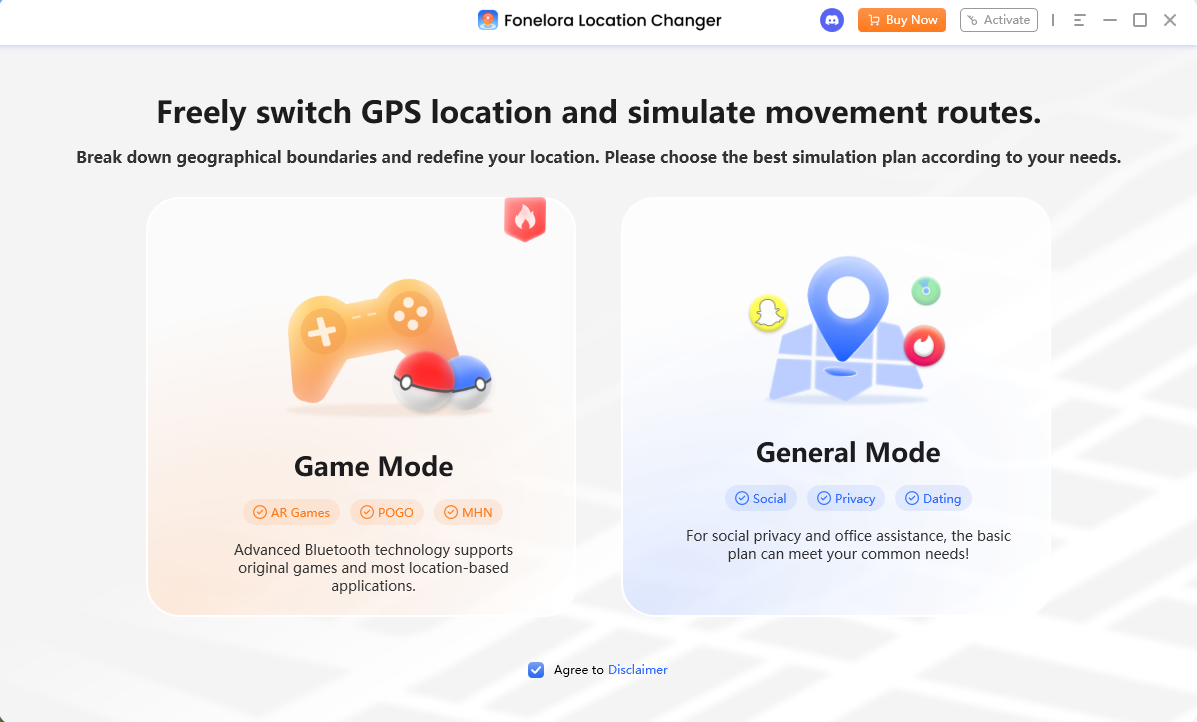
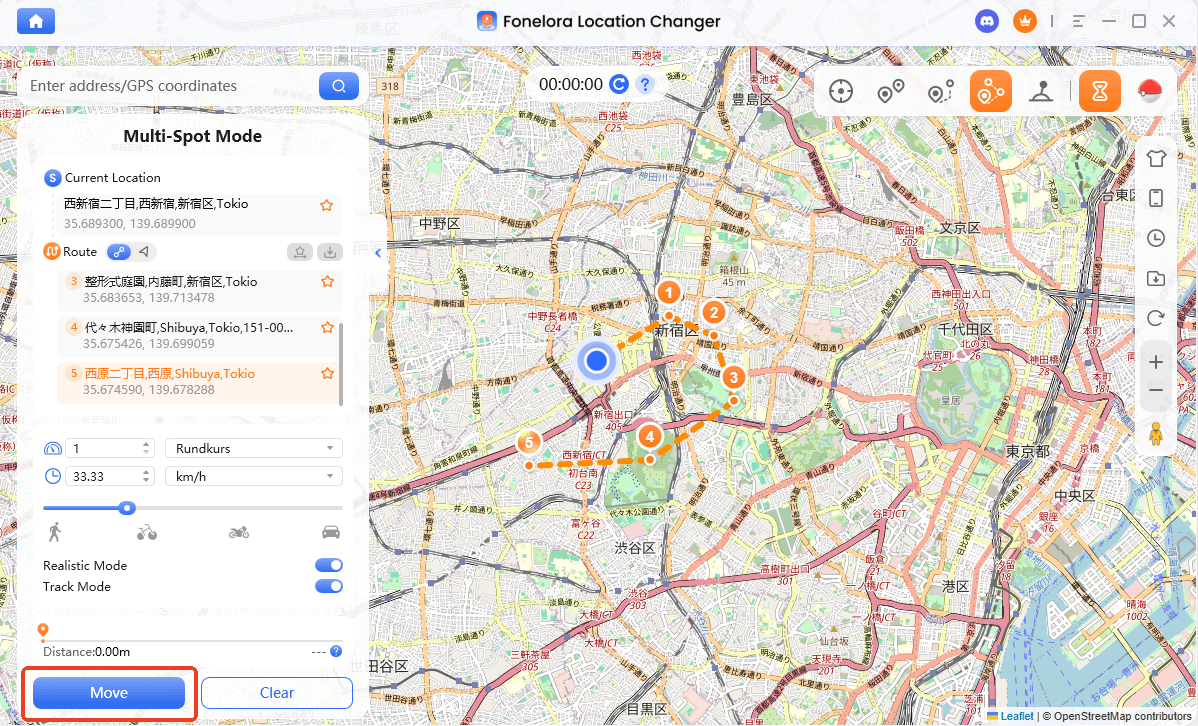
2. Choose a Location Mode: Select Teleport Mode for an instant coordinate change across your apps, or Multi-Spot Mode to simulate natural walking routes.
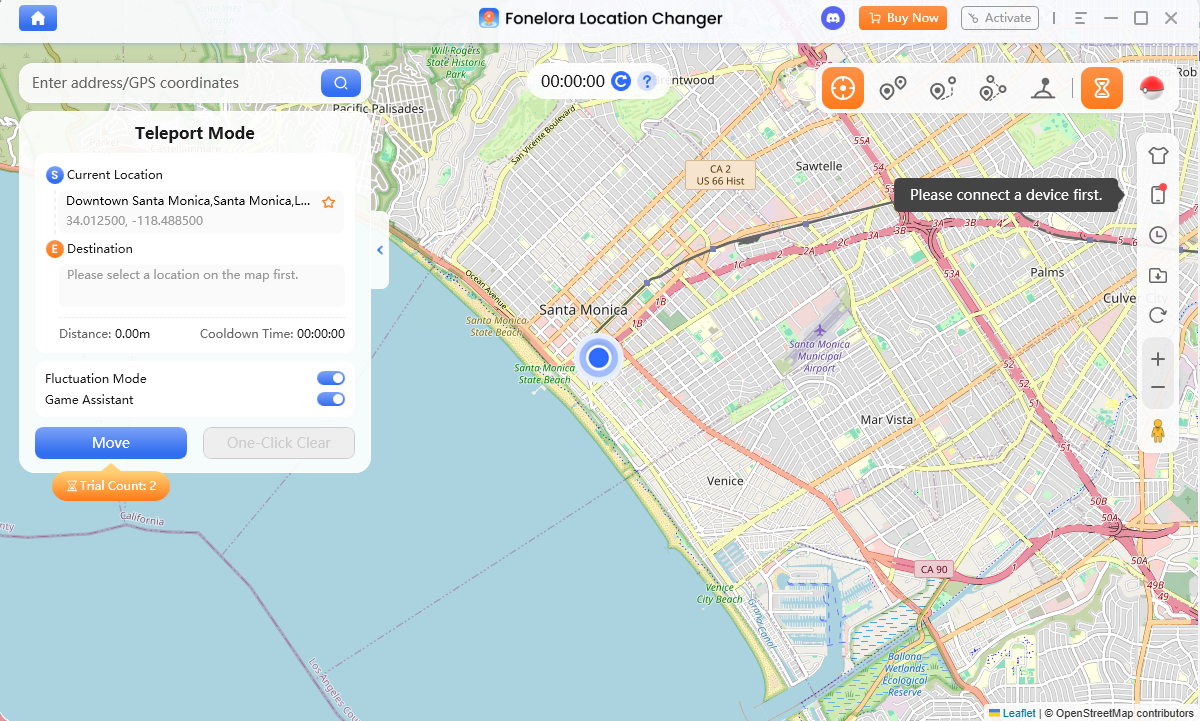
3. Update Your Coordinates: Enter your target destination into the search bar and click “Move”. Your phone will now reflect this new location, allowing you to safely browse new neighborhoods or cities without exposing your actual whereabouts.
Frequently Asked Questions
Navigating the landscape of new dating platforms often brings up specific questions regarding features, algorithms, and safety protocols. Below are clear, objective answers to common inquiries.
What are the best apps similar to Grindr?
The best alternatives depend on your goals. Scruff is excellent for travel and a mature demographic. Sniffies is popular for immediate, map-based cruising. Taimi and Archer are superior for finding actual dates and highly verified profiles.
Which apps have better privacy than Grindr?
Sniffies offers a premium incognito mode that completely hides you from the map until you choose to interact. Additionally, pairing any of these platforms with a GPS modification tool like Fonelora Location Changer further protects your physical coordinates from being tracked by local users.
How do these alternatives compare in features?
Most alternatives offer highly distinct user experiences. Sniffies uses a literal geographic map. Scruff uses a classic grid but adds travel networking. Taimi uses a swipe-based algorithm focused on detailed prompts to foster deeper connections rather than just proximity-based encounters.
Conclusion
Navigating the digital dating scene no longer has to be an experience filled with frustration, bots, and aggressive paywalls. By stepping away from stagnant local grids and exploring dedicated alternatives like Scruff, Taimi, Jack’d, Sniffies, or Archer, you can establish a much safer environment for online connections.
Remember that trying multiple platforms helps you find the community that best matches your personal preferences. Whether your priority is finding serious dates through verified profiles or safely managing your digital footprint with a tool like Fonelora Location Changer, you have the power to curate your experience. Take control of your digital privacy today, download a platform that meets your standards, and discover a more comfortable way to connect.



Joy Taylor is a seasoned technical writer with over a decade of experience in mobile technology. At iMobie, she specializes in producing in-depth content on iOS data recovery, iPhone unlocking solutions, and iOS troubleshooting.
Product-related questions? Contact Our Support Team to Get Quick Solution >
