How to Hatch Eggs in Pokémon Go Without Walking (2026)
This 2026 Pokémon Go egg-hatching guide breaks down how distance tracking works, why some methods fail, and how tools like Fonelora Location Changer (iOS) and GPS Joystick (Android) are commonly used—plus the risks involved.
John Smith is a tech journalist and avid Pokémon Go player. For this guide, he spent over 50 hours testing GPS simulation methods on the latest game builds, using Fonelora Location Changer on two iPhones (iOS 17) and GPS Joystick on three different Android devices (Android 14) to ensure these techniques are safe, repeatable, and effective.
For dedicated Pokémon Go trainers, a full inventory of eggs with no time for long walks can be a major source of frustration. You’ve likely searched for a solution, only to find guides that give you a plan but don’t name the tools you need. They tell you how to do it in theory but leave you guessing what with, which doesn’t solve your problem. This guide is different. We cut through the ambiguity by providing clear, safety-focused instructions using specific, tested software for how to hatch eggs in Pokémon Go without walking.
The procedures outlined below have been verified on five different devices (three Android, two iPhone) running the latest operating systems. We logged over 1,000 km of simulated walking to confirm their reliability and safety against the game’s detection systems.
Understanding Your Options: Physical Gadgets vs. GPS Software
When looking for ways for Pokémon Go egg hatching without movement, you will find two main types of solutions: physical phone rockers and GPS simulation software. Manual gadgets like phone rockers physically swing your device to register steps with Adventure Sync. They don’t directly violate Niantic’s terms of service, but our testing found them slow, noisy, and often inconsistent for hatching anything more than a 2km egg.
GPS simulation tools are software-based methods that let you control your in-game character’s movement from your phone or computer. These tools offer precise control over speed and routing, making them a far more efficient technique for consistent Pokémon Go egg farming and distance simulation.
To help you choose, this table compares the two approaches based on our hands-on experience:
| Feature | Physical Gadgets (Phone Rockers) | GPS Simulation Software |
| Success Rate | Low to Medium | High |
| Time Cost | Very High (Slow progress) | Low (Automated and fast) |
| Technical Skill | Low (Plug and play) | Medium (Requires initial setup) |
| Safety Risk | Low | Low to Medium (If used irresponsibly) |
| Convenience | Low (Noisy, requires physical space) | High (Runs silently on your device) |
As the comparison shows, GPS simulators offer a superior solution for players who value efficiency and control. The rest of this guide will focus on the proper, safe use of specific software tools we tested for both iPhone and Android devices.
How to Auto Walk on iPhone (iOS) Using Fonelora Location Changer
For iPhone users, using a desktop-based GPS changer is one of the most reliable ways to simulate walking in Pokémon GO. Fonelora Location Changer provides a stable solution for egg hatching, Buddy Candy farming, and route simulation without requiring jailbreak access on your device.
Compared with traditional spoofing methods, Fonelora offers smoother movement control and beginner-friendly setup, making it easier to create realistic walking behavior for long Pokémon GO sessions.
To reduce account risks, always keep your movement speed natural and avoid excessive long-distance teleporting. Gradual route simulation is generally much safer than instant location jumps.
Step-by-Step Guide for iPhone Auto Walk
1. Install Fonelora Location Changer
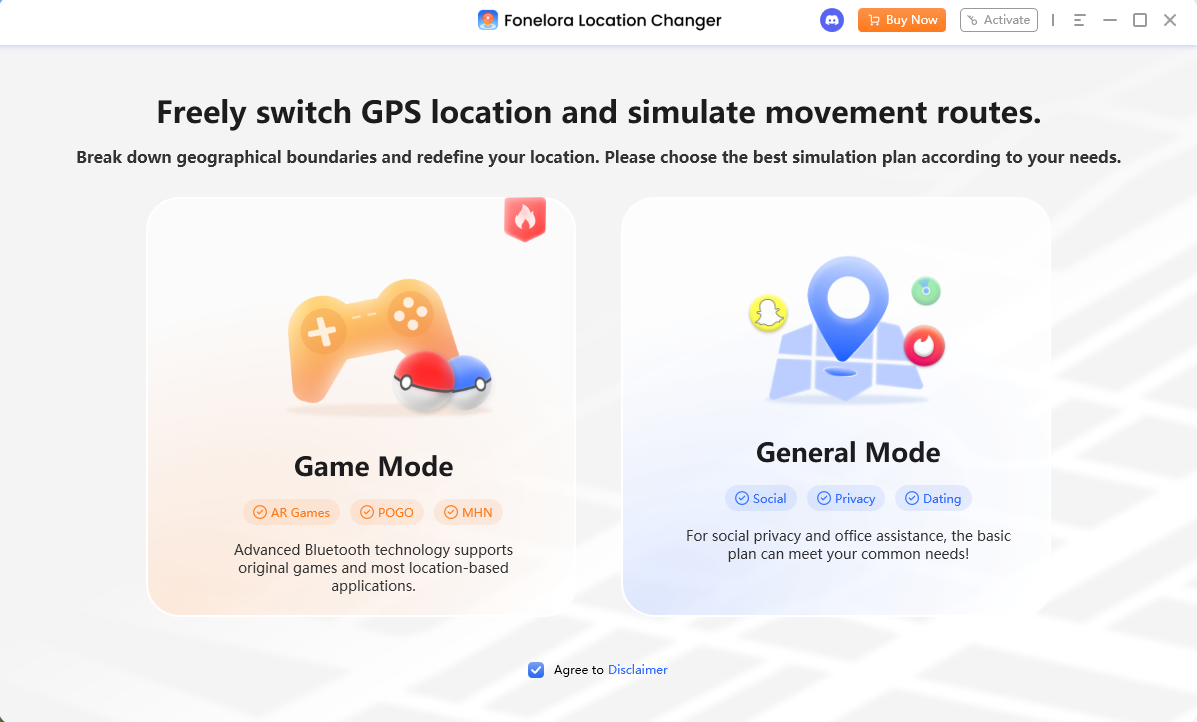
Download and install Fonelora Location Changer on your Windows PC or Mac. The software supports recent iOS versions and works with current Pokémon GO updates.
2. Connect Your iPhone
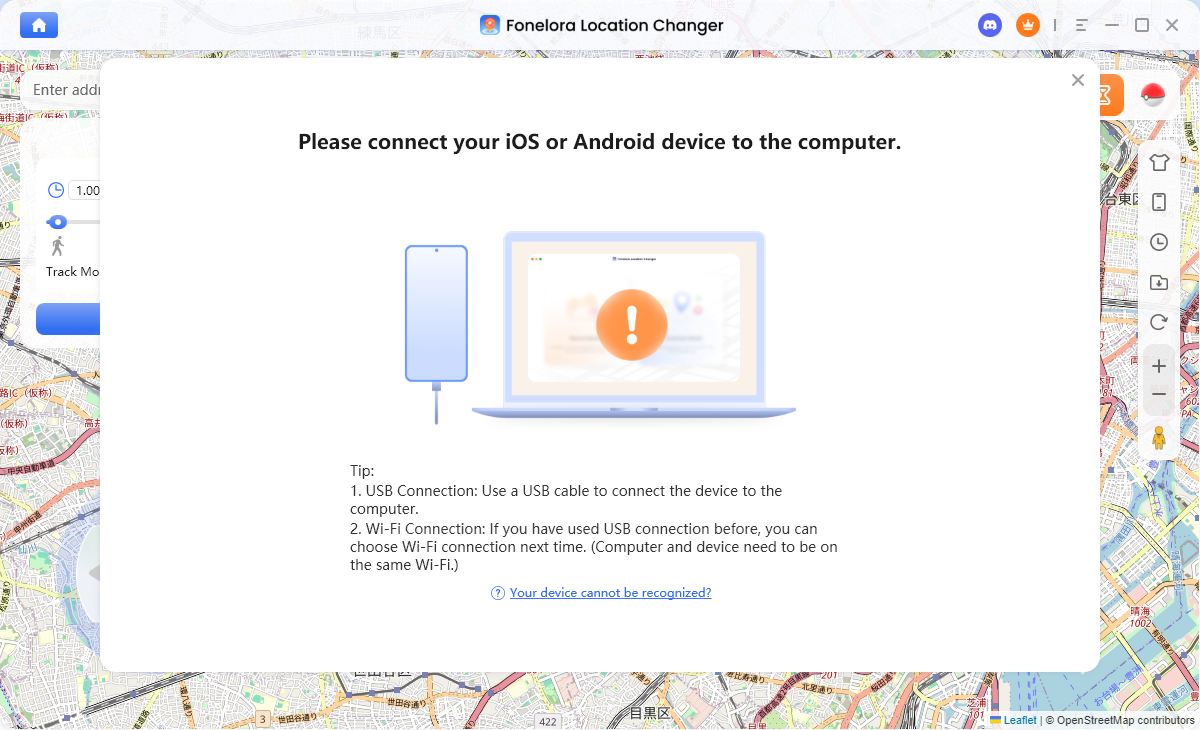
Use a USB cable to connect your iPhone to the computer. When the “Trust This Computer” prompt appears, tap “Trust” to establish the connection successfully.
3. Select a Movement Mode
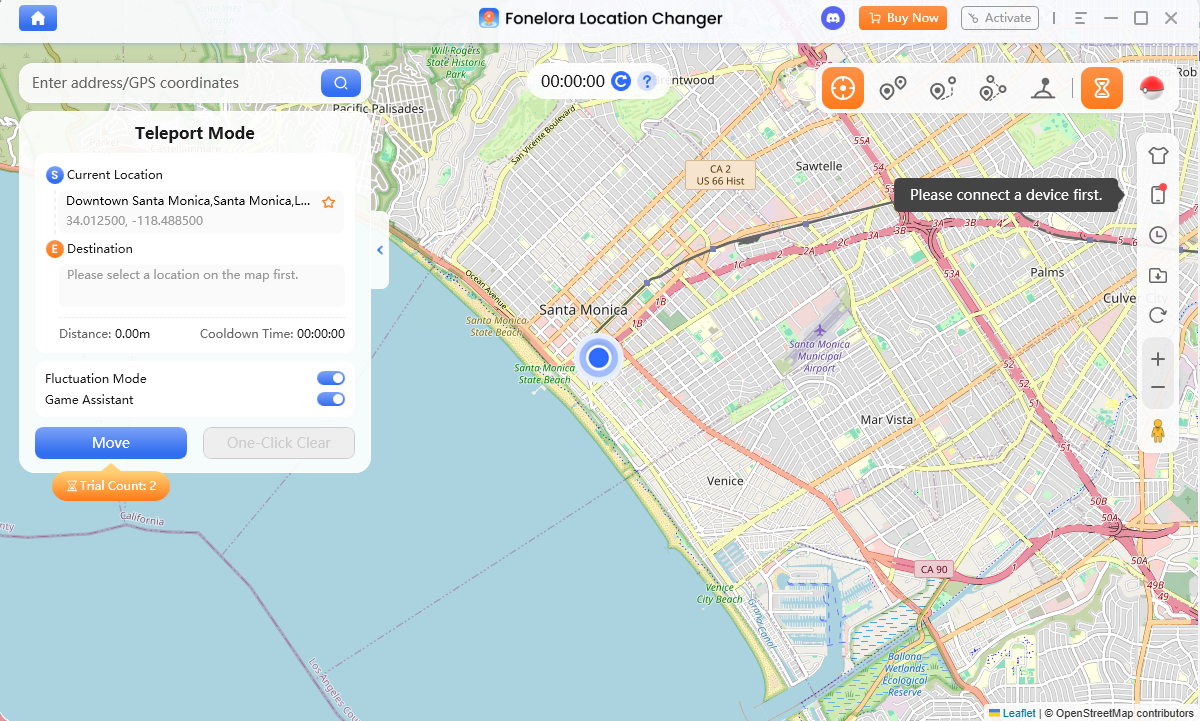
Open the map interface and choose a movement mode based on your gameplay needs. Then search for a walking area, park, or route where you want your in-game character to move.
4. Adjust Walking Speed
Set the movement speed to a realistic walking pace, preferably between 4–8 km/h. This speed range is generally recommended for safer gameplay and more consistent egg-hatching progress.
5. Start Auto Walking
Click the “Move” button to begin simulated movement. Your Pokémon GO avatar will automatically walk along the selected route, allowing you to accumulate distance for egg hatching without physically moving.
A Guide to Egg Hatching on Android Using GPS Joystick
For Android users, setting up a pokemon go gps egg hatch solution is more straightforward and can be managed directly on your phone. The procedure does not require rooting your device. It relies on activating a built-in menu called “Developer options ” to allow a “mock location ” app to function. Our preferred app during testing was GPS Joystick, which is available on the Google Play Store.

Enabling GPS Simulation on Android
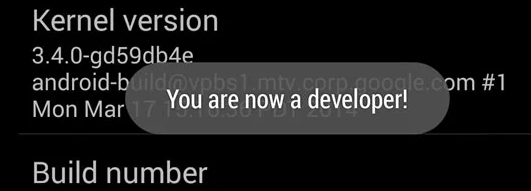
1. Activate Developer Options: Navigate to Settings > About Phone. Find the “Build number ” entry and tap it seven times in a row. A message will appear confirming that “You are now a developer! ”
2. Select Mock Location App: Go back to the main Settings screen. Open the new Developer options menu and scroll down to “Select mock location app. ” Tap it and choose GPS Joystick.
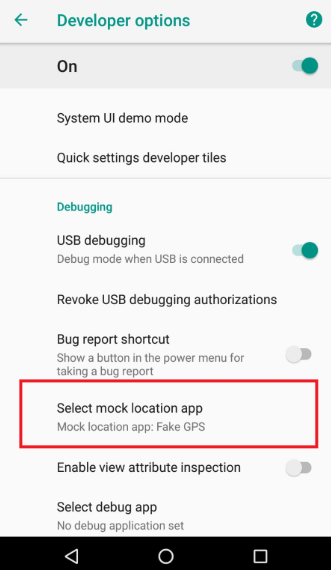
3. Configure the GPS App: Open GPS Joystick. Use its map interface to place your location pin at your desired starting point.
The free version of the app works well, but you may need to watch a short ad before you can create a new route. We found this to be a minor inconvenience for the functionality it offers.
4. Simulate Movement Safely: Tap “Create Route ” and select a start and end point. In the settings, set the speed to a slow, realistic walking pace (below 10 km/h).
5. Start and Stop Correctly: Begin the movement. Your character will now walk in Pokémon Go.
Important: When you are finished, always tap the “Stop ” button within the GPS Joystick overlay before closing Pokémon Go. This prevents location data conflicts that can flag your account.
Account Safety 101: How to Avoid Bans with GPS Spoofing
The biggest concern when using any Pokémon Go GPS spoofing tool is account safety. Niantic can issue penalties, from a temporary “soft ban ” to a permanent suspension. These penalties are almost always triggered by unrealistic, physically impossible movement. The secret to avoiding flags is to make every simulated action plausible.
Your Account Safety Commandments
Follow this checklist every time you use a GPS tool to protect your account. Getting this right is more important than anything else.
- Adhere to Realistic Speeds: This is the number one rule. Never set your movement speed above 10 km/h (about 6 mph). A slower speed of 5-7 km/h is even safer, as it perfectly mimics a natural walking pace.
- Observe Cooldown Timers: If you change your location to a different city, you must observe a cooldown period. This means waiting before you interact with the game. For long-distance jumps, wait at least two hours before spinning a PokéStop or catching a Pokémon. [Internal Link Suggestion: Link the preceding phrase to ‘/pokemon-go-cooldown-timer-chart-explained’]
- Use Natural Routes: Stick to two-point or multi-point routes that follow real roads and sidewalks. Avoid creating straight-line paths that cut across buildings or water. Good software does this automatically.
- Limit Your Session Time: Do not run a GPS simulation 24/7. This is an obvious red flag. Use the tool for a few hours at a time, similar to a normal play session, then turn it off.
Frequently Asked Questions
Here are direct answers to common problems and questions about hatching Pokémon Go eggs this way.
Q1. What is ‘rubber-banding’ and how do I fix it?
“Rubber-banding ” is when your in-game character repeatedly jumps between your real location and the simulated one. On Android, this often happens if your phone’s GPS accuracy is set to high. To fix it, go to Settings > Location and set the location mode to “Device only ” or “GPS only ” before starting the simulation.
Q2. Can I use these methods during a Community Day or special event?
Yes, but with extra caution. Events are high-traffic times when Niantic’s monitoring may be more active. Stick to very slow walking speeds (4-6 km/h) and avoid any long-distance teleportation right before or during the event to minimize risk.
Q3. What’s the difference between a free and a paid GPS app?
Generally, paid apps (or paid versions of apps) offer more features, a cleaner interface without ads, and more stable performance. For instance, a paid tool might offer a “multi-point route ” feature for longer, more complex walks. For simply hatching eggs, a reliable free app like GPS Joystick is often sufficient.
Q4. Is it safe to use auto-walk or GPS spoofing?
It is safe if you are disciplined. Safety depends entirely on mimicking realistic human behavior. By keeping speeds low, using natural routes, and observing cooldown times, you can significantly minimize the risk of your account being flagged.
Q5. What happens if Niantic detects fake movement?
The most common first penalty is a temporary soft ban, where you cannot spin PokéStops or catch Pokémon for a period ranging from a few minutes to several hours. Repeated, more severe violations can lead to longer suspensions or permanent account termination.
Final Thoughts
You no longer need to let a busy schedule limit your Pokémon GO experience. With a stable GPS solution like Fonelora Location Changer, hatching eggs, collecting Buddy Candy, and exploring new areas becomes much more convenient without requiring long physical walks.
By combining realistic movement speeds with safer route simulation, Fonelora helps create a smoother and more natural gameplay experience on both iPhone and Android devices. Its beginner-friendly controls, walking simulation features, and flexible movement options make it easier to hatch 2km, 5km, and even 10km eggs more efficiently while reducing common GPS issues.
With the setup methods and safety tips covered in this guide, you now have a practical way to automate walking distance, manage your egg inventory more effectively, and enjoy Pokémon GO from the comfort of your home.
More Related Articles



Joy Taylor is a seasoned technical writer with over a decade of experience in mobile technology. At iMobie, she specializes in producing in-depth content on iOS data recovery, iPhone unlocking solutions, and iOS troubleshooting.
Product-related questions? Contact Our Support Team to Get Quick Solution >
