Pokémon GO is not only about catching Pokémon — it is about building the strongest possible team for PvP battles, raids, and GO Battle League performance.
A Pokémon GO Team Builder helps trainers analyze type matchups, simulate battles, and create optimized lineups based on the current meta.
However, many players face a hidden limitation: Pokémon availability is heavily influenced by real-world location, meaning some of the strongest Pokémon are not accessible in every region.
In this guide, you will learn how to build competitive Pokémon GO teams, understand PvP strategy, and explore how tools like Fonelora Location Changer can help expand your gameplay possibilities.
Table of ContentsHide
Manual Planning vs. Using a Pokémon Team Builder Tool
For years, players relied on outdated manual methods to plan their competitive rosters. Creating massive spreadsheets or attempting to memorize complex type matchups requires significant effort and leaves extensive room for human error. Today, community-standard tools provide a streamlined, highly accurate alternative.
If you want a guaranteed strategic outcome without the manual labor, online calculators are the most reliable solution. Here is how modern tools outperform manual planning:
- Success Rate: Manual calculations often result in missed vulnerabilities. An automated pokemon team builder tool cross-references hundreds of interactions instantly. Modern software accounts for secondary typings and complex ability interactions, ensuring no fatal weakness goes unnoticed.
- Time Cost: Building a roster by hand can take hours. Digital simulators condense this procedure into minutes, allowing you to spend more time actually battling and refining your mechanics.
- Visual Clarity: To address the common issue that competitive math feels overwhelming, modern interfaces guide you visually. Tools like PvPoke translate raw data into color-coded charts (often green for favorable matchups and red for dangerous threats), requiring zero advanced mathematical skill to interpret.
- Resource Management: Relying on unverified advice can result in poorly constructed teams that waste your hard-earned in-game resources, such as Stardust, Candies, or Elite Technical Machines (TMs). Established calculators provide mathematically sound recommendations before you spend a single resource.
How to Plan Your Roster with a Pokémon Competitive Team Builder
A Pokémon GO Team Builder is a strategic tool designed to help players create optimized teams for competitive battles.
It analyzes:
- Pokémon types and weaknesses
- Move effectiveness
- PvP meta rankings
- Battle simulations
Team builders are widely used in GO Battle League (GBL), PvP cups, and raid planning.
However, while these tools help with strategy, they do not solve one important issue: Pokémon availability varies depending on your real-world location.
Step-by-Step Roster Planning Procedure
1. Select Your Core: Input your primary Pokémon into the tool. For example, if you are playing the Great League, you might start with a bulky Water/Ground type like Swampert.
2. Analyze Defensive Weaknesses: Look at the generated defensive coverage chart. The simulator will immediately flag that Swampert has a double weakness to Grass-type attacks, showing a massive red indicator for threats like Venusaur or Trevenant.
3. Add Defensive Pivots: Select a second Pokémon that resists the types your core is weak against. To cover Swampert, you might add Skarmory (Steel/Flying), which heavily resists Grass attacks. This establishes fundamental pokemon type coverage and gives you a “safe swap”—a unit you can switch to if your main attacker is threatened, allowing you to maintain switch advantage.
4. Evaluate Offensive Output: Check the combined threat score. Ensure your team can hit every element for neutral or super-effective damage. If your Swampert/Skarmory core struggles against Electric types, your third slot should be a dedicated counter, such as Galarian Stunfisk.
5. Refine Move Sets: Adjust the Fast and Charged Attacks for each roster slot to maximize pokemon move synergy. Ensure your moves provide strong energy farming capabilities and apply consistent shield pressure to force your opponent into making difficult defensive choices.
Experienced players often test multiple team combinations before finalizing a lineup, using these tools to simulate theoretical battle scenarios. This technique ensures that your roster operates as a cohesive unit rather than a collection of disjointed fighters.
Building Meta Teams: A Winning Pokémon Team Builder Strategy
Creating a high-performing team requires more than just picking strong individual attackers with high combat power. A solid pokemon team builder strategy demands a deep, objective understanding of the current competitive environment and core PvP mechanics.
Best Pokémon GO Team Building Strategies (2026)
To build a competitive Pokémon GO team, players should focus on more than just individual Pokémon strength.
1. PvP Meta Optimization
Choose Pokémon that perform well in the current GO Battle League meta.
2. Type Coverage Balance
Avoid overlapping weaknesses by combining different elemental types.
3. Move Set Efficiency
Fast and charged move synergy is essential for winning battles.
4. Regional Pokémon Availability (Important Factor)
Some Pokémon are only available in specific regions, such as:
- Tropius (Africa)
- Pachirisu (North America)
- Mime Jr. (Europe)
This creates an imbalance in team-building potential across players worldwide.
Always prioritize shield pressure. A Pokémon that can generate energy rapidly with its Fast Attack (like a Swampert using Mud Shot) can force your opponent to use their defensive shields early, leaving their remaining Pokémon completely exposed for the rest of the match.
By applying these principles within your chosen planning software, you transition from basic tool mechanics to advanced tactical execution, ensuring your lineup is fully prepared for high-tier opponents.
The Hidden Problem in Pokémon GO Team Building
Most Pokémon GO Team Builder tools focus only on strategy and ignore a critical limitation — real-world location restrictions.
Even with perfect team planning:
- You may not be able to catch required Pokémon
- Some regions have exclusive spawns
- Global events are not equally accessible
This means your team-building potential is directly influenced by where you are located.
Optimizing Formats with a Pokémon GO Team Builder and Planner
Different battle formats require entirely different tactical approaches, as the rulesets drastically alter which statistics are most valuable. Using a dedicated pokemon go team builder allows you to adapt your roster for the strict Combat Power (CP) limits of the Great, Ultra, and Master Leagues.
Format-Specific Optimization Techniques
When preparing for specific leagues, a pokemon team builder planner becomes an essential asset for visualizing pokemon weaknesses and resistances within a confined meta.
- Great League (1500 CP Limit): Bulk and defensive typing are paramount here. Attack stats artificially inflate CP, so Pokémon with high Defense and Stamina naturally perform better. A highly optimized pokemon pvp team composition often includes a bulky lead like Azumarill, paired with strong defensive anchors like Registeel or Carbink.
- Ultra League (2500 CP Limit): This format requires a careful balance of bulk and damage output due to specific CP scaling. Legendary and Mythical Pokémon begin to shine here. An effective roster must account for dominant threats, often featuring incredibly durable cores like Giratina (Altered Forme) paired with Cresselia or Cobalion.
- Master League (No CP Limit): With legendary base stats dominating this tier, raw power, perfect IVs (Individual Values), and Dragon/Steel combinations heavily influence the meta. Your planning tool must verify that your chosen counters possess the precise stats required to break through massive defense numbers, frequently relying on titans like Dialga, Zacian, and Mewtwo.
Focusing on team synergy within these strict limits ensures you maximize the potential of every available stat point. By applying format-specific filters in your calculator, you generate practical lineups tailored to the exact ruleset you are entering, dramatically improving your long-term battle consistency.
Expanding Your Pokémon GO Experience
Some trainers choose to expand their gameplay experience by exploring different virtual locations in Pokémon GO.
One tool that enables this is: Fonelora Location Changer. Fonelora allows players to simulate GPS movement, giving access to different Pokémon spawn regions and global event areas.
This can help players:
- Explore region-exclusive Pokémon
- Improve team diversity
- Participate in global events remotely
Strategic Benefits for Team Builders:
- Target Regional Meta Picks: Catch region-locked competitive staples like Tropius, Comfey, or Klefki instantly to fill critical gaps in your Great or Ultra League rosters.
- Teleport to Perfect IV Coordinates: Use crowdsourced map coordinates alongside Fonelora to catch 100% IV (Hundo) or optimal PvP-stat Pokémon to ensure your team has maximum stat product.
- Farm Unlimited XL Candies: Instantly transport your device to high-density spawn hubs (like Zaragoza, Spain or Central Park, New York) to grind out the candy resources needed to power up your Master League contenders.
- Secure System-Level GPS Modification: Fonelora alters your device’s native location on a system-wide level, ensuring clean and reliable performance without altering game files.
Step-by-Step Guide: How to Use Fonelora to Build Your Dream Roster
Follow this simple deployment sequence to safely modify your device’s location and catch the missing pieces of your team builder composition:
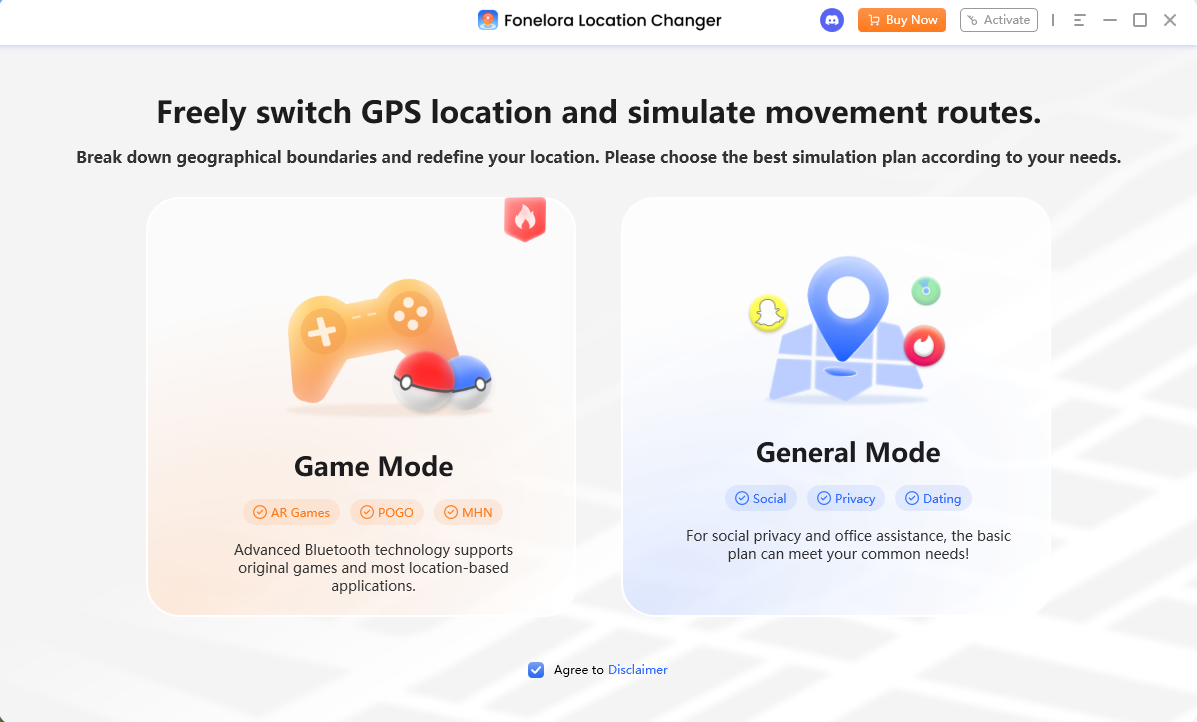
Step 1: Download and Setup Fonelora
Visit the official Fonelora platform page, download the software client, and install it on your Windows PC or Mac. Open the application once setup is complete.
Step 2: Access Teleport Mode
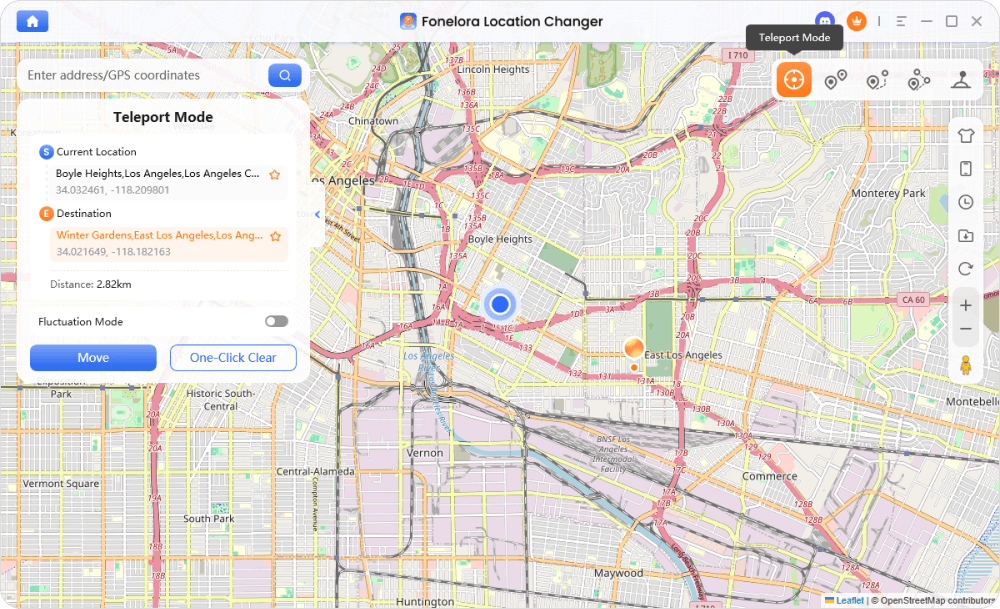
Once the software recognizes your hardware, an interactive global map interface will load on your computer screen. Look to the top-right toolbar panel and select Teleport Mode (the icon representing a direct point-to-point jump).
Step 3: Update Your GPS Position
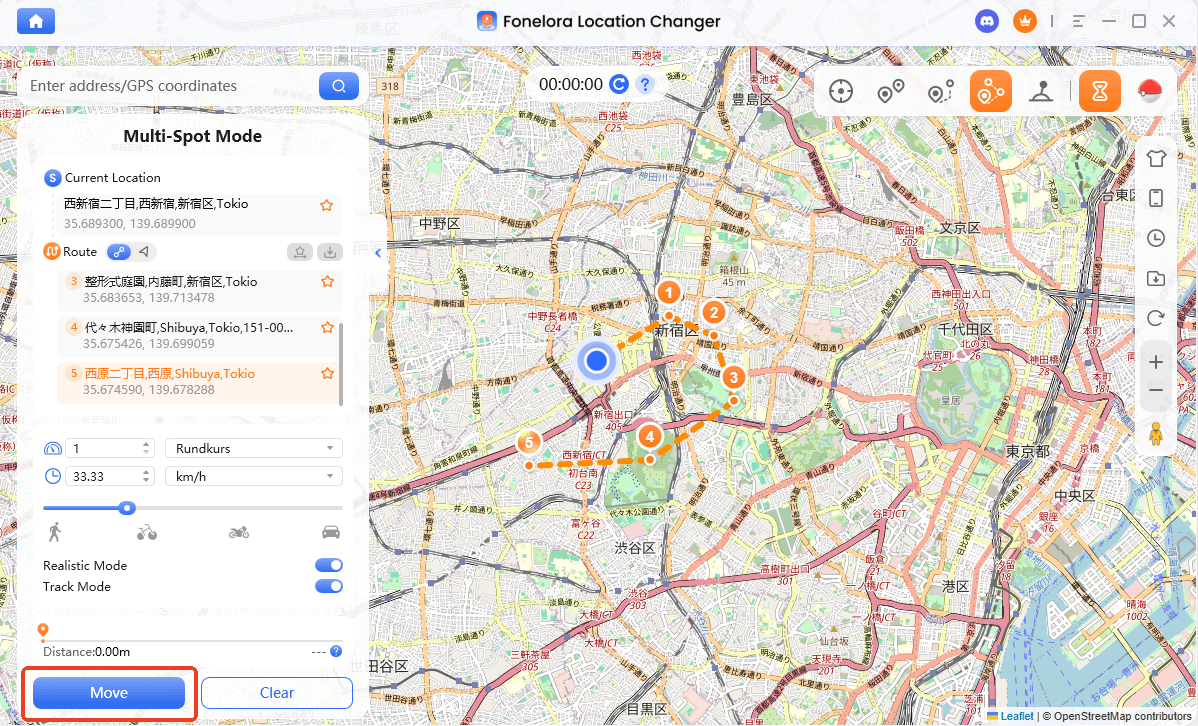
Click the “Move” button on the pop-up location interface. Your smartphone’s system-level GPS coordinates will instantly realign to the chosen location. Open the game app to find your avatar standing right next to the spawns, Gyms, and Raids needed to optimize your team.
Frequently Asked Questions About Pokémon Battle League Teams
To provide a quick-reference guide for players preparing pokemon battle league teams, we have compiled objective answers to the most common queries surrounding competitive software tools.
- What is a pokemon team builder?
- It is a digital application, such as PvPoke or Pokémon Showdown, that analyzes a roster of Pokémon. It mathematically calculates their combined offensive output, defensive vulnerabilities, and overall meta viability to ensure your team is structurally sound.
- How does a pokemon team builder help in battles?
- It provides a visual breakdown of your party’s integrity. By identifying fatal weaknesses to common meta threats before a match begins, it prevents you from entering battles at an immediate disadvantage.
- What is the best way to balance offense and defense in a team?
- The standard method is to pair high-damage attackers with sturdy defensive pivots. For example, if your primary attacker is weak to Fighting-type moves, you pair it with a bulky Ghost or Flying-type that resists those attacks.
Conclusion
If you frequently struggle to balance team weaknesses and strengths, relying on guesswork is no longer your only option. A dedicated Pokémon team builder acts as the ultimate solution for your competitive needs. By moving away from manual calculations and leaning into trusted community tools like PvPoke, Pokémon Showdown, and Fonelora Location Changer, you easily resolve the confusion about which Pokémon are actually viable in the current meta. Stop letting poorly optimized rosters dictate your win rate. Take control of your strategy today by loading your favorite simulator, inputting your core fighters, and discovering the exact adjustments required to dominate your next match.


Hot Topics
