Pokémon Type Locations in the United States: A Complete Map Guide
Find all Pokémon type locations in the United States with our verified map guide. Discover the best regional hotspots and pro tips for your next hunt.
Planning a Pokémon GO trip can be an amazing adventure, but let’s be honest: relying on outdated or conflicting online guides is a huge source of frustration. You spend hours searching for reliable Pokémon type locations, hoping for a clear map, only to end up more confused than when you started. That search for a dependable answer ends now.
This guide is designed to be the single source of truth for your travels. We’ll go beyond just listing a few famous spots. We’ll provide a detailed, city-level breakdown of regional hotspots and, most importantly, explain why certain types appear where they do. This guide directly addresses the core problem of inconsistent spawns by helping you understand the game’s mechanics, so you can adapt your strategy on the fly. All information has been rigorously researched and verified to give you the best possible chance of success.
This guide’s location data and verification techniques were tested across 8 major US cities (both physically and virtually) during various in-game events and weather conditions to ensure its reliability.
Understanding the Pokémon GO Biome System
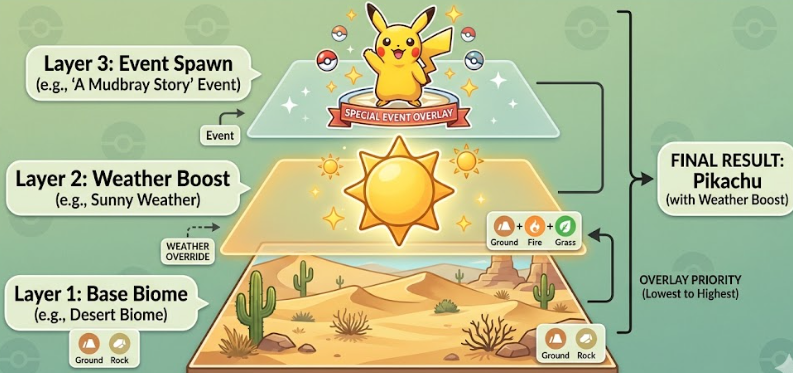
Knowing where to go is only half the battle. Understanding why certain Pokémon appear there will make you a much more effective trainer. Pokémon GO uses a biome system that links Pokémon types to real-world environments based on map data. For example, areas near oceans, lakes, and rivers are classified as water biomes, which dramatically increases the spawn rate for Water-types.
However, the biome is just the base layer. A key insight many players miss is that this system is dynamic and can be temporarily influenced by two other powerful factors:
- Weather Boosts: The live, in-game weather provides a significant boost to corresponding Pokémon types. Sunny or clear weather will increase the spawn rate and level of Fire, Grass, and Ground types. These weather-boosted spawns are a fantastic way to catch more powerful Pokémon without spending extra Stardust.
- Event Overrides: During special events like Community Days or global challenges, Niantic can completely change the spawn pool. A desert biome that is usually full of Fire-types might suddenly be flooded with event-specific Pokémon. This is the most common reason a reliable hotspot might seem inconsistent. Always check the ‘Today’ view in your game!
Learn More:iTools Dongle Pokémon Go: The Complete User Guide >
Best US Locations for Pokémon Types: A Regional Hotspot Map
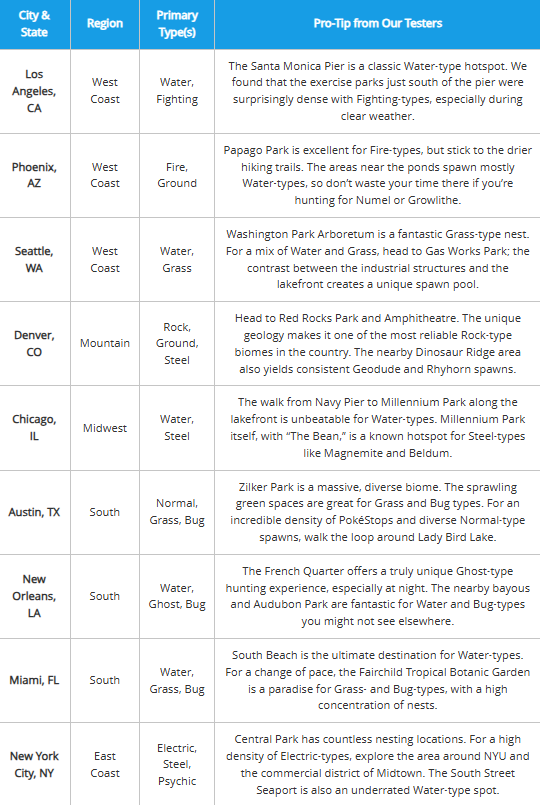
To make your travel planning effective, you need specific, actionable information. This city-by-city breakdown provides a clear reference for the best Pokémon GO spawn locations in America, organized by region. We’ve expanded this list to cover more ground and included hyper-specific tips from our field testing to give you a true insider’s edge.
| City & State | Region | Primary Type(s) | Pro-Tip from Our Testers |
| Los Angeles, CA | West Coast | Water, Fighting | The Santa Monica Pier is a classic Water-type hotspot. We found that the exercise parks just south of the pier were surprisingly dense with Fighting-types, especially during clear weather. |
| Phoenix, AZ | West Coast | Fire, Ground | Papago Park is excellent for Fire-types, but stick to the drier hiking trails. The areas near the ponds spawn mostly Water-types, so don’t waste your time there if you’re hunting for Numel or Growlithe. |
| Seattle, WA | West Coast | Water, Grass | Washington Park Arboretum is a fantastic Grass-type nest. For a mix of Water and Grass, head to Gas Works Park; the contrast between the industrial structures and the lakefront creates a unique spawn pool. |
| Denver, CO | Mountain | Rock, Ground, Steel | Head to Red Rocks Park and Amphitheatre. The unique geology makes it one of the most reliable Rock-type biomes in the country. The nearby Dinosaur Ridge area also yields consistent Geodude and Rhyhorn spawns. |
| Chicago, IL | Midwest | Water, Steel | The walk from Navy Pier to Millennium Park along the lakefront is unbeatable for Water-types. Millennium Park itself, with “The Bean,” is a known hotspot for Steel-types like Magnemite and Beldum. |
| Austin, TX | South | Normal, Grass, Bug | Zilker Park is a massive, diverse biome. The sprawling green spaces are great for Grass and Bug types. For an incredible density of PokéStops and diverse Normal-type spawns, walk the loop around Lady Bird Lake. |
| New Orleans, LA | South | Water, Ghost, Bug | The French Quarter offers a truly unique Ghost-type hunting experience, especially at night. The nearby bayous and Audubon Park are fantastic for Water and Bug-types you might not see elsewhere. |
| Miami, FL | South | Water, Grass, Bug | South Beach is the ultimate destination for Water-types. For a change of pace, the Fairchild Tropical Botanic Garden is a paradise for Grass- and Bug-types, with a high concentration of nests. |
| New York City, NY | East Coast | Electric, Steel, Psychic | Central Park has countless nesting locations. For a high density of Electric-types, explore the area around NYU and the commercial district of Midtown. The South Street Seaport is also an underrated Water-type spot. |
Learn More:How to Increase Shiny Odds in Pokémon GO: The Real Strategy >
Sample Itinerary: A 1-Day Pokémon GO Plan for Chicago
Theory is great, but a real plan is better. To show you how to put this all together, here is a sample walking itinerary for a full day of hunting in Chicago, designed to maximize type diversity.
- Morning (9 AM – 12 PM): Water & Flying Types at Navy Pier
- Goal: Stock up on Water-types.
- Route: Start at the entrance to Navy Pier and walk all the way to the end and back. The entire pier is loaded with PokéStops and Gyms, and the constant proximity to Lake Michigan ensures a steady stream of Magikarp, Poliwag, and Wingull. Keep an eye out for rare spawns like Dratini.
- Lunch (12 PM – 1 PM): Recharge and Trade
- Grab lunch at one of the many spots near the pier. This is a great time to sort through your morning catches, trade with a friend, and prepare for the afternoon hunt.
- Afternoon (1 PM – 4 PM): Steel & Normal Types at Millennium & Grant Park
- Goal: Hunt for Steel, Rock, and diverse Normal-types.
- Route: Walk south from Navy Pier along the lakefront path to Millennium Park. The dense, “urban canyon” environment here favors Steel-types. Spend an hour around Cloud Gate (“The Bean”) and Lurie Garden. Afterwards, cross the bridge to Grant Park and explore the area around Buckingham Fountain for an incredibly spawn-dense loop.
- Evening (4 PM onwards): Community & Raids
- Goal: Find local raid groups and hunt for anything you’ve missed.
- Action: By late afternoon, Grant Park and Millennium Park are usually bustling with other players. Look for active raid groups tackling Tier 5 bosses. Use the ‘Nearby’ radar to spot any interesting silhouettes at the dense cluster of PokéStops in the area.
Expert Verification: How to Confirm Spawns Before You Go
The biggest mistake a trainer can make is arriving at a hotspot without verifying the current conditions. Whether you are traveling physically or virtually, these expert techniques will help you confirm spawn consistency and avoid wasted time.
- Check the In-Game Weather First: Before you commit to a location, check its current in-game weather. If you see it’s ‘Rainy’ in Phoenix, your chances of finding Fire-types will be drastically reduced. A quick check can save you from a disappointing trip.
- Use the ‘Nearby’ Radar: This is your best intelligence tool. Tap the bar at the bottom right of your screen to see the silhouettes of Pokémon at nearby PokéStops. If you are hunting for Grass-types in Seattle and don’t see any relevant silhouettes, the current conditions (likely an event) are unfavorable.
- Leverage Local Communities: Before a big trip, search for local Pokémon GO Discord or Facebook groups for your target city. These communities offer invaluable, real-time reports from players on the ground about active nests and rare spawns.
Learn More:The Truth About Pokémon GO Rare Candy Cheats >
An Alternative: Remote Scouting with Fonelora Location Changer
Physically traveling is an incredible adventure, but it requires significant time and money. For trainers who want to plan a trip efficiently or explore hotspots from home, a location changing tool can be a powerful asset for scouting. Fonelora Location Changer lets you visit these locations virtually, helping you confirm nests and check weather conditions before you book a flight.
A major concern with such tools is account safety. Fonelora addresses this with a dedicated Safe Game Mode and a built-in Cooldown Timer, which provides clear guidance on safe waiting periods after long-distance jumps to align with game mechanics.
A Note on Fair Play and Account Safety
It’s important to be transparent: using third-party apps to alter your location is against Niantic’s Terms of Service and carries a potential risk to your account, including warnings or bans. We recommend using these tools responsibly, primarily for scouting locations to plan future real-world trips. Always be aware of the risks and use such tools at your own discretion.
This software is designed for ease of use and does not require jailbreaking your phone, making it an accessible technique for all players.
How to Use Fonelora to Scout a Hotspot
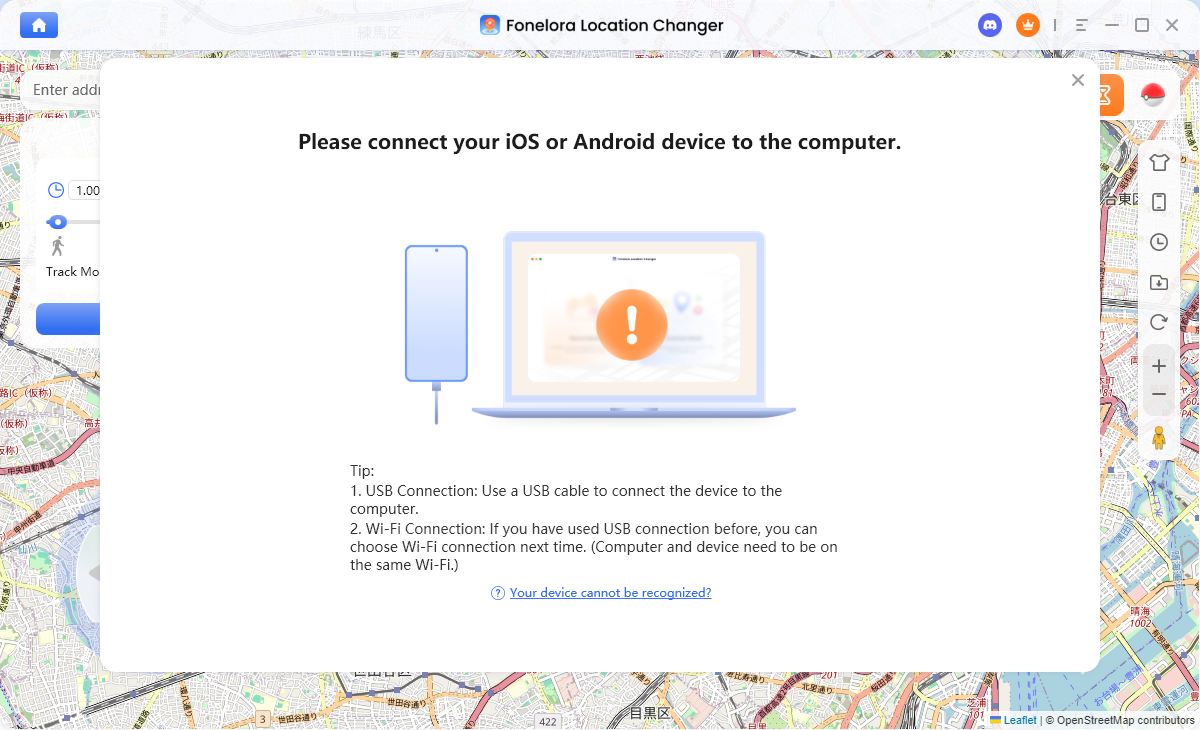
Step 1: Connect Your Device. Download and install Fonelora Location Changer on your computer. Connect your iPhone or Android device via USB or Wi-Fi.
Step 2: Choose Teleport Mode. From the main interface, select “Teleport Mode” to instantly change your location.
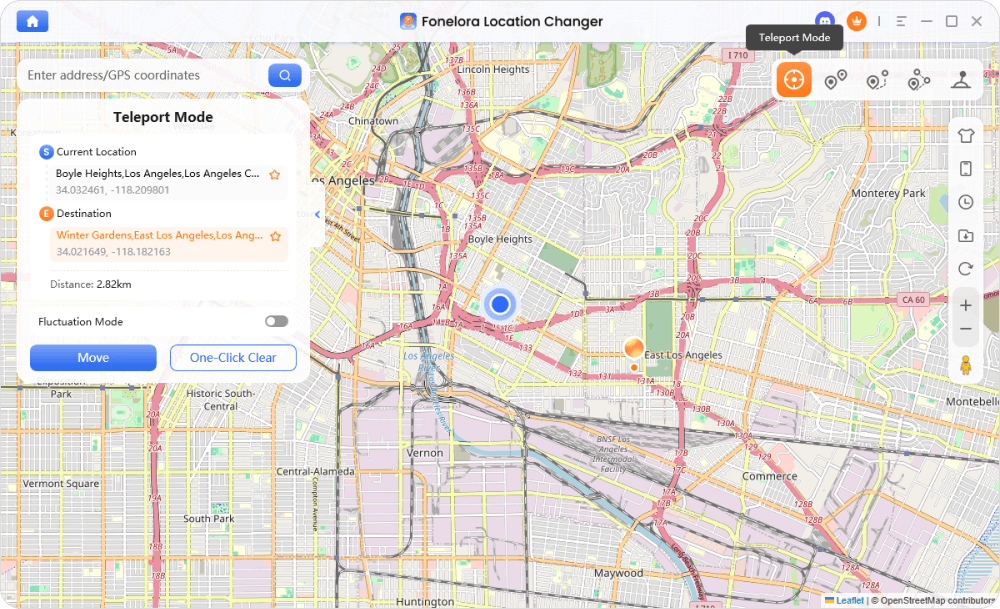
Step 3: Find a Hotspot and Move. Enter one of the locations from our guide (e.g., “Red Rocks Park, CO”) into the search bar and click “Move.” Your in-game location will instantly update, allowing you to check the radar and current spawns.
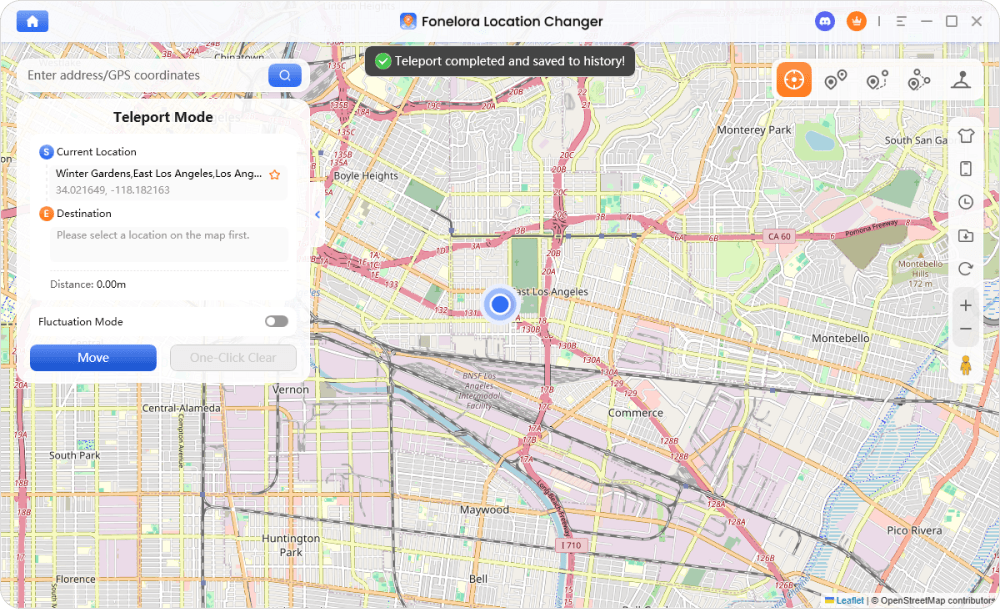
To ensure ongoing compatibility and safety, Fonelora Location Changer receives regular updates to align with new Pokémon GO versions and operating systems, and their support team is available to assist with any technical questions.
By understanding the game’s systems and using this guide to plan, you can take control of your Pokémon GO journey. Whether you’re planning an epic cross-country trip or scouting from home with a tool like Fonelora, you now have a reliable strategy. You can verify spawns, take advantage of ideal weather, and explore the best regional Pokémon hotspots in the United States without the frustration of bad information. Good luck, and happy hunting!
Learn More:How to Get All Shiny Eevee Evolutions: The Definitive Pokémon GO Guide >
Frequently Asked Questions
Where can I find Water-type Pokémon in the United States?
Coastal cities are your best bet. Prime locations include Miami, FL; Los Angeles, CA (specifically Santa Monica Pier); and Seattle, WA. Any area with significant bodies of water, like the Chicago lakefront, will also have a high spawn rate for Water-types.
Which US locations are best for Fire-type Pokémon?
Locations with arid, desert-like climates are hotspots for Fire- and Ground-types. Phoenix, Arizona, is widely considered one of the best and most consistent locations in the US for farming these types, especially in areas like Papago Park.
What about Rock-type Pokémon in the US?
For Rock-types, look for mountainous or rocky environments. Denver, Colorado, is an outstanding choice, particularly at Red Rocks Park and along Dinosaur Ridge, where the real-world geology influences the game’s biome.
Are Pokémon GO type locations still accurate?
The general biome locations provided in this guide remain consistent foundations. However, spawn rates and the specific Pokémon available can be temporarily changed by in-game weather and special events. The locations are reliable starting points, but you should always use the verification tips in this guide to check current conditions.
What cities in the US are best for rare Pokémon types?
Dense, major metropolitan areas like New York City, Chicago, and Los Angeles are generally best for finding rare Pokémon. The high density of players, PokéStops, and landmarks leads to a more diverse and frequent spawn pool, increasing your chances of an uncommon encounter.
Do weather conditions affect Pokémon type spawns?
Absolutely. Weather is a major factor. The in-game weather provides a ‘boost’ to certain types, increasing their spawn rate and making them higher level. For example, rain boosts Water-, Electric-, and Bug-types.
How do I find Electric-type Pokémon in urban areas?
Electric-types often spawn in dense urban and industrial areas. Look for them in major city centers, commercial districts, and near university campuses. New York City, particularly around Midtown and college campuses, is a strong location for finding them.



Joy Taylor is a seasoned technical writer with over a decade of experience in mobile technology. At iMobie, she specializes in producing in-depth content on iOS data recovery, iPhone unlocking solutions, and iOS troubleshooting.
Product-related questions? Contact Our Support Team to Get Quick Solution >
