How to Find Your Old Phone Number on iPhone or Android
Forgot a phone number you used years ago? Check old carrier bills, account profiles, emails, phones, family contacts, Google Contacts, and other records. Also learn what an old SIM can and cannot tell you.
Forgot a phone number you used years ago? Maybe an old bank account, email account, social profile, or verification screen is asking for a number that you no longer remember. In most cases, the fastest way to find it is not phone-data recovery software. Start with records created while that mobile line was still active.
Your old carrier bills, account profiles, emails, shopping receipts, old phones, and other people’s contact lists can all preserve the number long after you stop using it. If what you actually lost is a saved contact’s phone number, rather than your own former mobile number, the recovery process is different.
Quick answer: Start with your old mobile-carrier account or bill. Then check the old phone itself, email and shopping accounts, bank or membership profiles, and friends or family who may still have the number saved. An old SIM card alone does not guarantee that your former phone number can be read from it.
How to Find Your Own Old Phone Number
If you are trying to remember a mobile number that once belonged to you, check records from the period when that number was active. Start with the sources most likely to show the entire number rather than only the last two or four digits.
| Place to Check | Chance of Showing the Full Number | Best When |
| Old carrier bills or account | High | You remember which mobile carrier you used |
| Old phone | High if the old line/account information is still present | You still own the device |
| Emails and receipts | Medium to high | You used the number for orders, accounts, signatures, or support |
| Shopping/account profiles | Medium | You saved shipping or contact details before changing number |
| Friends and family | High | Someone still has your old contact card |
| Bank or membership profile | Medium | The organization still preserves your historical contact details |
| Old SIM | Low by itself | You need clues about the old carrier or SIM identity |
1. Check Old Mobile Carrier Bills and Accounts
This should usually be your first stop. Old paper bills, PDF statements, account emails, payment confirmations, or archived carrier accounts may display the mobile number associated with the service.
Search your email for:
- the name of your previous carrier;
- “wireless bill” or “mobile bill”;
- “monthly statement”;
- “account number”;
- “phone number” or “mobile number.”
If you can still access the old carrier account, look at previous lines, billing statements, device history, or account documents.
If the online account no longer shows historical lines, contact the carrier and ask whether it can provide old account or billing information after verifying your identity. How much historical information remains available depends on the carrier and account.
2. Turn On Your Old iPhone or Android Phone
If you still have the phone you used with the old number, inspect it before resetting or erasing anything.
On an old iPhone, you can check areas such as:
- Settings > Phone, where a line number may be shown depending on the iOS version and carrier setup;
- Settings > General > About;
- your contact card in Contacts;
- old Messages conversations;
- old account or carrier apps that remain signed in.
Apple also allows a connected iPhone’s phone number and identifiers to be viewed in Finder, Apple Devices, or iTunes in supported situations.
On an Android phone, check:
- Settings > About phone;
- SIM status or phone-status information;
- your own profile in Contacts;
- the old carrier app;
- Messages, WhatsApp, or other conversations where someone may have referred to your number.

An old phone can still contain account, contact, message, or carrier information linked to your previous number.
The number shown in device settings is not guaranteed to be your historical number after the SIM, eSIM, carrier account, or phone configuration has changed.
3. Search Old Emails
Search all email accounts you used while the old number was active. Do not limit the search to a particular number of years; email retention depends on whether the messages still exist in your account.
Useful search terms include:
- your old carrier name;
- “my phone number”;
- “mobile number”;
- “contact number”;
- “verification code”;
- “shipping address”;
- your old address or employer.
Look especially at old email signatures, support conversations, job applications, invoices, account confirmations, and orders.
4. Check Shopping and Delivery Accounts
Amazon, eBay, food-delivery services, travel sites, pharmacies, stores, and other accounts may preserve older shipping addresses or contact details.
Open the account’s saved addresses or order history and look at orders from the period when you used the number.
Do not assume the current profile will still show it; many services overwrite the current phone field while old invoices or order records preserve earlier information.
5. Ask Friends, Family, and Former Coworkers
This is one of the most reliable methods. Someone who knew you at the time may still have your old contact entry saved.
Ask them to search:
- their Contacts app;
- old text-message threads;
- WhatsApp or other messaging conversations;
- old address books;
- shared work directories or contact lists.
If they have multiple numbers saved under your name, dates or old message threads can help identify which one was yours during the relevant period.
6. Check Bank, Credit Card, Insurance, or Membership Profiles
If you used the old number for an account, the organization may still preserve it in an old statement, archived profile, application, or contact history.
Examples include:
- bank and credit-card accounts;
- insurance accounts;
- gym or club memberships;
- utilities;
- school or university records;
- employment records.
For security-sensitive accounts, use the organization’s official site or support channel rather than sharing personal information with an unknown third party.
7. Look at Old Documents and Forms
Old résumés, invoices, contracts, applications, rental agreements, business cards, tax-related paperwork, or scanned forms may include a telephone number you supplied at the time.
This is more useful than assuming every tax record or credit report automatically contains your old phone number. Whether a particular record includes one varies.
8. Check Account Recovery Screens Carefully
A service that still has your old number may display a masked version such as:
••• ••• 1234
This will not reveal the full number, but the last digits can help confirm whether another number you find in a bill, old contact, or family member’s phone is the correct one.
Do not keep guessing verification numbers or repeatedly attempting account recovery. If the account belongs to you but you no longer control the old number, use the service’s official account-recovery process.
Can You Find an Old Number from an Old Phone or SIM?
An old phone can be very useful. An old SIM card is less certain.
What the SIM Card Number Actually Means
The long number printed on a physical SIM card is normally an ICCID, which identifies the SIM itself. It is not the same as the mobile phone number assigned to the line.
The phone number is generally associated with the subscriber service provided by the carrier. Some devices or SIM records may expose a stored line number, but you should not assume that inserting an old SIM or reading the number printed on it will reveal your former telephone number.
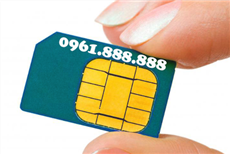
An old SIM may help identify the old carrier or SIM record, but the ICCID printed on the card is not your phone number.
What Should You Do with an Old SIM?
If you still have it:
- note the carrier branding;
- keep the SIM and its packaging together;
- check whether the carrier can identify an old account after verifying ownership;
- if the SIM still works, inspect the phone’s SIM-status information;
- check whether any contacts were actually saved on the SIM.
Do not repeatedly enter a SIM PIN if you do not know it. Too many incorrect attempts can require a PUK code from the carrier.
How to Find an Old Number Saved in Contacts
If by “old phone number” you actually mean a phone number that used to be saved in your contacts, use contact-recovery methods instead.
Check Google Contacts
If your Android contacts were synchronized with Google, sign in to Google Contacts with the Google Account used on the old phone.
Check:
- Contacts;
- Trash;
- Other contacts;
- the history of a contact that was edited.
Google currently keeps deleted contacts in Trash for 30 days. It also allows you to undo contact changes made during the previous 30 days. If a contact was permanently deleted from Trash, Google says it cannot be recovered through that Trash feature.
Google Contacts recovery helps when a person’s saved contact entry was deleted or edited. It does not automatically reveal a former mobile number that was never saved to your Google contacts.
Check iCloud Contacts on iPhone
If your contacts were synchronized with iCloud, sign in to the Apple Account that was used at the time and check whether the contact still exists.
Also review old iPhone backups or archived contact data if you know that the missing number was previously saved as a contact.
Search Messages Before Trying Data Recovery
If the contact itself is gone, an old text-message, email, or messaging-app conversation may still contain the phone number even when the address-book entry no longer exists.
This is often easier than trying to recover the entire contact database.
Can DroidKit Recover an Old Phone Number?
Only in the right scenario.
DroidKit Android Data Recovery currently supports Android Contacts containing phone numbers, email addresses, and addresses. It can also scan contacts stored on supported SIM cards.
However, DroidKit cannot identify a historical mobile line simply because that line once belonged to you. The number must have existed somewhere that can still be scanned or extracted—for example:
- as a contact record on the Android device;
- as contact data on a SIM card;
- inside an available Google Account data source;
- in other device data that still contains the number.
DroidKit – Recover Contact Records from Android
- Supports Contacts containing numbers, email addresses, and addresses.
- Provides different recovery and extraction modes depending on the data source.
- Can preview available data before recovery.
- Deep Recovery requires rooting the Android device.
- Use data recovery only when the old number was actually stored as recoverable data.
Use Quick Recovery First for Existing Contact Data
If the old Android phone still works and the contact information may still exist on it, start with the less invasive scan before considering Deep Recovery.
Step 1. Launch DroidKit and choose the Android data-recovery area.
Step 2. Choose a recovery mode appropriate for your situation.
Step 3. Select Contacts as the data category.
Step 4. Connect the Android phone and allow the required device permissions.
Step 5. Preview the contact data DroidKit can find and check whether the number you need appears.
Step 6. Export the relevant contact information when available.
Do not root an old Android phone solely because you forgot your former carrier number. Deep Recovery requires root and is intended for deeper device-data recovery. Check carrier records, old accounts, emails, phones and existing backups first.
What About Recovering Contacts from the SIM?
DroidKit also provides a SIM Card extraction mode for contacts stored on a compatible Android SIM. This can be useful if a contact entry containing the number was actually saved to the SIM.
Again, this is different from reading the SIM’s ICCID and treating it as your former mobile number.
FAQs About Finding Old Phone Numbers
1. How can I find an old phone number I used years ago?
Start with old carrier bills or your old carrier account. Then search old phones, emails, order receipts, account profiles, friends’ contacts, membership records and other documents created while the number was active.
2. Can my old carrier tell me my previous phone number?
Possibly. The carrier may still have historical account or billing records, but availability and retention vary. Contact the original carrier through its official support channel and be prepared to verify your identity.
3. Is my old phone number printed on the SIM card?
Usually, the long identifier printed on the SIM is an ICCID that identifies the SIM card, not the mobile phone number itself. An old SIM may still provide useful carrier or account clues, but it does not guarantee that the previous phone number can be read from the card.
4. Can I find my old phone number on my old iPhone?
Possibly. Check the old phone’s settings, your personal contact card, carrier information and old messages. If the SIM or account configuration has changed, the number shown by the phone may no longer reflect the historical line you are trying to find.
5. Can I find my old number through Google?
Google Contacts can help if the number was saved in a contact, and Google Account settings may contain phone information associated with the account. However, Google does not automatically provide a complete history of every mobile number you have ever used.
6. How long can Google recover deleted contacts?
Google currently keeps deleted contacts in Trash for 30 days and allows contact changes from the previous 30 days to be undone. Contacts permanently deleted from Trash cannot be restored through that feature.
7. Can a credit report show an old phone number?
Some financial or identity records may contain previous contact information, but a phone number should not be assumed to appear on every credit report. Check your own official records rather than using a third-party people-search site solely for this purpose.
8. Can DroidKit tell me what my old mobile number was?
Only if the number still exists in data DroidKit can access, such as a contact record, SIM contact, or another supported data source. It cannot derive an unknown former carrier-assigned number from the Android hardware itself.
9. What if I need the old number only to verify an account?
Use the account provider’s official recovery process. A masked number on the verification screen may help confirm the last digits, but do not keep guessing the full number or attempt to regain control of a number now assigned to someone else.
The Bottom Line
If you forgot a phone number that once belonged to you, treat it as a records search first. Old carrier bills, account documents, previous phones, emails and people who knew you at the time are much more likely to identify the line than a generic phone-data scan.
If the missing number was actually a saved contact that disappeared from an Android phone, then Google Contacts, backups or an Android contact-recovery tool become relevant. Keeping these two scenarios separate makes it much easier to choose the right method—and avoids rooting or scanning a phone when the answer may already be sitting in an old bill.


Roger Smith is a senior technical writer with years of experience in providing Android solutions. He loves to help users solve various problems such as Android unlock, Android data recovery, and Android system repair.
Product-related questions? Contact Our Support Team to Get Quick Solution >
