Top 8 Android Flashing Software (2025)
There is nothing more unpleasant than having your phone suddenly freeze and can’t turn on. At this time, you need to know the fastest way to fix your phone and get it back to normal. One of these methods is to flash your phone. This article provides you with details of 8 Android flash tools. Read on to find out which software can help you!
iMobie DroidKit – Android System Reinstall Tool

Android flashing tools are often used when a phone needs a firmware reinstall, system restoration, upgrade, or other low-level software work. However, there is no single flash tool that is best for every Android phone. The right option depends on your device brand or chipset, the firmware you need to install, your computer, and how comfortable you are with manual flashing.
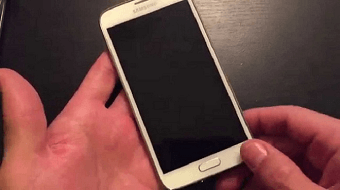
Android System Problem
You may look for Android flashing software when:
- Your phone freezes, crashes, or gets stuck during startup.
- Your device cannot boot normally after an update.
- You need to reinstall or restore stock firmware.
- You want to update or change the Android system on a supported device.
Quick answer:
For a supported Google device, Google’s official Android Flash Tool may be appropriate. Samsung users commonly encounter Odin-based workflows, while SP Flash Tool is intended for MediaTek-based devices. If your goal is a guided Android system reinstall rather than manual firmware flashing, a tool such as DroidKit may be easier to use on supported devices. Always verify the exact device model, firmware package, and data-loss risk before flashing.
What Is Android Flash Tool?
In this guide, the term Android flash tool is used broadly for software that can install, reinstall, restore, or modify Android firmware. Depending on the tool, this may involve flashing a system image, restoring stock ROM, repairing system files, or guiding you through a firmware reinstall.
Do not confuse this broad term with Android Flash Tool, the specific browser-based flashing utility provided by Google. Google’s Android Flash Tool is designed for supported devices and Android builds and works through a compatible WebUSB browser. It is not a universal flashing tool for every Android phone.
Because flashing methods differ by device, you should choose software based on compatibility and purpose rather than assuming that one tool works with all Android phones.
How to Choose the Best Android Flashing Software?
Before downloading an Android flashing tool for PC or Mac, compare the options using criteria that directly affect whether the flashing process can work on your device:
- Device and chipset support: Check the exact phone model, brand, chipset, and Android version supported by the tool.
- Flashing purpose: Decide whether you need stock firmware restoration, a system reinstall, an upgrade, recovery flashing, rooting, or another task.
- Firmware requirements: Some tools require you to find the correct ROM, scatter file, or firmware package manually, while others can match firmware for supported devices.
- Computer compatibility: Confirm whether the software supports your Windows or macOS version and whether USB drivers are required.
- Skill level: Manual flashing tools may require Download Mode, Fastboot, scatter files, or other device-specific steps. Guided tools are usually easier for non-technical users.
- Data-loss and boot risk: Firmware flashing can erase data or prevent the phone from booting if the wrong firmware, partition, or flashing mode is used.
- Source reliability: Prefer official documentation and verified download sources whenever possible. Be cautious with old installers and third-party mirrors.
Before you choose: Back up important data when possible and confirm your exact model number. Do not assume that a tool described as “Android flashing software” supports every Android device.
Quick Comparison of the 8 Android Flash Tools
| Tool | Best For | Device Scope | Skill Level | Manual Firmware Needed? |
|---|---|---|---|---|
| DroidKit | Guided system reinstall on supported devices | Feature-dependent; System Reinstall focuses on supported Samsung devices | Beginner | Usually no manual ROM search |
| System Repair for Android | Basic Android error checking/repair | Depends on app support | Beginner | No for basic repair features |
| Android Repair Master | Basic system checking/repair | Depends on app support | Beginner | No for basic repair features |
| SP Flash Tool | Manual firmware flashing | MediaTek-based devices | Advanced | Yes, typically requires compatible firmware/scatter file |
| Odin | Samsung firmware workflows | Samsung Galaxy devices | Intermediate | Yes |
| Flashing Utility | Legacy/device-specific flashing tasks | Limited/device-specific | Intermediate | Depends on device |
| Kingo Root | Root-related tasks rather than full firmware flashing | Supported Android devices | Intermediate | Not primarily a firmware flasher |
| Cyber Flashing | Legacy automated flashing workflows | Check device and OS support first | Intermediate | Depends on device |
Best 8 Android Flash Tools
Top 1: iMobie DroidKit – Android Phone Toolkit (Recommend)
iMobie DroidKit – Android Phone Toolkit is a multi-purpose Android toolkit. For users interested in flashing or reinstalling Android, its relevant feature is System Reinstall, which can match an official ROM according to supported device information and guide users through the reinstall process.
Best for: Users who prefer a guided reinstall workflow and do not want to manually search for firmware or use command-line flashing tools.
Compatibility note: DroidKit features have different compatibility ranges. According to iMobie’s current DroidKit FAQ, the System Reinstall function supports Samsung devices running Android 5 and above. Check the latest compatibility information for your exact device before downloading.
Main Features of System Reinstall:
- Matches an official ROM for supported devices based on device information.
- Provides a guided firmware download and reinstall process.
- No root is required for the System Reinstall workflow.
- Designed to reduce the manual steps involved in firmware matching and flashing.
- DroidKit also includes separate tools for system repair, screen unlocking, FRP-related tasks, and data recovery; compatibility varies by feature.
Pros:
- Guided interface suitable for less technical users.
- Reduces the need to search for firmware manually on supported devices.
- Available for Windows and macOS.
- Combines several Android maintenance functions in one toolkit.
Cons:
- System Reinstall compatibility is not universal across all Android brands and models.
- Free-version limits may apply to completing some operations.
Here are the steps to reinstall Android OS using PC:
Step 1. Get iMobie DroidKit installed and launched > Choose System Reinstall mode.
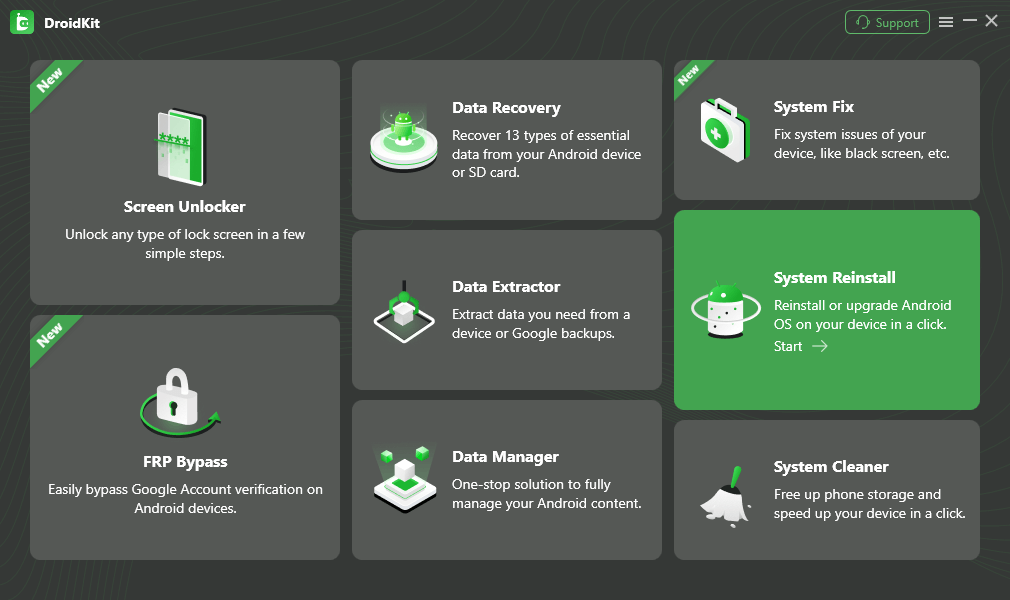
Choose System Reinstall Function
Step 2. Click Start > Follow the prompts to select and download an available firmware version for your device, then continue with the upgrade/reinstall process.
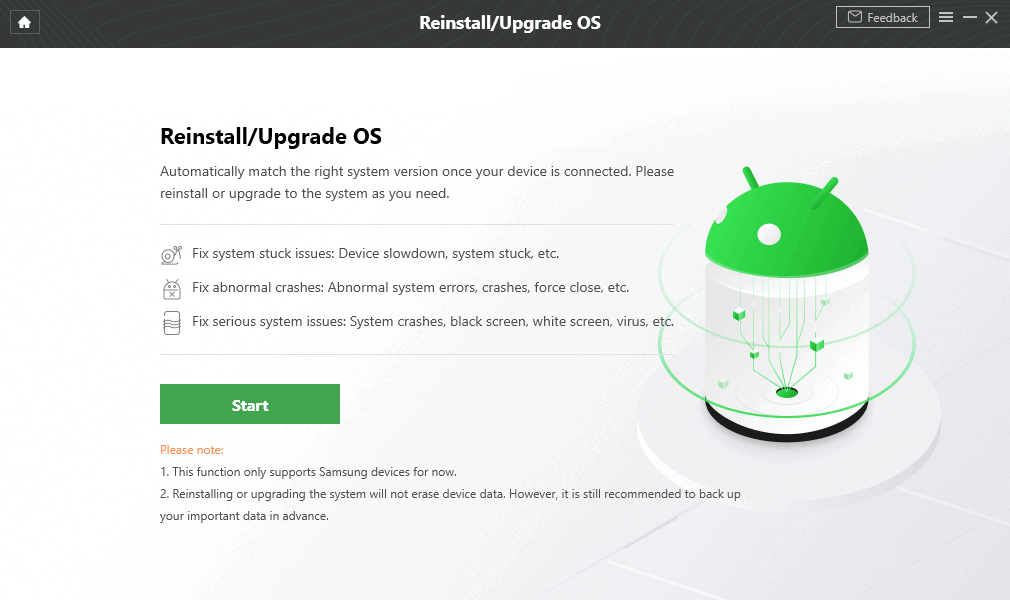
System Reinstall
Step 3. Follow the on-screen instructions to place the phone in the required mode. Keep the device connected until DroidKit shows that the reinstall process is complete.
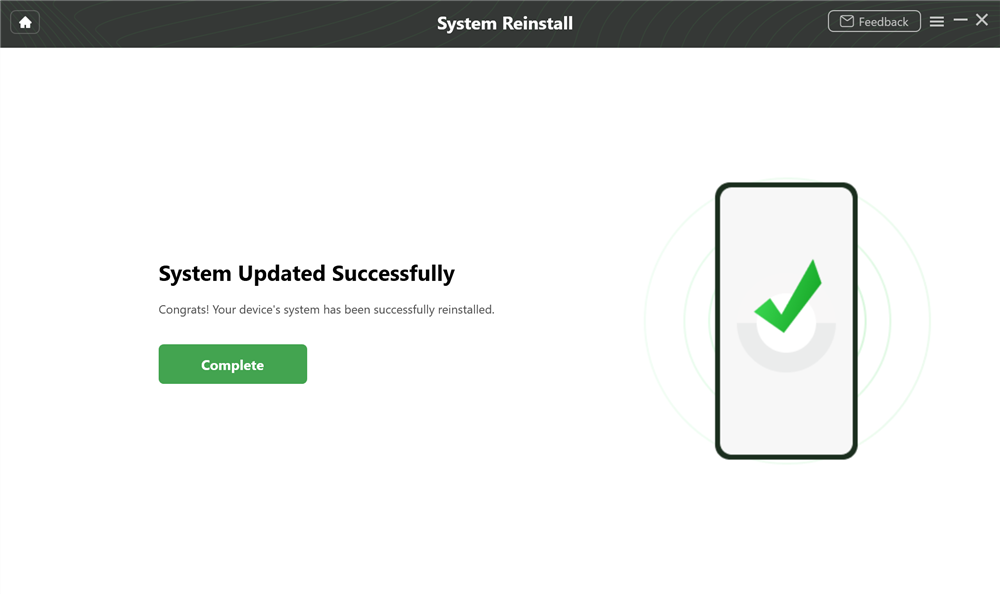
System Updated Successfully
Back up important data when possible before reinstalling firmware. Do not disconnect the device during a firmware-writing process.
Get DroidKit * Check device compatibility first
Top 2: System Repair for Android
System Repair for Android is better described as a mobile system-checking and repair utility than as a traditional firmware flashing tool. It may be useful for users looking for basic Android error checks, but it should not be treated as a universal replacement for device-specific firmware tools.
Pros:
- Simple mobile interface.
- Designed for basic Android error checking and repair.
- Does not require a desktop flashing workflow for basic features.
Cons:
- May include advertising depending on the version/source.
- Not designed for the same low-level firmware tasks as SP Flash Tool, Odin, Fastboot, or Google’s Android Flash Tool.
- Device support and app availability should be verified before relying on it.
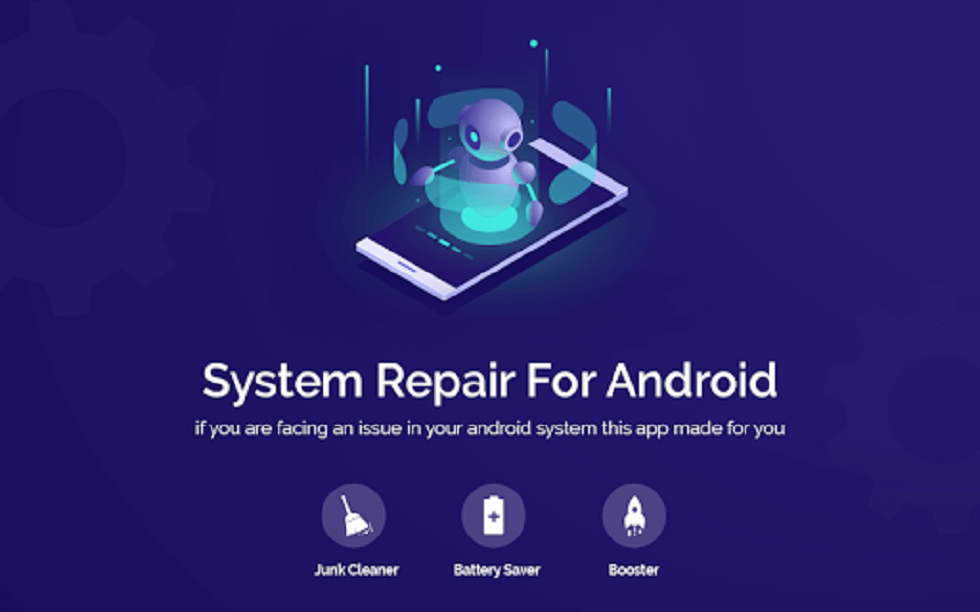
System Repair for Android
Top 3: Android Repair Master
Android Repair Master is another Android system-checking utility. It is more relevant to basic error detection and repair than to full stock-ROM flashing. If your goal is to replace or restore firmware, choose a device-specific flashing solution instead.
Pros:
- Simple operation for basic checks.
- Focuses on detecting and repairing common system errors.
- Suitable for users who do not need a manual firmware workflow.
Cons:
- Not a full-featured firmware flashing tool.
- Availability and compatibility may vary.
- Does not replace device-specific tools when you need to flash a complete firmware package.
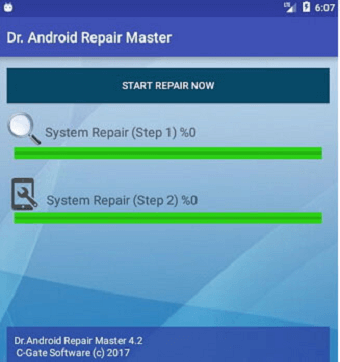
Android Repair Master
Top 4: Smartphone Flash Tool
Smartphone Flash Tool (SP Flash Tool) is mainly used for firmware operations on MediaTek (MTK)-based Android devices. A typical workflow requires a compatible firmware package and scatter file for the exact device.
Best for: Experienced users working with compatible MediaTek devices and model-specific firmware.
Pros:
- Designed for MediaTek firmware flashing workflows.
- Supports stock firmware and recovery-related operations on compatible devices.
- Useful for advanced repair situations when the correct firmware files are available.
Cons:
- Not a universal tool for all Android chipsets.
- Requires careful firmware and scatter-file matching.
- An incorrect package, partition choice, or flashing mode can cause data loss or boot problems.
Important: Do not assume flashing is data-loss-free. Back up your data when possible and verify the firmware package before starting.
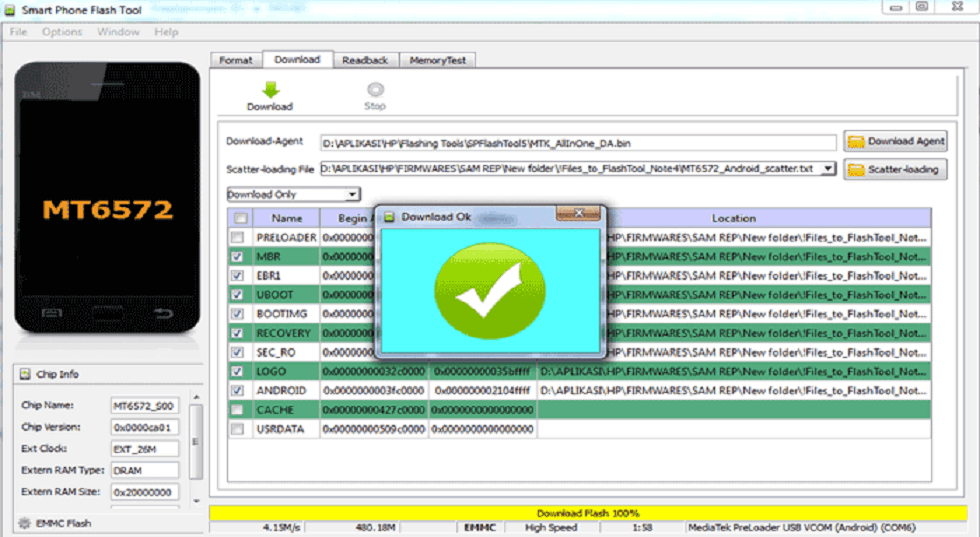
Smartphone Flash Tool
Top 5: Odin Flashing Tool
Odin is widely used in Samsung firmware workflows. It is intended for Samsung Galaxy devices rather than Android phones in general, and users typically need the correct Samsung firmware package and USB connection setup.
Best for: Samsung users who understand Download Mode and model-specific firmware packages.
Pros:
- Commonly used for Samsung firmware installation and restoration.
- Supports Samsung Download Mode workflows.
- Useful for advanced Samsung firmware maintenance.
Cons:
- Samsung-specific rather than universal.
- Firmware must match the exact model/region requirements.
- Incorrect firmware or settings can cause data loss or boot problems.
Source note: Be careful with third-party Odin download sites. Verify the file source and version before running any executable.
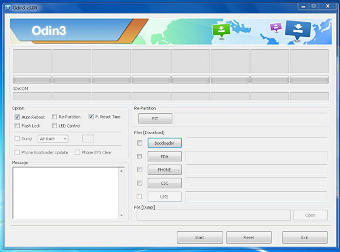
Odin Flashing Tool
Top 6: Flashing Utility
Flashing Utility is a legacy flashing utility listed by third-party software directories. Because its device scope and maintenance status are less clear than mainstream device-specific tools, verify compatibility and download provenance before using it on a current Android phone.
Pros:
- Provides firmware/package-related flashing functions for compatible hardware.
- May be useful for specific legacy workflows.
Cons:
- Not a universal Android flashing solution.
- Compatibility with modern devices may be limited.
- Third-party download/source verification is important.
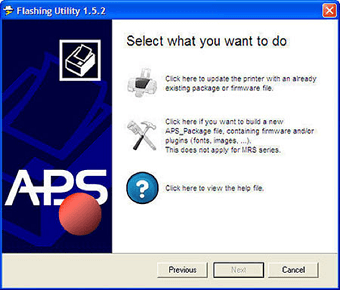
Flashing Utility
Top 7: Kingo Root
Kingo Root is primarily a rooting utility, not a general stock-firmware flashing tool. It belongs in this comparison only for users whose intended Android modification involves root access rather than reinstalling a complete firmware image.
Best for: Users specifically researching rooting on a supported device, not users who simply need to restore stock Android firmware.
Pros:
- Focuses on Android rooting workflows.
- Can be easier than fully manual root procedures on supported devices.
Cons:
- Rooting is different from flashing stock firmware.
- Root access can affect device security, support, app compatibility, or warranty conditions.
- Compatibility varies significantly by device and Android version.
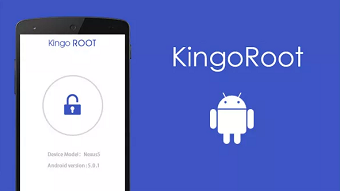
Kingo Root
Top 8: Cyber Flashing
Cyber Flashing is another older flashing utility distributed through third-party software listings. Treat it as a legacy option and confirm current Windows support, device compatibility, and installer source before using it.
Pros:
- Designed around automated flashing workflows.
- May include tutorial-oriented guidance for supported use cases.
Cons:
- Maintenance and modern-device compatibility may be limited.
- Download provenance should be checked carefully.
- Not recommended as a universal first choice for current Android devices.
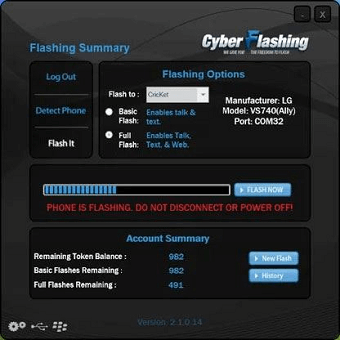
Cyber Flashing
The Bottom Line
The best Android flash tool depends on what phone you have and what you need to do. There is no truly universal flashing program for every Android phone.
- For supported Google devices: consider Google’s official Android Flash Tool when the required build and device are supported.
- For MediaTek devices: SP Flash Tool is a more relevant manual flashing option when you have the correct firmware and scatter file.
- For Samsung firmware workflows: Odin is commonly used, but firmware must match the exact Samsung model.
- For a guided system reinstall: DroidKit can reduce manual firmware-search steps on devices supported by its System Reinstall feature.
If you prefer a guided workflow and your device is supported, you can download iMobie DroidKit and check the System Reinstall option. Before flashing with any tool, back up important data when possible and verify the exact device model and firmware.
Get DroidKit * Check device compatibility first
One-stop Solution for Android
Essential for Android Phones


Roger Smith is a senior technical writer with years of experience in providing Android solutions. He loves to help users solve various problems such as Android unlock, Android data recovery, and Android system repair.
Product-related questions? Contact Our Support Team to Get Quick Solution >
