How to Carrier Unlock Google Pixel and Check Compatibility
Learn how to unlock a Google Pixel from a carrier, check whether it is SIM locked, confirm network compatibility, and avoid confusing carrier unlock with screen lock or FRP problems.
If your Google Pixel is locked to one carrier, you may not be able to use another SIM or eSIM until the original carrier removes the SIM restriction. This guide focuses on carrier unlock , also called SIM unlock or network unlock. It is different from removing a screen password, bypassing Google FRP, or unlocking the bootloader.
Quick Answer: Can You Unlock a Google Pixel to Use Another Carrier?
Yes, but only if the Pixel is eligible for carrier unlocking and compatible with the carrier you want to use. First, test the phone with another SIM or eSIM. Then check the original carrier’s unlock requirements and request an official unlock. Pixels bought unlocked from the Google Store are SIM-unlocked, but compatibility with a new carrier still depends on the IMEI, model, bands, eSIM support, and service plan.
Important: DroidKit does not remove carrier restrictions. It is only relevant if your Pixel is locked by a screen password, pattern, PIN, fingerprint, face lock, or Google verification after reset.
Carrier Lock vs Screen Lock vs FRP: Know the Difference
Before trying any method, identify the type of lock on your Pixel. Using the wrong solution can waste time or erase data unnecessarily.
| Problem | What It Means | Common Sign | DroidKit Relevance |
|---|---|---|---|
| Carrier lock / SIM lock | The Pixel is restricted to one mobile carrier. | Another SIM or eSIM is rejected, or a network unlock code is requested. | No. Contact the original carrier. |
| Network compatibility | The phone is unlocked, but the target carrier may not support the IMEI, bands, eSIM, or plan. | The SIM is accepted, but service, calls, 5G, or data does not work. | No. Use the carrier’s BYOD checker. |
| Screen lock | You forgot the PIN, pattern, password, fingerprint, or face unlock. | You cannot enter the home screen. | Yes, in supported Android screen unlock cases. |
| FRP / Google verification | After reset, Android asks for the Google account previously synced on the Pixel. | The setup screen asks for the old Google account. | Maybe, in supported FRP cases. |
How to Check If Your Google Pixel Is Carrier Locked
Do these checks before paying for any unlock service or changing your phone settings.
1. Test with Another SIM or eSIM
- Make sure the second SIM or eSIM is active and from a different carrier.
- Turn off your Pixel, insert the new SIM, or add the eSIM profile if your model supports eSIM.
- Restart the phone and wait for network activation.
- If the phone asks for a network unlock code or says the SIM is not supported, it may still be carrier locked.
- If calls, texts, and mobile data work, your Pixel is likely unlocked and compatible with that carrier.
2. Check the IMEI with the Carrier You Want to Use
Even after a carrier unlock, compatibility is not guaranteed. Use the target carrier’s Bring Your Own Device checker before switching. You may need the Pixel’s IMEI, which you can usually find by dialing *#06# or checking Settings > About phone .
- T-Mobile Bring Your Own Phone compatibility checker
- AT&T BYOD compatibility checker
- Verizon Bring Your Own Device checker
3. Check Where the Pixel Was Purchased
Pixels bought directly from the Google Store are sold unlocked according to Google. Pixels bought from a carrier may be SIM-locked until that carrier’s requirements are met.
Best Way: Contact Your Carrier to Unlock Google Pixel
The safest way to carrier unlock a Google Pixel is to request an official unlock from the carrier that sold the device. Carrier unlock is usually tied to account status, payment status, service time, fraud/lost/stolen status, and sometimes military deployment exceptions.
What Information You May Need
- The Pixel IMEI number.
- The phone number or account associated with the device.
- Proof of purchase if the carrier asks for it.
- Confirmation that the device is paid off and not reported lost, stolen, or involved in fraud.
- The model number and carrier name if you bought the phone used.
Carrier Unlock Requirements at a Glance
| Carrier | What to Check First | Where to Start |
|---|---|---|
| T-Mobile | Check whether the device was sold by T-Mobile, is not reported lost, stolen, or blocked, and the account is in good standing. Postpaid devices generally need at least 40 days of active service; prepaid rules may require 365 days or eligible refill history. | T-Mobile SIM Unlock Policy |
| AT&T | Check whether the device was purchased more than 60 days ago, paid in full, not active on another AT&T account, not reported lost, stolen, or involved in fraud, and not tied to a past-due account. | AT&T Device Unlock |
| Verizon | Check whether the device is postpaid, prepaid, or business-owned. Verizon’s rules can vary by purchase date and plan type; current policy pages should be checked before assuming a 60-day or 365-day unlock timeline. | Verizon Device Unlocking Policies |
| Other carriers | Look for the carrier’s official device unlock, SIM unlock, or BYOD support page. Avoid relying on a generic time period because rules change by country, plan, and device source. | Contact the original carrier support team. |
General Steps to Request a Carrier Unlock
- Confirm the Pixel was originally sold by the carrier you are contacting.
- Check whether the device is paid off and the account is in good standing.
- Prepare the IMEI and proof of purchase if available.
- Submit the unlock request through the carrier’s official unlock page, app, or support channel.
- After approval, restart the phone and test it with another SIM or eSIM.
If You Are Buying a Pixel: Choose an Unlocked Model
If you have not bought the phone yet, the simplest option is to buy a SIM-unlocked Pixel from Google or another trusted retailer. Google says phones from the Google Store come unlocked, which means they are not tied to a single carrier. However, you should still confirm the model works with the carrier you plan to use, especially for 5G support.
When buying used, ask for the IMEI before paying. If a seller refuses to share the IMEI, cannot prove ownership, or says the phone is “unlocked” but will not let you test another SIM, treat it as a red flag.
Should You Use Online Pixel Unlock Websites?
Third-party unlock websites may promise to unlock a Google Pixel using the IMEI. Use caution with these services. They may charge fees, fail to support your exact carrier/model, or ask for sensitive device information. They also cannot fix every situation, such as a blacklisted IMEI, unpaid financing, Google FRP, or a forgotten screen password.
The safer order is:
- Check whether the phone is really carrier locked.
- Contact the original carrier first.
- Use the target carrier’s IMEI compatibility checker.
- Consider third-party unlock services only after reviewing refund terms, reputation, supported carriers, and privacy risks.
What If Your Pixel Is Unlocked but Still Cannot Connect to a New Carrier?
A SIM-unlocked Pixel can still fail to activate on a new network. That does not always mean the phone is locked. Check these points:
- IMEI compatibility: The carrier may not allow the model or IMEI on its network.
- 5G bands: Some Pixel models may not support every 5G network type used by every carrier.
- eSIM setup: The target carrier may need to issue or refresh an eSIM profile.
- APN settings: Mobile data may fail if APN settings are missing or incorrect.
- Account or activation issue: The new carrier may need to finish SIM/eSIM activation before service works.
If your carrier confirms the SIM lock has been removed but your Pixel still shows “SIM card isn’t supported” or cannot activate service, try refreshing the SIM status with Google’s Pixel troubleshooting steps:
- Connect your Pixel to Wi-Fi.
- Install any available Android updates.
- Open the Phone app.
- Dial *#*#7465625#*#* .
- Wait about 2 minutes after the phone returns to the dialer screen.
- Check whether mobile service is restored.
If the issue continues, contact the new carrier and ask support to verify IMEI compatibility, SIM/eSIM activation, APN settings, and account provisioning.
What If You Forgot the Pixel Screen Password?
If your Pixel accepts other SIMs but you cannot enter the phone because you forgot the PIN, pattern, password, fingerprint, or face lock, you are dealing with a screen lock , not a carrier lock. A carrier unlock page or SIM unlock code will not solve that problem.
Important: Screen lock removal can erase device data. It may also trigger Google verification after reset. Use screen unlock tools only on a device you own or are authorized to unlock.
For screen lock situations, you can learn more from remove screen lock PIN on Android or check Android phone unlocking software . DroidKit Screen Unlocker may help on supported Android devices, but it does not unlock your Pixel from T-Mobile, Verizon, AT&T, or any other carrier.
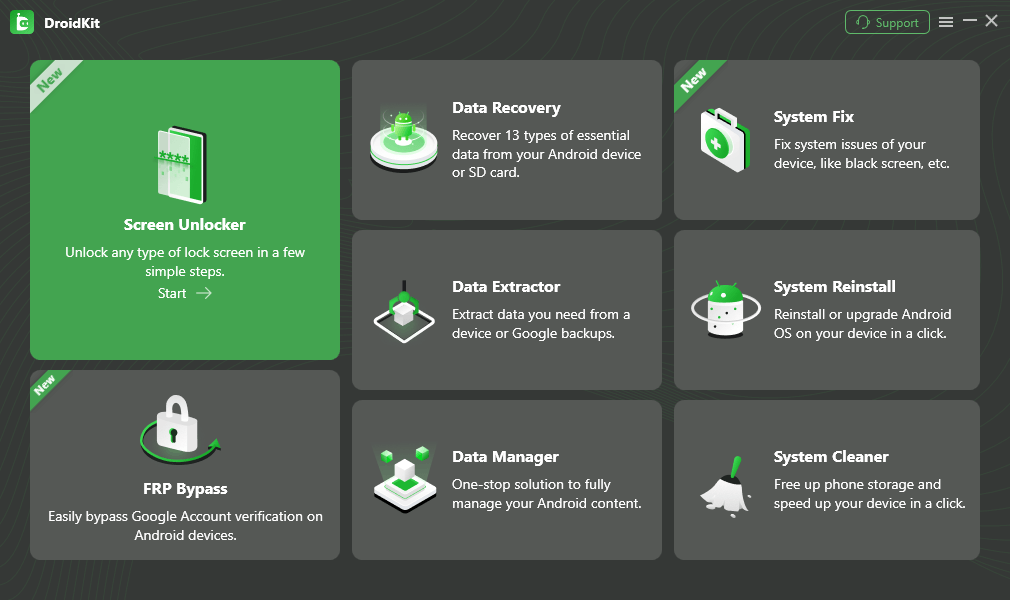
Choose Screen Unlocker in DroidKit
Free Download * Screen lock only
If your Pixel asks for the previous Google account after a reset, read this Google Pixel FRP bypass guide . FRP is also different from carrier unlocking.
FAQs About Unlocking Google Pixel to Another Carrier
Can I unlock a Google Pixel to use another carrier?
Yes, if the Pixel is SIM-unlocked and compatible with the carrier you want to use. Carrier unlocking removes the network restriction, but it does not guarantee that every Pixel model works with every carrier band, eSIM setup, 5G network, or service plan.
Are Google Store Pixel phones unlocked?
Google says phones bought from the Google Store come unlocked. You still need to activate the phone with a supported carrier and make sure the model works with that carrier’s network.
How do I check if my Google Pixel is carrier locked?
Try a working SIM or eSIM from another carrier. If the phone asks for a network unlock code, says the SIM is not supported, or cannot activate service, it may be carrier locked. You can also ask the original carrier to check the IMEI.
How do I unlock a T-Mobile Google Pixel?
A T-Mobile Pixel must meet T-Mobile’s unlock policy first. Eligible devices may be unlocked automatically, through the device unlock option, or by contacting T-Mobile support. Postpaid devices generally need at least 40 days of active service, while prepaid rules may require 365 days or eligible refill history.
Can DroidKit unlock a Google Pixel to another carrier?
No. DroidKit does not remove SIM or carrier network restrictions. It may help with Android screen locks or FRP on supported devices, but those are different problems from carrier unlocking.
Will carrier unlocking erase my Pixel data?
Official carrier unlocking normally should not erase your phone data. However, screen lock removal, factory reset, or FRP bypass steps may erase data. Confirm which type of lock you are dealing with before taking action.
Should I use online Pixel unlock websites?
Use caution. Some third-party unlock services charge fees, may not support your exact Pixel model or carrier, and may ask for sensitive IMEI information. The safest first step is the original carrier or the place where the phone was purchased.
What if my Pixel is unlocked but still cannot connect to the new carrier?
The phone may be unlocked but not compatible with the target carrier’s bands, eSIM/SIM setup, APN settings, IMEI whitelist, or activation system. Use the carrier’s BYOD checker, try Google’s Pixel SIM status refresh code, and ask support to verify the IMEI.
The Bottom Line
To unlock a Google Pixel to another network, start with the original carrier. Confirm the phone is truly SIM-locked, check the IMEI, meet the carrier’s unlock requirements, and then test the Pixel with the new carrier’s SIM or eSIM. If the phone is already unlocked but still cannot activate, the issue is likely compatibility, APN, eSIM, or carrier support—not a carrier lock.
DroidKit can be useful only when the problem is a screen lock or FRP on a supported Android device. It does not remove T-Mobile, Verizon, AT&T, or other carrier network restrictions.
Related Guides You May Need



Senior writer of the iMobie team as well as an Apple fan, love to help more users solve various types of iOS & Android-related issues.
Product-related questions? Contact Our Support Team to Get Quick Solution >
