How to Unlock Samsung Pattern Lock Without Losing Data [2026]
Forgot the pattern on your Samsung phone and want to keep your data? Compare the One UI 6.1 previous-lock recovery feature, legacy Forgot Pattern, Samsung account options, DroidKit, and ADB prerequisites before considering a factory reset.
Forgot the pattern on your Samsung phone but do not want to erase your photos, messages, apps, and other local data? Do not jump straight to a factory reset. Depending on your Galaxy model, One UI version, when you changed the screen lock, and what was configured before you were locked out, you may still have a non-destructive recovery option.
The biggest change for newer Samsung phones is the previous screen lock recovery feature. On supported Galaxy devices running One UI 6.1 or later, a recently replaced PIN, password, or pattern may remain temporarily available for recovery. Older Galaxy phones may instead depend on legacy Android features, while other cases require account-based options or a screen unlock tool.
Quick Answer: If you changed your Samsung pattern within the last 72 hours and the phone runs One UI 6.1 or later, try the previous pattern first. After five failed attempts, look for “Forgot pattern?” and enter the previous screen lock if the option appears. If that route is unavailable, identify whether an older Android recovery feature, an account-based option, or a supported screen unlock workflow applies. Treat factory reset as a last resort because it erases local data.
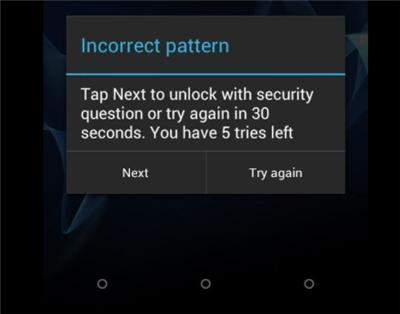
Forgot the pattern lock on a Samsung phone?
Which Samsung Pattern Unlock Method Should You Try?
“Without losing data” is the key constraint on this page. Some recovery routes are designed to preserve local data, while other unlock methods may reset the phone depending on the model and workflow. Check that difference before starting.
| Method | Best Fit | Data Impact | Main Requirement |
| Previous screen lock | Newer Galaxy after recently changing the pattern | Designed to keep data | One UI 6.1+; lock changed within 72 hours; previous lock still known |
| Legacy Forgot Pattern | Very old Android devices | Designed to keep data when available | Older Android environment and the required Google-account recovery screen |
| Samsung account / remote option | Galaxy previously linked to the required Samsung service | Depends on the function currently available for your device and region | Samsung account, connectivity, and prior setup |
| DroidKit Screen Unlocker | Supported Samsung screen-lock situations when manual recovery is unavailable | Depends on the Samsung model and available workflow | Computer, USB connection, and supported device route |
| ADB | Older or highly specific advanced setups | Historically used as a non-reset route, but current applicability is limited | USB debugging and computer authorization must normally have been configured before lockout |
| Factory reset | Last resort when recovery options do not apply | Erases local data | Be prepared for Google account verification after reset if FRP is active |
If the problem is broader than a forgotten pattern—for example, you forgot a Samsung PIN or password as well—the Samsung forgot password, PIN, and pattern guide compares the wider set of Galaxy screen-lock routes.
#1. Unlock Samsung Pattern Without Losing Data with Your Previous Pattern
For a newer Galaxy phone, this should now be the first method you check.
On supported Samsung devices running One UI 6.1 or later, Samsung can temporarily keep the previous PIN, password, or pattern after you replace it with a new screen lock. If you forget the new pattern shortly after changing it, the older one may still let you recover access without factory resetting the phone.
When This Method Can Apply
- Your Galaxy is running One UI 6.1 or later.
- You changed the PIN, password, or pattern within the last 72 hours.
- The previous lock information has not already been deleted.
- You still remember the previous pattern, PIN, or password.
- The “Forgot pattern?”, “Forgot PIN?”, or equivalent recovery option appears after failed attempts.
How to Use the Previous Samsung Pattern
Step 1. Enter the current pattern incorrectly until the recovery option appears. On supported devices, this can appear after five unsuccessful attempts.
Step 2. Tap Forgot pattern? or the equivalent option shown for your current screen-lock type.
Step 3. Enter the previous pattern, PIN, or password that you used before changing the current lock.
Step 4. After the previous credential is accepted, choose a new screen-lock type.
Step 5. Set and confirm a new pattern, PIN, or password that you can remember.
Important: This is not the same as the old Android “Forgot Pattern” feature. The newer Samsung recovery route uses the previous screen lock and is limited by the One UI version and the 72-hour recovery window.
Why “Forgot Pattern?” May Not Appear
The option may be missing because:
- the Galaxy is running an older One UI version;
- more than 72 hours have passed since the screen lock was changed;
- the previous lock information was manually deleted;
- you did not recently replace one screen lock with another; or
- your device or software version presents a different recovery flow.
If those conditions do not match your Samsung, move to the next method instead of repeatedly entering random patterns.
#2. Check the Legacy “Forgot Pattern” Option on an Older Samsung
The original version of this article described an older Android feature where repeated incorrect patterns could trigger Forgot Pattern and allow the user to sign in with the Google account already associated with the phone.
That method should now be treated as a legacy Android route, not a current Samsung-wide solution. It is mainly relevant to very old Android software where the Google-account-based Forgot Pattern screen still exists.
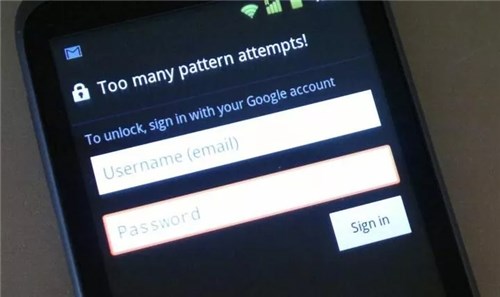
The Google-account Forgot Pattern flow belongs to older Android environments.
Check These Signs Before Trying the Legacy Method
- The Samsung phone is running a much older Android release.
- The lock screen itself exposes a Google-account-based Forgot Pattern option.
- You know the Google account credentials already associated with the device.
- The screen shown on your phone actually matches the older instructions.
If your current Galaxy only shows timed lockouts and never displays the older Google-account recovery screen, do not keep entering incorrect patterns hoping to trigger it. Use the One UI previous-lock route, another authorized recovery option, or a supported screen-unlock workflow instead.
#3. Unlock Samsung Pattern with DroidKit
If the previous-pattern feature does not apply and the phone is not old enough for the legacy Forgot Pattern route, you can evaluate a computer-based screen unlocker.
iMobie DroidKit includes a Screen Unlocker workflow for supported Android devices, including Samsung screen-lock situations involving patterns, PINs, passwords, fingerprints, or face locks.
Because this page specifically targets Samsung pattern unlock without losing data, one limitation needs to be clear: data behavior depends on the Samsung model and the available unlock workflow. Do not assume every Samsung can be unlocked by software while retaining all local data. Check the software notice for your device before proceeding.
When DroidKit Is Worth Checking
- You cannot use the One UI 6.1 previous-lock recovery feature.
- The legacy Forgot Pattern screen is not available.
- You own the Samsung phone or are authorized to unlock it.
- You have a Windows PC or Mac and a working USB connection.
- You want guided on-screen instructions instead of relying on an older ADB method.
DroidKit – Samsung Pattern/PIN/Password Unlock
Check the device workflow and data-loss notice for your Samsung model before starting.
How to Start Samsung Pattern Removal with DroidKit
Step 1. Launch DroidKit and choose Screen Unlocker. Connect the locked Samsung phone to the computer with a data-capable USB cable.
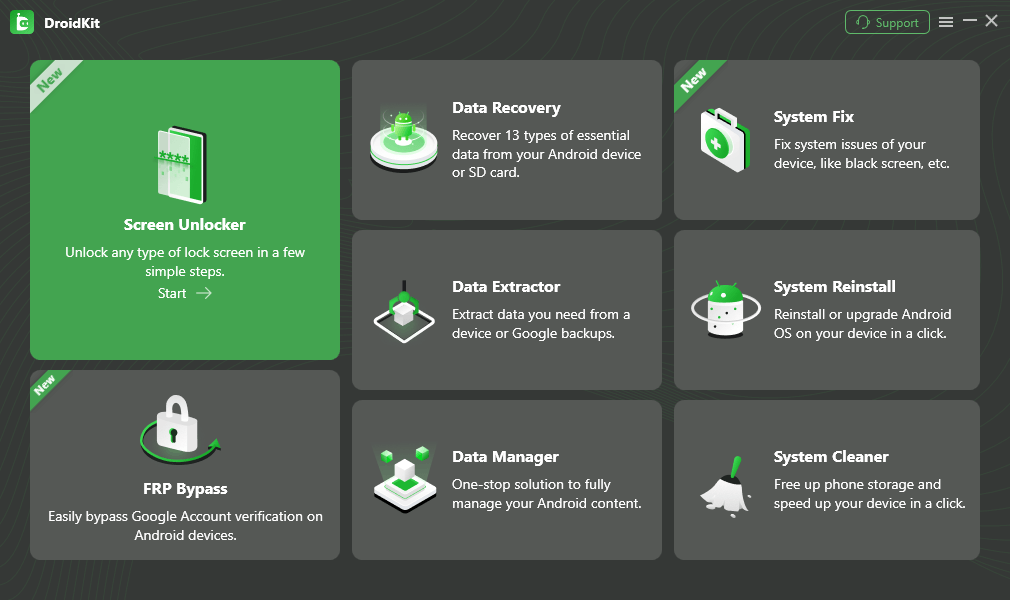
Choose Screen Unlocker.
Step 2. Click Start after the Samsung device is connected.
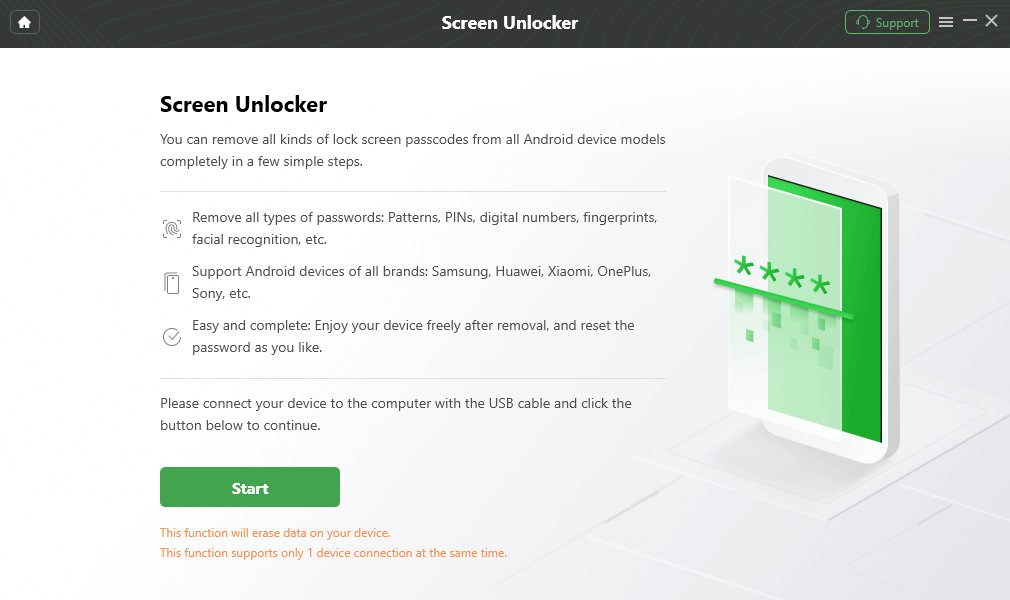
Connect the locked Samsung phone.
Step 3. Wait for DroidKit to prepare the device configuration. When prompted, continue with Remove Now.
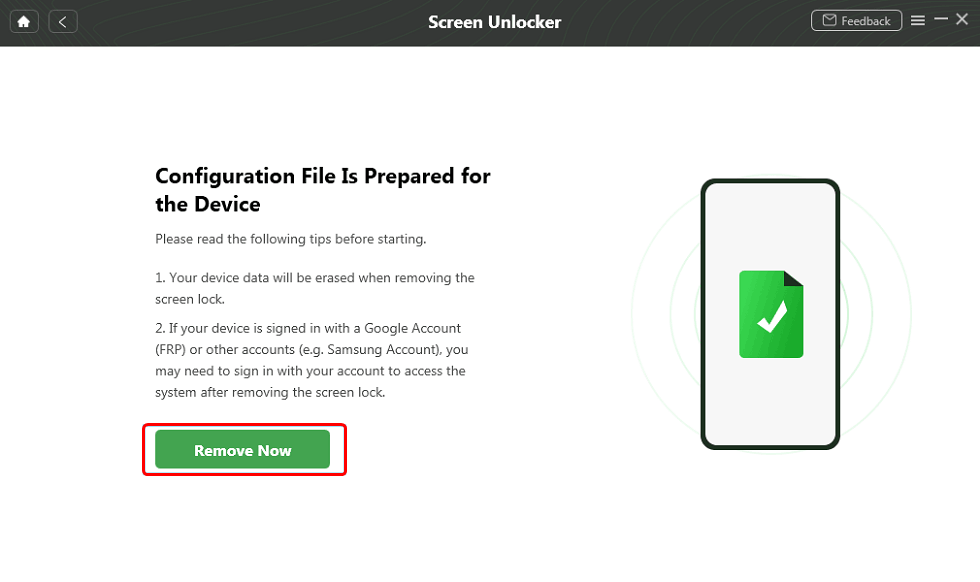
Continue with Remove Now.
Step 4. Follow the Samsung-specific instructions shown by DroidKit. Do not substitute steps from another Android brand or Galaxy model.

Follow the instructions for the Samsung device.
Step 5. Wait until the available screen-lock removal workflow reports completion, then check the phone and continue setup as instructed.
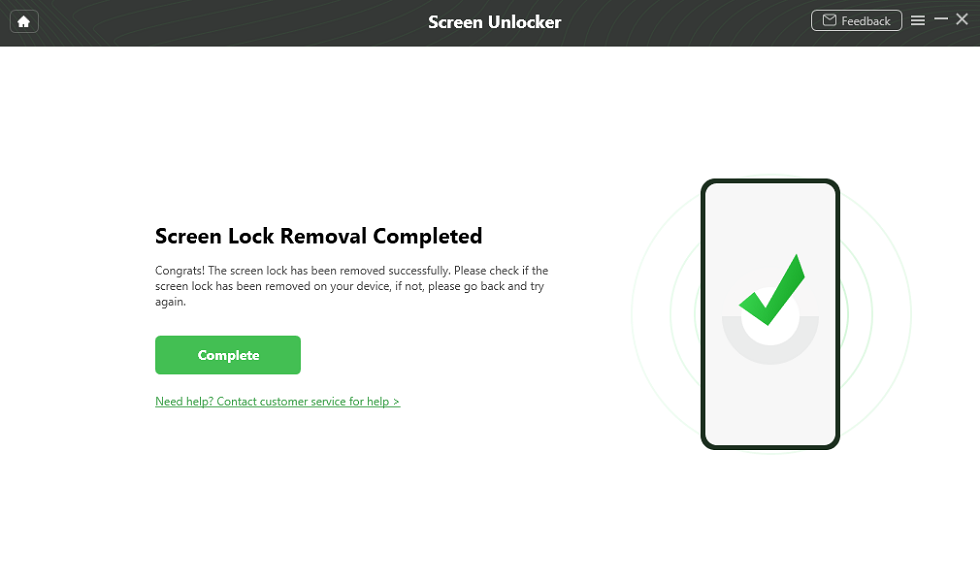
Screen Lock Removal Completed.
If you are comparing DroidKit with other programs rather than looking for one specific Samsung method, see the Android phone unlocking software comparison for differences between screen-lock and other unlock-tool categories.
#4. Check Samsung Account and Remote Recovery Options
Older Samsung tutorials often tell users to open Find My Mobile and click an Unlock button. This needs more caution in 2026 because Samsung remote functions can vary by region, software version, device, Samsung account configuration, and current service policy.
If your Galaxy was already signed in to a Samsung account, check the Samsung Find or SmartThings Find functions currently offered for your device. Do not assume that an old screenshot showing a remote Unlock button will appear in every country or on every Galaxy.
What to Check
- The locked Samsung is still registered to your Samsung account.
- The phone has the connectivity required by the remote service.
- Remote device-finding features were configured before you became locked out.
- Your regional Samsung service currently presents a non-destructive recovery option for the phone.
If the only remote action available is Erase or Factory Reset, that is not a “without losing data” method. Move it to the last-resort category instead.
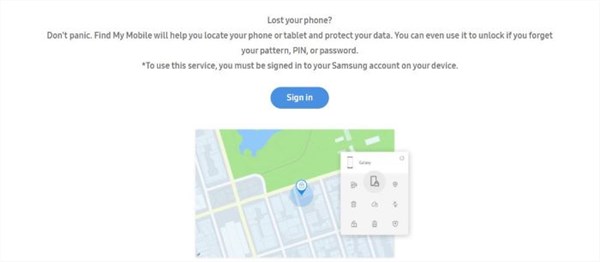
Older Samsung guides may show a remote Unlock option that is not available in every current setup.
#5. Can ADB Unlock a Samsung Pattern Without Losing Data?
ADB, or Android Debug Bridge, appears in many older Samsung pattern-unlock guides because advanced users could sometimes interact with lock-related files from an already authorized computer.
The prerequisite is the important part. An ADB approach normally requires USB debugging to have been enabled before the phone was locked, and the computer generally needs to have been trusted or authorized previously. Modern Android security, file-based encryption, and lock-screen changes also make old `gesture.key` tutorials much less broadly applicable than they once were.
ADB Is Worth Investigating Only If:
- USB debugging was enabled before you forgot the pattern;
- the computer had already been authorized by the phone;
- ADB can still see the device from that trusted computer;
- you understand that an old command may not apply to your current Android or One UI version; and
- you have a backup before modifying system-level files.
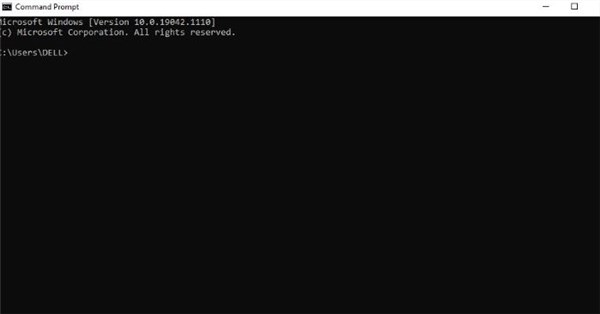
ADB methods require prior debugging and computer authorization.
The old approach often referenced deleting the Android gesture-key file and restarting the phone. Treat that sequence as a legacy technique, not a guaranteed current Samsung unlock method. If the phone is encrypted, ADB is unauthorized, or the current lock implementation no longer depends on that file in the old way, repeating the command will not provide the result shown in an outdated tutorial.
When Factory Reset Becomes the Last Resort
If none of the non-destructive recovery options apply, Samsung may ultimately require the device to be reset. This removes the local pattern by erasing the phone, so it does not satisfy the “without losing data” goal unless your important information is already backed up elsewhere.
Before resetting:
- check Samsung Cloud, Google, Google Photos, and any other backup service you previously enabled;
- confirm that you know the Google account previously synced with the phone;
- remember that Factory Reset Protection may ask for that Google account during setup; and
- do not factory reset just to test whether a forgotten pattern disappears if keeping unbacked-up data is your priority.
If you decide that erasing the phone is acceptable, the locked Samsung factory reset guide compares Recovery Mode and other reset routes and explains what can happen after the reset.
Why Samsung Pattern Unlock Without Data Loss Methods Do Not Work
| What Happens | Likely Reason | What to Do Next |
| “Forgot pattern?” never appears | The One UI version, 72-hour window, or previous-lock requirements are not met | Stop repeating failed patterns and check another recovery route. |
| The previous pattern is rejected | The credential is wrong or the previous-lock recovery limit has been reached | Do not keep guessing; move to another authorized method. |
| The Google-account Forgot Pattern screen is missing | Your Samsung is too new for the legacy Android method | Use a current Samsung recovery route instead. |
| SmartThings Find shows only locate, lock, or erase actions | The old remote Unlock option is not available in the current service/device setup | Do not treat remote erase as a data-preserving unlock method. |
| ADB says device unauthorized or does not see the phone | USB debugging or computer authorization was not configured before lockout | ADB is not a practical option for this device state. |
| DroidKit presents a data-loss notice | The available Samsung workflow is not a no-data-loss route for that model | Stop if preserving local data is more important than immediate access. |
| Factory reset removes the pattern but setup asks for Google account | FRP is active after reset | Sign in with the previously synced Google account before treating it as another screen-lock problem. |
FAQs About Unlocking Samsung Pattern Without Losing Data
Can I unlock a Samsung pattern without losing data?
Sometimes. The best current example is the previous-screen-lock feature on supported Galaxy phones running One UI 6.1 or later, when the pattern was changed within the last 72 hours and you still know the previous lock. Other methods depend on the phone, prior account setup, and the available unlock workflow.
What should I do if I forgot a Samsung pattern I just changed?
If the Galaxy runs One UI 6.1 or later and you changed the pattern within the last 72 hours, enter the wrong current pattern until “Forgot pattern?” appears, then try the previous screen lock. This should be checked before any factory reset.
Can my Google account unlock a forgotten Samsung pattern?
The old Google-account-based Forgot Pattern feature belongs mainly to older Android environments. On a current Samsung Galaxy, do not assume that entering the Google account will replace the normal pattern unless the phone specifically presents that recovery option.
Can Samsung Find unlock my pattern remotely?
Samsung remote capabilities vary by device, region, account configuration, and current service policy. Older guides may show a remote Unlock button, while another current setup may only offer location, lock, or erase functions. Check what your Samsung account actually provides before relying on this method.
Does DroidKit unlock Samsung without losing data?
Data behavior depends on the Samsung model and the Screen Unlocker workflow available for that device. Some supported Samsung situations may offer a different data outcome from others, so check the device-specific notice before starting rather than assuming every screen-lock removal preserves local files.
Can ADB remove a Samsung pattern without factory reset?
ADB is mainly relevant when USB debugging and computer authorization were already configured before the lockout. Old gesture-key deletion tutorials should not be treated as universally compatible with current Samsung phones because modern Android encryption and lock-screen behavior have changed.
Is there a master code or universal PIN for Samsung pattern unlock?
No. There is no universal Samsung master PIN or pattern-unlock code that safely opens every Galaxy phone. Avoid random dialer codes presented as universal unlock solutions.
Will factory resetting Samsung remove the pattern lock?
A factory reset can remove the local screen lock by erasing the phone, but it also deletes local data. After the reset, Google Factory Reset Protection may still require the Google account previously synced with the Samsung device.
The Bottom Line
If keeping your Samsung data is the priority, start with the recovery condition that best matches the phone rather than with the most aggressive unlock method. A Galaxy running One UI 6.1 or later deserves a check for the 72-hour previous-pattern feature first. An older Samsung may expose the legacy Forgot Pattern flow, while account-based or software options depend on what was already configured and what the specific device supports.
ADB should now be viewed as a narrow legacy route with strict prerequisites, and factory reset should stay at the bottom of the list because it solves the screen-lock problem by deleting local data. If a software unlock workflow warns that your model will be reset, decide whether the files on the phone matter more than immediate access before continuing.
More Related Articles


Roger Smith is a senior technical writer with years of experience in providing Android solutions. He loves to help users solve various problems such as Android unlock, Android data recovery, and Android system repair.
Product-related questions? Contact Our Support Team to Get Quick Solution >

Mentioned in Top Tech Sites:

Highly Rated by Users:
based on Customer Reviews