As a dedicated Pokémon GO trainer playing since day one, I’ve spent countless hours tracking down elusive Pokémon, from hunting regionals during global events to completing the multi-year challenge for a Shiny Mew. I know the frustration of a nearly-complete Pokédex held back by a few stubborn shadows.
Many players spend months chasing those final Pokédex entries, only to find that certain Pokémon always seem just out of reach. If you’ve already mastered the basics but still feel stuck, this guide is for you. Rare Pokémon in Pokémon GO are shaped by shifting spawn patterns, regional restrictions, limited-time appearances, and even factors like shiny odds that Pokémon Go players watch closely during events. Instead of repeating generic tips, this guide focuses on clear, advanced strategies to help you track down the rarest Pokémon and make your hunt far more efficient.
This guide is based on long-term, hands-on gameplay and analysis with the latest Pokémon GO version on both iOS and Android. These strategies have been validated across multiple player accounts and devices during different in-game seasons and major events (like GO Fest and Community Days) to confirm their effectiveness.
Table of ContentsHide
Current Pokémon GO Rare Pokémon List (Updated Monthly)
Knowing which Pokémon to prioritize is the first step in any successful hunt. Rarity in Pokémon GO is fluid, shifting with events, seasons, and game updates. This Pokémon GO rare Pokémon list is curated to reflect the current state of the game, helping you identify which creatures are truly difficult to obtain right now.

Legendary and Mythical Pokémon
These powerful Pokémon are typically available only through specific, time-limited methods. Their fleeting availability makes them high-priority targets whenever they appear.
- Currently in 5-Star Raids: These powerful bosses rotate frequently, often weekly. You’ll need a group of trainers or very strong counters to defeat and catch them. (e.g., Current Raid Bosses like Enamorus, Regidrago)
- From Master Ball Research: These multi-stage questlines are challenging and often reward you with a guaranteed encounter with a Mythical or Legendary Pokémon. (e.g., Mew, Celebi, Shaymin)
- Vaulted Legendaries: These are Pokémon that haven’t been available in raids for over a year, making them exceptionally rare for newer players. (e.g., Zacian, Zamazenta)
Regional Pokémon
These Pokémon are geographically locked, spawning only in specific parts of the world. Catching a full set of regional Pokémon often requires travel, trading, or waiting for global events where they are temporarily available worldwide.
- The Americas: Tauros, Hawlucha, Oricorio (Pa’u Style), Carnivine
- Europe: Mr. Mime, Klefki, Volbeat, Mime Jr. (from 5km eggs obtained in the region)
- Asia-Pacific: Farfetch’d, Comfey, Oricorio (Sensu Style), Chatot
- Africa: Tropius, Corsola, Oricorio (Baile Style), Pansear
Ultra-Rare Spawns and Hatches
This category includes Pokémon with exceptionally low spawn or hatch rates, making them a true test of persistence.
- Unown: All letter forms are incredibly rare. They typically appear in greater numbers only during major in-person events like GO Fest.
- Frigibax: This Dragon/Ice-type has a notoriously low Pokémon GO spawn rate in the wild, making its evolution, Baxcalibur, one of the most difficult non-legendary Pokémon to acquire.
- Larvesta: This Bug/Fire-type is primarily found by hatching 2km, 5km, and 10km eggs, but its hatch rate is extremely low, requiring significant luck and many incubators.
- Jangmo-o & Axew (Non-Event): Outside of their Community Days, these Dragon-types are exceptionally rare in the wild.
A Proven Pokémon GO Rare Pokémon Guide: 4 Advanced Strategies
Shifting from casual play to strategic hunting is essential. This Pokémon GO rare Pokémon guide details four effective methods to dramatically increase your chances. Instead of just hoping for a lucky spawn, you can actively create your own opportunities.
1. Master the In-Game Event Calendar
Events are the single most reliable way to find rare Pokémon. Niantic frequently hosts events that dramatically increase the spawn rates of specific Pokémon, including shiny variants and otherwise unavailable species. Go beyond just playing during events; prepare for them. Check the in-game “Today” view and official blog a week in advance. Identify the key Pokémon you need and plan your time to maximize your hunt during the event window. This is your best opportunity to catch Pokémon that are normally almost impossible to find.

2. Decode Your Local Spawn Environment
Certain Pokémon types appear more frequently in specific weather conditions and environments, known as biomes. Understanding this system on a deeper level helps you predict where to find specific Pokémon.
- Weather Boosts: Dragon-types are boosted in windy weather, Fire-types in sunny weather, and Water-types in the rain. A weather boost not only increases the spawn rate but also guarantees a higher minimum IV, making it the ideal time to hunt for a powerful specimen.
- Reading Biome Clues on the Map: You can identify biomes by looking at the in-game map. Bodies of water are obvious water biomes. Dark green areas typically represent parks, which can be nests (more on that below). Densely packed streets in downtown areas form a “city” biome, which often favors Pokémon like Porygon or Trubbish. Less obvious are “mountain” biomes, which can sometimes be identified by steeper elevation lines on the map and tend to spawn more Rock, Ground, and occasionally Dragon-type Pokémon.
3. Connect with Your Local Pokémon GO Community
Local player communities on platforms like Campfire, Discord, or Facebook are your most powerful real-time tool. Members often report rare encounters, giving you a chance to find a reported spawn before it disappears. I caught my first wild Gible because I had alerts set up on my local Discord. An alert popped up for a spawn 10 minutes away, and I was able to get there just in time. This method is especially effective for locating Pokémon with low spawn rates outside of events. Community groups are also essential for organizing raid groups to take down legendary Pokémon.
4. Systematically Clear Your Research Tasks
Field Research, Special Research, and Timed Research tasks often reward you with encounters that may not be spawning in the wild.
- Field Research: Spin PokéStops to get tasks. Don’t just complete them randomly; hunt for specific ones. Online communities often compile lists of the current month’s rewards.
- Expert Tip: Some of the most valuable tasks (e.g., “Make 3 Excellent Throws in a row”) can be tied to a specific PokéStop for the entire day. If you find one that rewards a desirable Pokémon like Beldum or Dratini, you can share its location with friends so they can get the same guaranteed encounter.
- Special and Timed Research: These story-driven quests often lead to guaranteed encounters with Mythical or other rare Pokémon. Always prioritize completing these, as the rewards are often one-of-a-kind.
Explore Rare Spawn Locations More Efficiently
For many trainers, the biggest obstacle in rare Pokémon hunting is not understanding spawn mechanics — it is physically accessing the right locations consistently enough to take advantage of them. Rare spawns often appear in dense urban biomes, event hotspots, coastal regions, or temporary nest rotations that are difficult for many players to reach regularly.
To improve hunting efficiency, some experienced players use desktop-based GPS management tools like Fonelora Location Changer to simulate realistic movement routes across high-density spawn areas and event locations without relying entirely on constant physical travel.
Compared to unstable modified game clients, desktop GPS tools focus more on controlled route simulation, smoother location synchronization, and safer movement management across both iOS and Android devices.
Useful features for rare Pokémon hunting include:
- Teleport access to active event hotspots
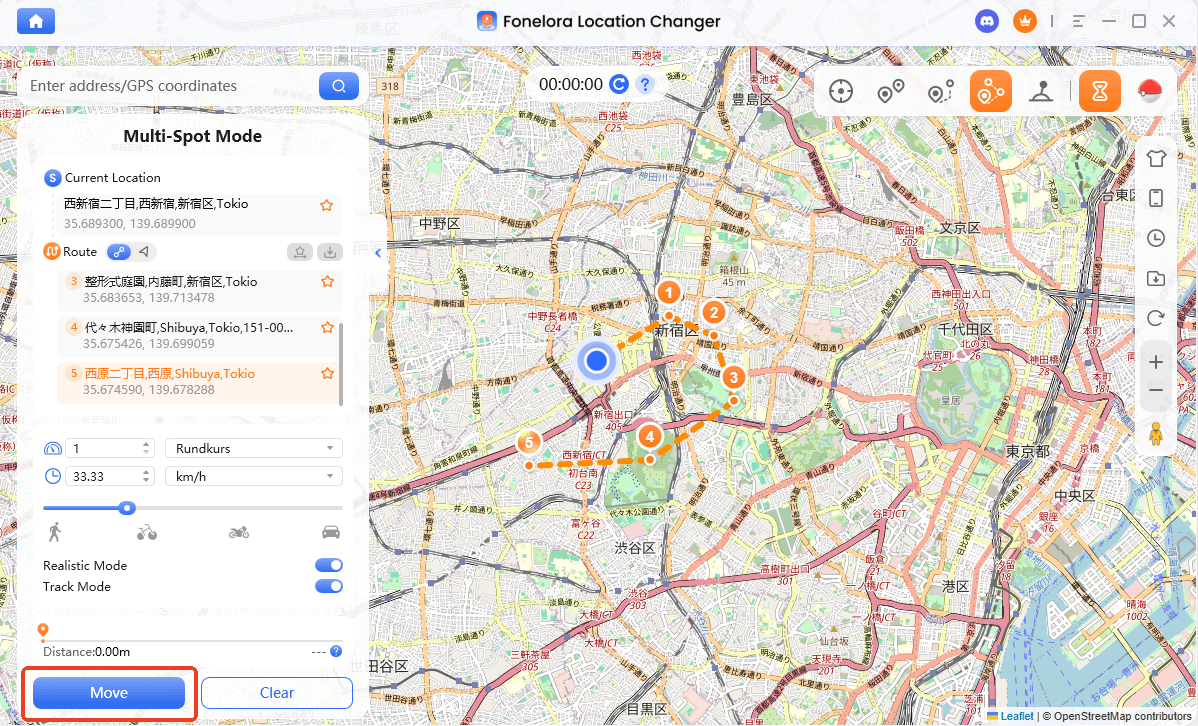
- Multi-Spot route planning through dense spawn clusters
- Adjustable walking speeds for realistic movement simulation
- Joystick navigation for manual shiny checking
- Stable GPS synchronization
- No jailbreak or root required
Basic Setup Procedure
- Download and install Fonelora Location Changer on your computer.
- Connect your iPhone or Android device and complete the location authorization process.
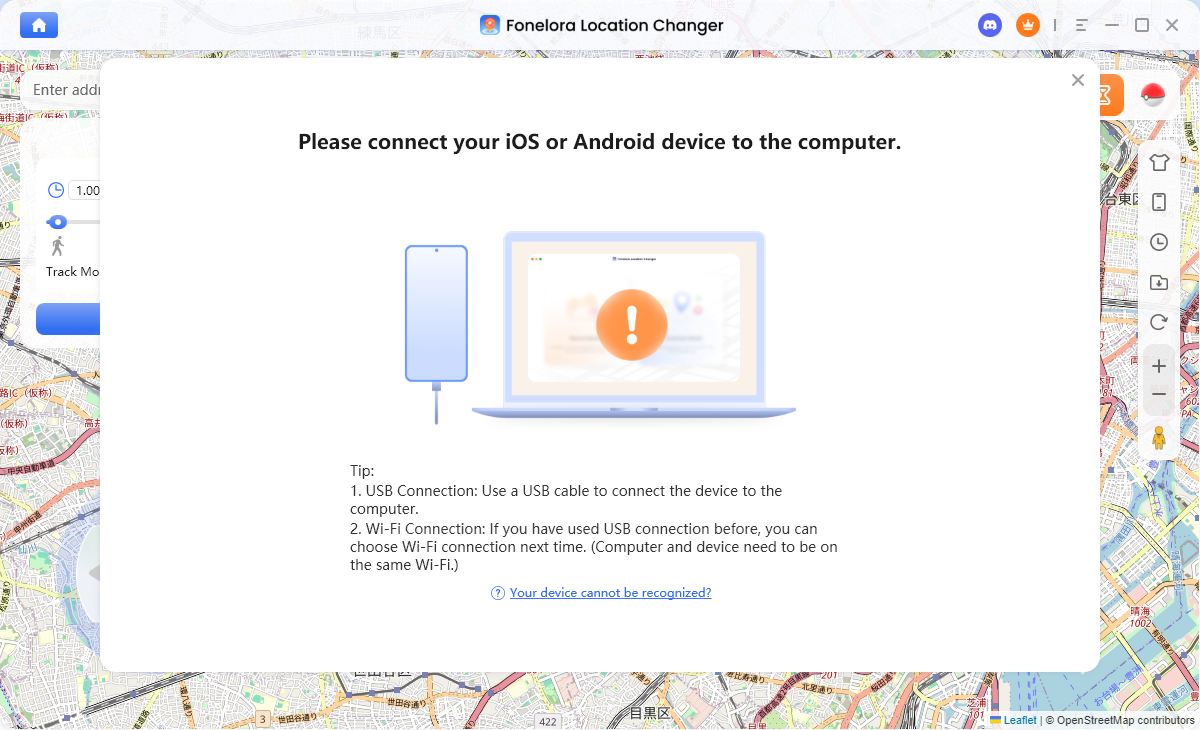
- Use Teleport Mode to access active event cities, nests, or biome-heavy farming areas.
- Create a Multi-Spot walking route through parks, PokéStop clusters, or coastal spawn zones.
- Enable Joystick Mode for manual shiny checks and targeted spawn hunting.
- Wait for cooldown completion before catching Pokémon.
Understanding Pokémon GO Rarity Tiers: Which Hunt is Right for You?
Not all rare Pokémon are rare in the same way. Understanding the different Pokémon GO rarity tiers helps you decide where to invest your time, Poké Balls, and Raid Passes. Some hunts require patience, others require coordination, and a few require travel. This comparison breaks down the most common categories to help you plan your goals.
| Rarity Type | Availability | Catch Method | Typical Effort Required |
|---|---|---|---|
| Legendary Pokémon | Rotational; only in 5-star raids or specific research for limited periods. | Group raid battle. | High: Requires coordinating with other players and earning or buying Raid Passes. |
| Regional Pokémon | Constant but geographically locked to specific continents or countries. | Standard wild catch. | Very High: Requires international travel or waiting for a rare global event. |
| Shiny Pokémon | Always available for some species, but at very low odds (approx. 1 in 500). | Standard wild catch, raid, or research. | Very High: Requires thousands of checks. Effort is significantly lower during Community Days. |
| Event-Exclusive | Only available during specific in-game events, sometimes for just a few hours. | Varies (Wild, research, raids). | Moderate: Requires playing actively during a specific, limited window of time. |
| Ultra-Rare Spawns | Available in the wild but with an extremely low spawn probability. | Standard wild catch. | High: Relies heavily on luck, persistence, and extensive playtime. |
Mastering Pokémon GO Spawn Mechanics: Nests, Biomes, and Spawn Points
To truly master the hunt, you must understand the underlying Pokémon GO spawn mechanics. Pokémon do not appear randomly. Their presence is determined by a combination of factors that create a “spawn pool” for any given area.
The system is built on spawn points—specific geographical coordinates where Pokémon can appear, often concentrated in areas with high cellular activity. However, the most important mechanic for dedicated hunters is the Pokémon Nest.
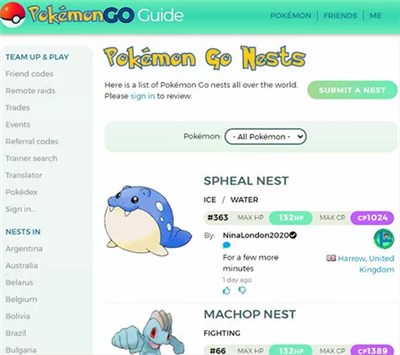
A Nest is a specific area, almost always a park or other public space (visible as dark green on the in-game map), where a single species of Pokémon will spawn frequently and reliably.
- What is a Nest?: For a two-week period, a specific park will become a designated habitat for one type of Pokémon. This is an incredible opportunity to farm candy for a semi-rare Pokémon you need to evolve, like Scyther, Onyx, or a starter.
- Nest Migrations: Every two weeks on a Thursday (at 5:00 PM PST), every Nest in the world “migrates.” This means the Pokémon species in that Nest changes to a different one. The park that was a Magikarp nest might become a Pikachu nest overnight.
- How to Find Nests: Community-run resources like The Silph Road’s Nest Atlas were once the gold standard. Today, local Discord and Facebook groups are the best places to find crowdsourced reports on what is currently nesting in your local parks.
By identifying and visiting Nests, you can target specific Pokémon for your collection. This is a far more effective method than wandering aimlessly.
This guide will be updated monthly to reflect new events, seasonal changes, and game patches, ensuring the information on rare Pokémon locations and lists remains accurate and reliable for trainers.
Frequently Asked Questions
- What are the rarest Pokémon in Pokémon GO?
- Rarity is dynamic, but the rarest are typically costumed variants from one-time events, shiny Mythical Pokémon (like Shiny Mew), region-locked Pokémon that have never been featured in global events, and ultra-low-spawn-rate Pokémon like most forms of Unown.
- How do you find rare Pokémon in Pokémon GO?
- The most effective methods are preparing for in-game events, identifying and visiting Pokémon nests, completing all research tasks, and engaging with local player communities for real-time spawn reports.
- Why are some Pokémon so hard to find?
- Rarity is created through several game mechanics: low base spawn rates, limited-time availability (in raids or events), geographical restrictions (regional Pokémon), or a combination of all three. This scarcity is a core part of the game’s collection challenge.
- Do events increase the chances of rare Pokémon appearing?
- Absolutely. Events are the primary way Niantic makes otherwise rare Pokémon more accessible for a limited time. They often feature dramatically increased spawn rates for specific Pokémon and offer the best odds for finding a shiny variant.
Chart Your Course to Catch ‘Em All
Rare Pokémon in Pokémon GO are no longer just about random luck. Modern spawn systems are heavily influenced by events, biomes, nest rotations, weather boosts, and regional restrictions, which means efficient hunting now depends on strategy far more than endless grinding.
By understanding how rarity tiers work, tracking active events, monitoring nest migrations, and optimizing your movement across high-density spawn areas, you dramatically improve your chances of finding elusive Pokémon that many players rarely encounter.
For trainers looking to maximize rare spawn farming efficiency, tools like Fonelora can help simulate realistic walking routes, explore active biome locations more effectively, and reduce the limitations caused by distance or local spawn scarcity.
With the right planning and smarter route management, completing difficult Pokédex entries becomes far more achievable than simply waiting for luck alone.


Hot Topics
