Facing a storage box full of Pokémon and not knowing which ones are actually weak or low-value can be frustrating for any trainer. Noah ran into this problem early on after catching hundreds of species. Wanting to contribute more in group battles, he spent over 200,000 Stardust powering up an Aggron that looked powerful on paper. But in the very next raid, even after checking counters through a Pokémon Go Raid Finder, he realized his damage output was far behind teammates using Machamp, and his Aggron fainted much faster than expected.
The gut-punch of sinking hard-earned Stardust into a poorly performing species is a universal trainer experience. A major source of this issue is assuming a high Combat Power (CP) equals actual battle strength. As the game evolves, shifting metas leave beginner players unsure about which species to build and which to transfer.
This guide cuts straight to the facts. By relying on actual game mechanics like base stats, movesets, and bulk, you will learn exactly how to manage your resources, avoid common traps, and build a formidable roster.
Table of ContentsHide
Overview: Quick Rules of Thumb for Evaluating Pokémon
Before we dive into the specifics, keep these golden rules in mind when reviewing your storage:
- CP is a Liar: A massive Combat Power number does not guarantee high Damage Per Second (DPS) or survivability.
- Movesets Matter Most: A top-tier attack stat means absolutely nothing if the Pokémon is stuck with a terrible fast move (like Yawn).
- Do Not Auto-Transfer Low Appraisals: A 0-star or 1-star appraisal is often perfect for Great League and Ultra League PvP formats.
- Scan Before You Trash: Always appraise your catches with third-party tools like PokeGenie or CalcyIV to reveal their true mathematical potential.
The Top 10 “Trap” Pokémon You Should Avoid Investing In
When evaluating your roster, you need a concrete list of the most common traps. These are species that frequently trick beginners because they look incredibly strong, have massive CP ceilings, or are incredibly rare, but fundamentally fail in battle.
Directing your in-game currency away from these ten species is a highly effective way to prevent wasting your resources:
- Slaking: The ultimate trap. Despite having one of the highest CP caps in the game, Slaking is entirely crippled by its fast attack, Yawn, which generates zero energy and deals virtually no damage.
- Aggron: It looks like an indestructible tank, but its Steel/Rock typing makes it double-weak to common Fighting and Ground attacks. Its offensive DPS is drastically outclassed by almost any dedicated attacker.
- Regigigas: Similar to Slaking, this legendary titan possesses incredible base stats but was given an incredibly restrictive, slow moveset that prevents it from competing in serious raids.
- Dusknoir: Evolving a Dusclops requires significant effort and items, but Dusknoir severely lacks the damage output to compete against top-tier Ghost types like Gengar or Trevenant.
- Male Combee: This is purely Pokédex filler. Only Female Combee can evolve into the powerful Vespiquen, meaning any Stardust spent on a male is completely lost.
- Male Salandit: Exactly like Combee, male versions cannot evolve into the highly coveted Salazzle.
- Shedinja: Due to the way Pokémon Go translates stats from the mainline games, Shedinja has its HP locked at the absolute minimum. It will faint almost instantly in any combat scenario.
- Luvdisc: Boasting an incredibly low CP ceiling and terrible base attributes, this Water-type has zero viability in any league or raid.
- Dunsparce: Even though it appears frequently during events, it lacks the bulk and moveset required to be a competitive Normal-type.
- Unown: Highly sought after by collectors for special events, but fundamentally useless in any combat arena due to extremely low stats.
By referencing an updated list of underperformers, you can ensure every action improves your battle performance.
Strategic Comparisons: Meta Evaluation vs. Basic CP Checking
Trainers frequently experience confusion regarding the numbers hovering above their catches. Relying solely on the large CP number displayed on your screen is a beginner’s habit that frequently results in poor resource management.
To understand the mechanical difference, let us look at a realistic comparison between two Normal-type Pokémon that can both reach massive CP numbers: Ursaluna and Slaking.
| Evaluation Metric | Basic CP Trap (Slaking) | Advanced Meta Choice (Ursaluna) |
|---|---|---|
| Moveset Efficiency | Crippled by Yawn, which generates minimal energy and zero damage pressure. | Access to fast energy generators like Tackle or Mud Shot, paired with devastating charged attacks like High Horsepower. |
| Success Rate in Battles | Acts merely as a gym defender sponge. Offers zero offensive pressure in raids or PvP. | Excels as a heavy-hitting closer in the Master League and serves as a highly capable Ground-type raid attacker. |
| Resource Cost | Frequently leads to wasted Stardust because its high CP tricks players into thinking it is a strong attacker. | Every piece of Candy and Stardust invested yields noticeable, mathematically proven results in combat. |
Core Mechanics: Why Certain Species Fail in Combat
Understanding the underlying mechanics is crucial for evaluating your roster. For Noah, searching for answers provided a major realization about why his Aggron failed to deliver damage.
Here is a critical expert insight that clarifies this dynamic: In Pokémon Go, weakness often comes from a combination of low base stats and poor movesets rather than just low CP. Some Pokémon appear weak because they lack powerful attacks or cannot compete in raids or PvP leagues, which makes investing Stardust in them inefficient compared to meta-relevant alternatives.
The mathematical formulas dictating in-game damage calculations are strict. A species might boast a massive Combat Power, but if its base Attack stat is fundamentally low, its damage output will barely register against difficult raid bosses.
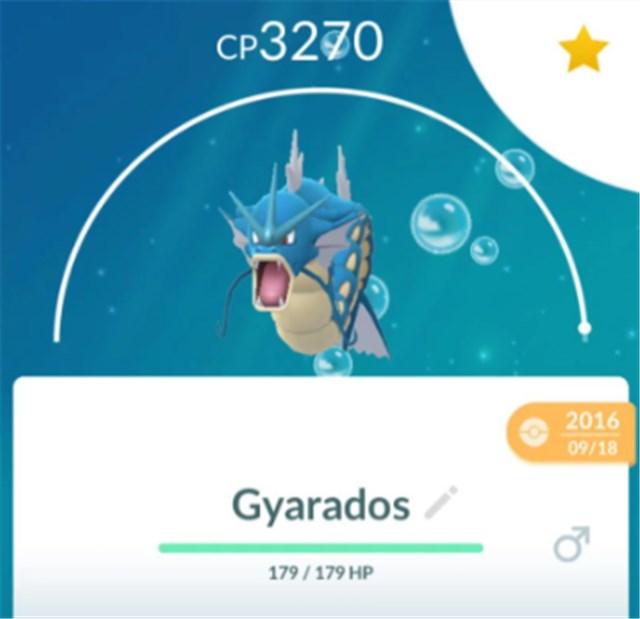
Movesets play an equally critical role. A strong species restricted to slow, low-energy generating fast attacks will inevitably fail in the fast-paced Battle League. Recognizing these strict limitations is the primary solution to mastering your team building.
Context Matters: Navigating Raids, Gyms, and PvP Formats
A common oversight is assuming that a single metric dictates a creature’s value across the entire game. In reality, effectiveness heavily depends on the specific combat format. What fails spectacularly in a five-star raid might be a top-tier contender in specific restricted competitive formats.
A low CP is not inherently flawed; it might simply be built for an entirely different arena. For instance, species with low Attack but extremely high Defense and Stamina excel in the Great League (capped at 1500 CP) and Ultra League (capped at 2500 CP). Because the Combat Power formula heavily weights the Attack stat, defensive creatures can pack far more bulk into CP-capped leagues than attack-heavy species.
You must evaluate each catch based on its intended context. A high-damage attacker perfect for short-manning legendary raids might be far too fragile to survive a single shield-bait scenario in PvP. To navigate this, competitive players rely heavily on resources like PvPoke to simulate battle matchups before investing any resources.
Practical Storage Management: Safely Handling Low Performers
Managing limited storage space is a constant challenge. Decluttering is a necessary procedure, provided you know exactly what you are discarding. By confidently identifying your lowest performers, you can quickly clean up your inventory and accumulate valuable Candy.
However, many beginner guides provide actively dangerous advice by telling players to blindly transfer anything with a low appraisal.
If you participate in the GO Battle League, 0-star and 1-star appraisals are exactly where you find optimal PvP IVs (such as 0 Attack, 15 Defense, and 15 HP). Blindly transferring these ranges means you might accidentally grind up a Rank 1 Great League champion into Candy.
Here is the correct, safe procedure for managing your storage:
Step 1. Scan Your Catches: Open a trusted third-party app like PokeGenie or CalcyIV. Scan your recent catches to see their hidden PvP rankings.
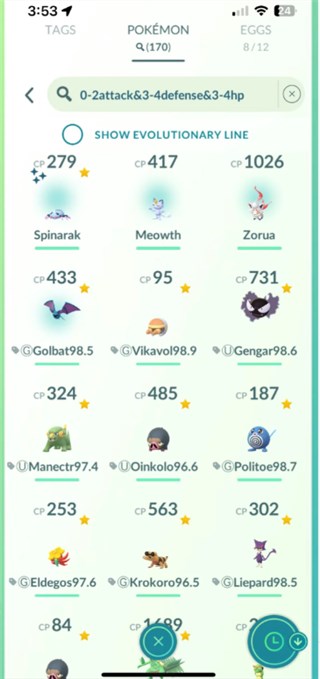
Step 2. Tag Your Keepers: If the app reveals a Pokémon ranks highly for the Great League or Ultra League, favorite it immediately and apply a custom tag (e.g., “PvP Keep”).
Step 3. Apply Safe Search Strings: Once your valuable PvP assets are protected, you can type !favorite & 0*,1*,2* into your storage search bar. This filters out everything that isn’t favorited and lacks high internal stats.
Step 4. Execute Mass Transfer: Review the filtered list for obvious non-viable species (like the traps listed earlier), select them, and transfer them to Professor Willow.
For Noah, adopting this structured approach was the ultimate fix. He successfully organized his collection using scanning apps, stopped wasting his Stardust on poor performers, and finally built a roster capable of conquering challenging encounters.
Bonus Tip: Explore More Pokémon Locations
Even if some Pokémon rank among the weakest in Pokémon GO, many trainers still enjoy collecting them to complete their Pokédex. One challenge is that certain Pokémon may only appear in specific regions or during limited-time events.
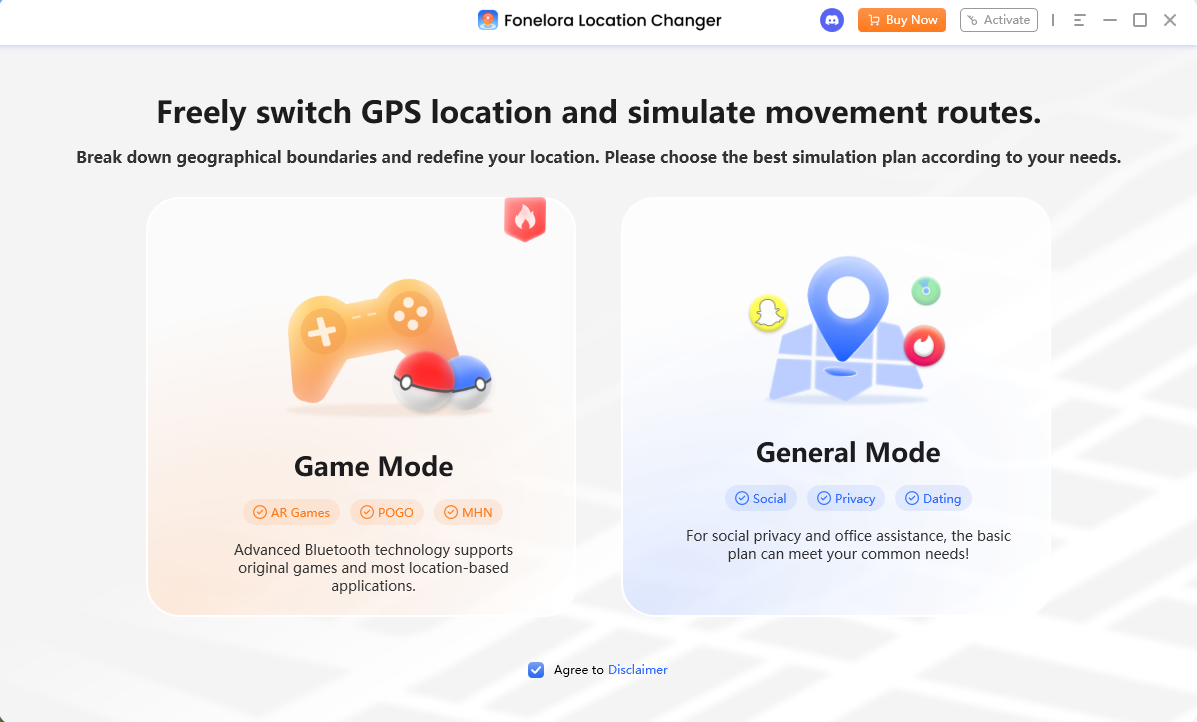
If you want to explore Pokémon spawns in different locations more easily, FoneLora Location Changer can help. This GPS location changer allows you to modify your location on iPhone and Android, simulate movement, and visit different areas virtually without complicated setup.
Frequently Asked Questions
- What is the worst Pokémon in Pokémon Go?
- Mathematically, species like Shedinja, Male Combee, and Unown rank at the absolute bottom due to severe stat deficiencies. In terms of wasted Stardust potential, Slaking is frequently considered the biggest trap because its massive CP is nullified by the useless fast attack, Yawn.
- Why are some Pokémon completely unviable?
- A creature becomes unviable when it suffers from a combination of low base stats and an inefficient moveset. If a species cannot generate energy quickly or lacks high-damage charged attacks, it cannot compete effectively in raids or player-versus-player environments.
- Should I transfer weak Pokémon?
- Yes. Transferring non-viable species frees up crucial storage space and provides Candy. Just ensure you use an app like PokeGenie first to verify the creature does not have a hidden value for specific CP-capped PvP leagues.
- Do weak Pokémon ever become useful?
- Yes. Game developers frequently adjust the meta by updating movesets or introducing specialized, type-restricted cups. A previously ignored species can suddenly become highly relevant if it receives a faster, higher-damage attack during a seasonal update.
Conclusion
While the Pokémon listed above are often considered among the weakest in Pokémon GO due to their low battle performance or limited usefulness, every Pokémon has value for collectors and dedicated trainers. Building a complete Pokédex is still one of the most rewarding parts of the game.
If you’re looking to discover Pokémon from different regions or expand your collection more efficiently, FoneLora Location Changer can be a useful companion. By helping you explore virtual locations and access a wider variety of Pokémon spawns, it offers more flexibility for your Pokémon GO adventures.


Hot Topics
