There is nothing quite as frustrating as finally meeting up to exchange a rare catch, only to be slapped with an impossible Stardust fee. My buddy Mark, a dedicated Collector, recently experienced this exact disappointment. He tried to trade me a Shiny Rayquaza, and our jaws dropped when we saw the 1,000,000 Stardust price tag on the screen.
Not understanding what counts as a Special Trade often leaves players unsure which Pokémon qualify, confused about daily caps, and stressed over the massive cost of legendary and shiny transactions. After researching how the system works, Mark learned that building a higher friendship level drastically reduces these expenses, turning an impossible transaction into a simple, affordable exchange.
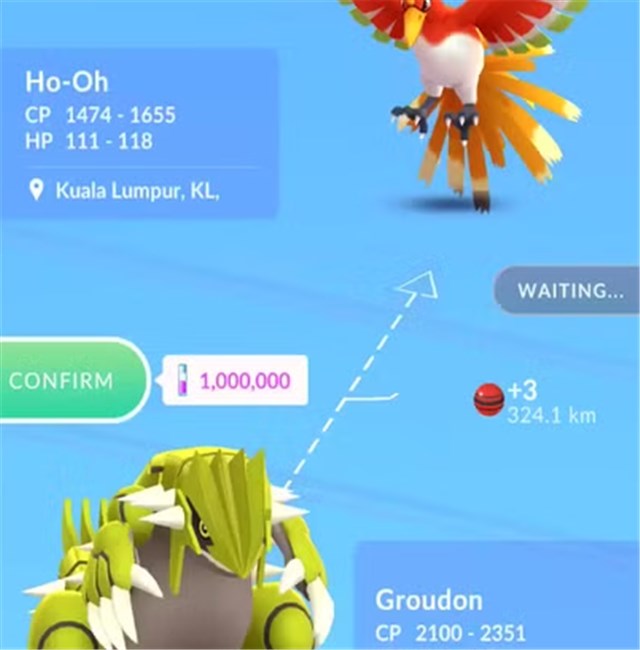
This guide provides a tested procedure to decode the changing trade rules during events, overcome the daily limits, and coordinate your exchanges efficiently. Whether you are dealing with Special Trades or researching topics like Pokémon Go trade evolution, these methods help you manage your resources wisely and avoid unnecessary mistakes. By applying these methods, you will regain control over your in-game resources and execute every exchange successfully.
Table of ContentsHide
What is a Special Trade? Identifying Triggers
When engaging in Pokémon GO trading, it is crucial to understand exactly which creatures trigger a special status. A common mistake for players is starting an exchange only to receive an unexpected Stardust warning message. This classification occurs whenever you attempt to send or receive specific categories of rare Pokémon.
Here is the exact checklist of Pokémon that require a special transaction:
- Shiny Pokémon: Any creature with a shiny variation triggers this rule. You must complete a special transaction even if both players already own the shiny version.
- Legendary Pokémon: Rare catches, such as Mewtwo, Rayquaza, or Articuno, always require this specialized exchange.
- Purified Pokémon: Creatures rescued from Team GO Rocket and subsequently purified fall under this category.
- Unregistered Pokédex Entries: Any Pokémon that is not currently registered in the receiving player’s Pokédex. This includes regional exclusives (like Tropius or Relicanth), new regional forms (such as Alolan or Galarian variants), or alternate event costumes.
If your target creature falls into any of the allowed rare categories, the game software mandates a special exchange. Knowing these triggers allows you to plan your daily local meetups effectively and prevents wasted time during physical coordination.
Real-World Trade Scenarios: Costs, IVs, and Lucky Friends
Executing a rare exchange requires careful resource planning. Instead of guessing how much your next meetup will cost, let us examine three common real-world scenarios. Understanding these situations will help you prepare your Stardust reserves accurately.
Scenario A: Trading a New Shiny or Legendary
Example: Player 1 wants to give Player 2 a Shiny Charizard, but Player 2 has never caught a Shiny Charizard before.
Because this is an unregistered shiny, the game applies the maximum possible penalty. At the base “Good Friend” level, this exchange will cost both players 1,000,000 Stardust. This exorbitant cost is why players almost never complete these exchanges with strangers. You must spend 90 days interacting to reach “Best Friend” status, which drops the cost to a manageable 40,000 Stardust.
Scenario B: Trading a New Regional or Normal Form
Example: Player 1 travels to Florida and brings back a normal Heracross for Player 2, who has never registered Heracross in their Pokédex.
Because Heracross is not shiny and not legendary, it avoids the million-Stardust penalty. However, because it is unregistered, it still counts as a Special Trade. At the “Good Friend” level, this regional exchange costs 20,000 Stardust. If you build your friendship up to the “Best Friend” level, this cost drops to a mere 800 Stardust.
Scenario C: The Coordinated Lucky Trade
Example: Two Best Friends want to exchange Registered Legendaries to improve the creatures’ battle stats.
When you trade any Pokémon, its Individual Values (IVs) automatically reroll. A perfect 3-star catch can turn into a 0-star disappointment once it reaches your friend’s account. This unpredictable stat reroll is exactly why experienced players coordinate Lucky Trades.
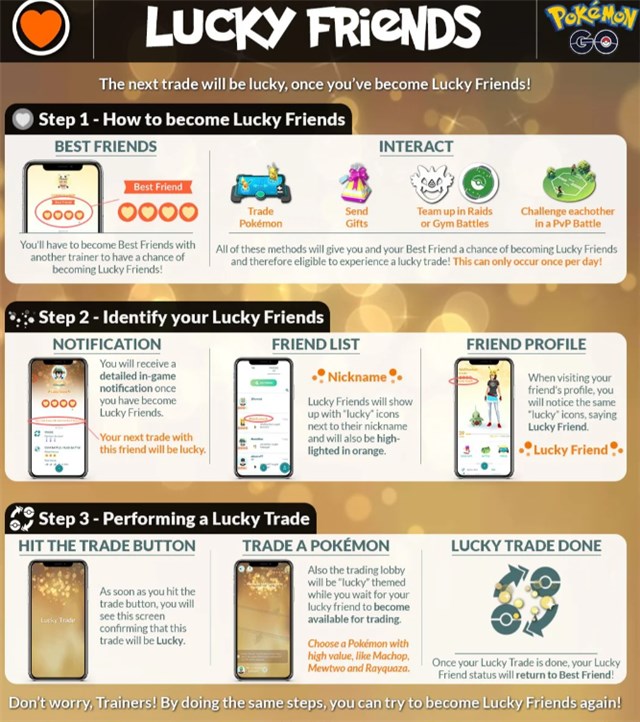
Once you reach the 90-day “Best Friend” milestone, your first daily interaction (opening a gift, battling together, or doing a standard trade) has a small chance to trigger “Lucky Friend” status. You can track this easily: the game will send a notification, and your friend’s name will glow with a bright golden aura on your friend list. Your next exchange is guaranteed to be a “Lucky Trade.” The resulting Pokémon will have a glowing background, its power-up Stardust cost will be cut in half, and most importantly, its IVs will have a guaranteed minimum floor of 12/12/12.
Mastering the Stardust Cost Through the Friend System
The turning point for any player’s game economy occurs when they realize how heavily the friend system dictates trading expenses. Building higher friendship levels is the only approved method to reduce these massive fees.
Here is the precise Stardust cost breakdown for Unregistered Shiny or Legendary trades:
- Good Friend (1 Day of interaction): 1,000,000 Stardust
- Great Friend (7 Days of interaction): 800,000 Stardust
- Ultra Friend (30 Days of interaction): 80,000 Stardust
- Best Friend (90 Days of interaction): 40,000 Stardust
Here is the Stardust cost breakdown for Standard Unregistered Pokémon (e.g., Regionals) OR Registered Shiny/Legendary trades:
- Good Friend: 20,000 Stardust
- Great Friend: 16,000 Stardust
- Ultra Friend: 1,600 Stardust
- Best Friend: 800 Stardust
Expert Insight into Game Design: These mechanics are meticulously designed to control the exchange of rare Pokémon. Because these transactions can significantly impact player progression and regional balance, the game limits them and applies high Stardust costs. This specific architecture intentionally maintains a balanced global economy, ensuring players cannot simply create alternate accounts to farm rare catches.
To manage your costs efficiently, you must prioritize daily interactions. Sending gifts, battling together in raids, and trading standard creatures over 90 days unlocks the massive 96 percent discount. This structured procedure transforms a devastating one-million Stardust requirement into an affordable transaction.
Overcoming the Daily Limit During Events
Under standard conditions, you are strictly capped at one special transaction per day, per account. This restriction enforces the game’s balance mechanics. For highly active players aiming to fill out their Pokédex quickly, this daily limit acts as a significant operational bottleneck.
There is a reliable solution for players looking to maximize their daily volume. During specific global and local events, the developers temporarily alter the rules. Events such as monthly Community Days, annual Pokémon GO Tours, and global GO Fests frequently feature bonuses that allow for two, or occasionally up to six, special transactions in a single day.
To successfully execute multiple exchanges during these limited windows, you must prepare in advance:
- Stockpile Stardust: Even with a maximum friendship discount, executing multiple rare transactions in one afternoon will drain your reserves quickly. Farm resources in the weeks leading up to the event by catching everything in sight and hatching eggs.
- Coordinate Locally: Pre-arrange meetups with your trusted Best Friends. Decide exactly which Pokémon will be exchanged beforehand to ensure you can execute the transfers efficiently during the limited event hours.
- Verify the Today View: Always check the active bonuses in the ‘Today View’ tab of your application. This screen confirms the increased limit is currently active in your specific local time zone.
Planning your expenditures around these specific events is the optimal technique for completing your Pokédex and maximizing your resources.
Distance Mechanics and Safe Coordination Requirements
A major technical obstacle players face when setting up an exchange is the strict physical proximity requirement. The standard game rules dictate that both devices must be within exactly 100 meters of each other. Attempting to bypass local protocols with third-party location modification software is a direct violation of the developer’s terms of service. This approach carries a severe safety risk, including permanent account termination. The only approved and reliable procedure is to execute a safe, coordinated local meetup.
To ensure a successful connection, strictly follow this secure method:
- Select a Public Location: Choose well-lit, public areas such as parks, local coffee shops, or heavily populated sponsored Gym locations to meet your trading partner.
- Verify GPS Signals: Ensure both smartphones have strong, unobstructed GPS reception. Weak signals cause in-game avatars to drift beyond the mandatory 100-meter radius. If your avatar drifts too far away from your partner, the game disables the confirmation button entirely.
- Confirm Account Resources: Before traveling to the location, communicate with your partner. Confirm both parties possess the necessary Stardust and ensure neither person has already consumed their daily limit.
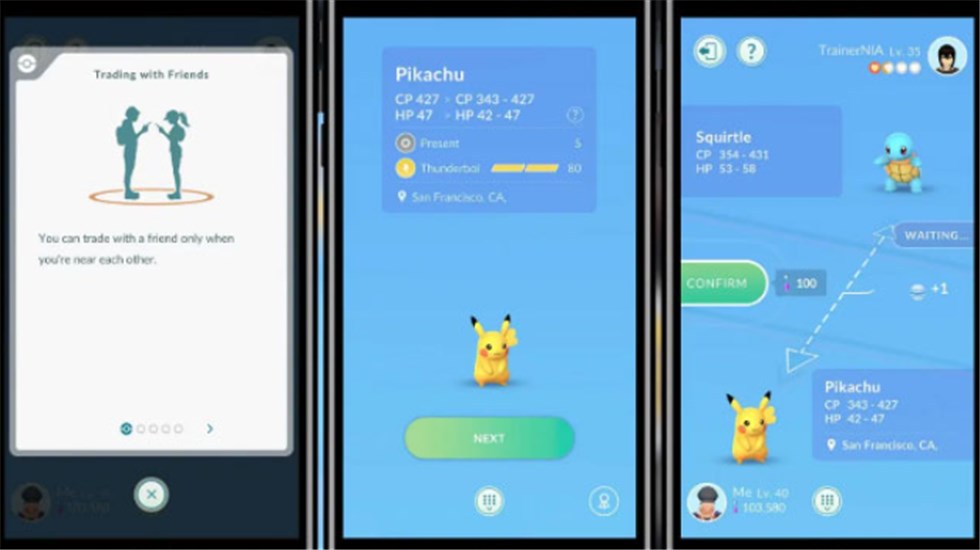
Understanding these background mechanics ensures you avoid connection failures at the exact moment of exchange. Adhering to the 100-meter rule and focusing on secure community meetups remains the correct technique for successful interactions.
Preparing for Regional Pokémon Trades More Efficiently
One of the biggest challenges when completing a Pokédex is obtaining region-exclusive Pokémon that are unavailable in your area. While local communities, special events, and international travelers remain the most common sources of these Pokémon, many trainers also look for ways to explore Pokémon GO content from different locations before arranging future trades.
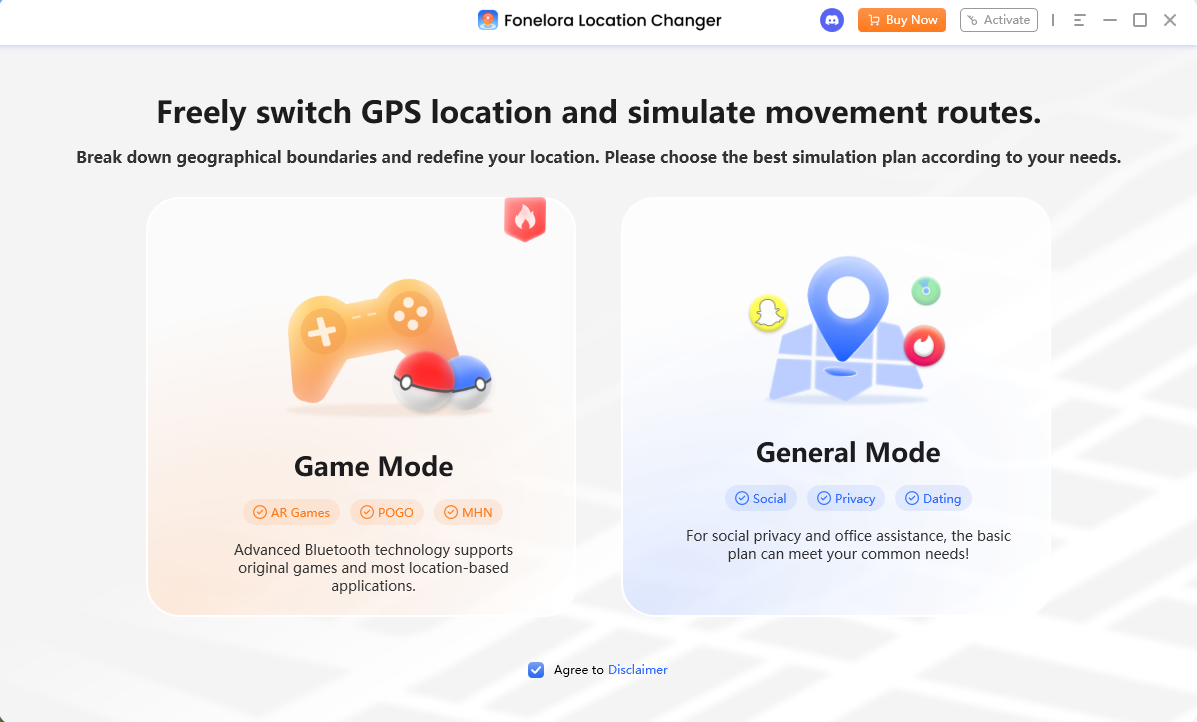
Fonelora Location Changer allows users to modify their device’s GPS location on iPhone and Android without jailbreak or root access. This can be useful for exploring different Pokémon GO regions, checking which Pokémon are available in specific locations, and planning future regional Pokémon collection strategies.
Frequently Asked Questions
- What is a Special Trade in Pokémon GO?
- It is a restricted exchange mechanism required for moving rare creatures between accounts. It is limited by a strict daily cap and requires a significantly higher Stardust cost compared to standard exchanges.
- Which Pokémon count as a Special Trade?
- The required triggers include any Shiny Pokémon, Legendary Pokémon, Purified Pokémon, or any creature (including normal regional variants or new forms) not currently registered in the receiving player’s Pokédex.
- Why are these specific trades so expensive?
- High Stardust costs exist to balance the game’s economy. This design prevents players from easily distributing rare catches to new or alternate accounts, preserving the challenge of completing the Pokédex.
- How many can you do per day?
- Under normal gameplay conditions, the limit is exactly one per day, per account.
Conclusion
Mastering Pokémon GO’s Special Trade system is the key to saving Stardust, maximizing Lucky Trades, and completing your Pokédex efficiently. By understanding friendship discounts, daily trade limits, event bonuses, and regional Pokémon trading strategies, you can avoid costly mistakes and make every trade count.
For trainers still missing region-exclusive Pokémon, planning ahead is just as important as managing Stardust. In addition to following global events and connecting with local communities, some players use tools like Fonelora Location Changer to explore Pokémon GO content from different regions and better understand where specific Pokémon are available. With support for GPS location changes on both iPhone and Android devices without jailbreak or root access, it offers a convenient way to explore location-based gameplay from home.
Whether you’re preparing for your next Lucky Trade, hunting for regional Pokémon, or working toward a complete Pokédex, combining smart trading strategies with the right tools can help you reach your collection goals faster.


Hot Topics
