MDM Does Not Allow Factory Reset? How to Fix It on Samsung
If your Samsung says MDM does not allow factory reset or MDM mode can’t erase userdata, the device is still managed by an organization or security policy. This guide explains why reset is blocked, what you can try first, and when to use Samsung MDM removal tools.
Is MDM activated on your Samsung device? Are you unable to factory reset your phone because of MDM? When your phone shows messages like “MDM does not allow factory reset,” “MDM mode can’t erase userdata,” or “MDM download block not allow,” the device is usually restricted by a Mobile Device Management policy.
This can be frustrating, especially if you own the phone and just want to reset it. In this guide, you will learn what MDM means on Samsung, why it blocks factory reset, how to remove MDM lock with proper authorization, what to do when erase userdata or Download Mode is blocked, and which Samsung MDM removal tools you can consider.
Quick Answer: If your Samsung says “MDM does not allow factory reset” or “MDM mode can’t erase userdata,” the reset is blocked by a Mobile Device Management policy. The safest fix is to remove the device from the MDM console with administrator permission or contact your IT department. If you own the device and cannot access the admin account, a Samsung MDM removal tool may help, but compatibility and data risk should be checked first.
What Does “MDM Does Not Allow Factory Reset” Mean?
MDM stands for Mobile Device Management. It is commonly used by companies, schools, carriers, and device administrators to manage Android phones and tablets remotely. On Samsung devices, MDM can enforce security policies, restrict settings, block factory reset, control app installation, track device status, and prevent unauthorized changes.
When you see “MDM does not allow factory reset,” it means your Samsung phone is still under a management policy. The administrator has restricted factory reset to protect the device, data, or organization policy. In this case, resetting the phone from Settings, Recovery Mode, Download Mode, or other wipe routes may fail.
This issue often appears on:
- Company-owned Samsung phones or tablets.
- School or organization-managed devices.
- Carrier-controlled or financed devices.
- Second-hand Samsung phones that were not properly unenrolled.
- Devices protected by MDM, KG, RMM, or similar security controls.
If you are trying to reset a locked Samsung phone, you can also read this guide about how to factory reset a Samsung phone when locked. However, if MDM is active, normal reset methods may still be blocked until the management restriction is removed.
Why MDM Blocks Factory Reset on Samsung
MDM is designed to protect managed devices. If any user could erase a managed Samsung phone freely, the organization might lose control of the device, business data, tracking features, and security settings. That is why many MDM policies block factory reset by default.
1. Security Protection
Factory reset removes user data and settings. On a managed device, this could expose business data, erase important configurations, or make the device hard to recover. MDM blocks reset to prevent unauthorized access and data misuse.
2. Corporate Control
Companies and schools use MDM to keep devices compliant with internal policies. If users can reset managed devices freely, the administrator may lose control over device settings, app rules, Wi-Fi profiles, security restrictions, and monitoring policies.
3. Anti-Theft Protection
MDM can help reduce theft or unauthorized resale. If a lost or stolen Samsung phone is managed, blocking factory reset makes it harder for someone else to wipe the device and use it as their own.
4. Device Tracking and Recovery
Some MDM systems include tracking, remote lock, and remote wipe features. If factory reset is allowed without restriction, these features may stop working. Blocking reset helps administrators locate or recover managed devices.
5. KG, RMM, or Enrollment Status
On some Samsung devices, MDM restrictions may work together with KG, RMM, or enterprise enrollment status. This can cause errors like “MDM mode can’t erase userdata” or “MDM download block not allow” when you try to wipe, flash, or reset the phone.
How to Remove MDM Lock from Samsung
If MDM does not allow factory reset on Samsung, you need to remove or release the device from management first. Choose the method that matches your situation.
1. Use the Administrator Account and Password
If you have access to the MDM administrator account, this is the safest and most official way to remove MDM from Samsung. Once the device is removed from the MDM console, you may be able to reset or use it normally.
- Step 1. Open the MDM platform used to manage your Samsung device.
- Step 2. Log in with the administrator account and password.
- Step 3. Find the Samsung phone or tablet you want to remove.
- Step 4. Choose the option to unenroll, remove, release, or delete the device from management.
- Step 5. Enter the administrator password, one-time code, or required confirmation if prompted.
- Step 6. Restart the Samsung device and check whether the factory reset restriction is removed.
Different MDM platforms may use different menu names. Look for options such as Unenroll Device, Remove Device, Retire Device, Delete Device, or Release from Management.
2. Contact Your IT Department or Device Owner
If the Samsung phone belongs to a company, school, or organization, contact the IT department or the original administrator. They can confirm whether the device should stay managed, remove it from the MDM console, or provide a proper reset process.
This is especially important for second-hand Samsung devices. If the previous owner did not remove MDM before selling the phone, ask them to release the device from their MDM account. A factory reset alone usually cannot solve an active MDM restriction.
3. Use a Samsung MDM Removal Tool
If you own the Samsung device and cannot access the administrator account, a Samsung MDM removal tool may be an option. These tools are designed for users who need to remove management restrictions from their own devices, but their effectiveness depends on the model, Android version, security patch, KG/RMM status, and MDM type.
Important: Only use MDM removal tools on a device you own or are authorized to manage. Compatibility varies by Samsung model, Android version, KG/RMM status, and security patch. Back up important data first whenever possible, because some operations may erase data or fail if the device is still strongly restricted.
For a dedicated list of tools, you can check this review of Samsung MDM unlock tools.
Fix MDM Mode Can’t Erase Userdata or Download Block Not Allow
Some Samsung users do not only see “MDM does not allow factory reset.” They may also see errors like “MDM mode can’t erase userdata,” “MDM download block not allow,” or similar messages when trying to wipe, flash, or reset the device.
These messages usually mean the phone is blocking low-level wipe or flashing operations because it is still protected by MDM, KG, RMM, or an enterprise policy.
| Error Message | What It Means | What to Try |
|---|---|---|
| MDM does not allow factory reset | The device is managed and factory reset is restricted by policy. | Remove the device from MDM with administrator access or contact IT. |
| MDM mode can’t erase userdata | The wipe command is blocked by MDM, KG, RMM, or enterprise protection. | Confirm ownership, remove the management profile, or use a compatible MDM removal tool. |
| MDM download block not allow | Download Mode, flashing, or firmware operation is restricted. | Avoid repeated flashing attempts and check whether the device is enrolled or locked by KG/MDM. |
What You Should Do First
- Confirm that the Samsung device is yours or you are authorized to manage it.
- Ask the original owner, company, school, or administrator to remove MDM from the console.
- Check whether the device is carrier-financed, KG-locked, or enterprise-enrolled.
- Avoid repeated flashing attempts if Download Mode is blocked.
- Use an MDM removal tool only after confirming compatibility and risks.
If the device is locked by screen password rather than MDM, a different Android unlocking solution may be needed. You can compare more options in this guide to Android phone unlocking software.
Top Samsung MDM Removal Tools to Consider
When administrator access is not available and you are authorized to work on the device, you may consider a Samsung MDM removal tool. The tools below are commonly mentioned by users dealing with Samsung MDM restrictions. Check device compatibility carefully before using any tool.
Top 1. Apkation
Apkation is a Samsung MDM removal option that some users choose for removing device management restrictions. It may be useful when the device model and Android version are supported.
Before using it, check whether your Samsung model, Android version, and security patch are compatible. Also make sure you understand whether the process may erase data or require technical operations.
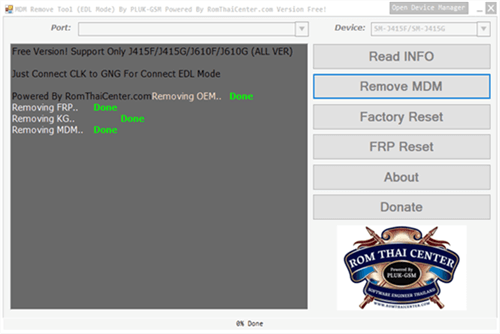
Top 2. EDL Mode
EDL Mode is another option mentioned for Samsung MDM removal. It is usually used in technical repair or servicing scenarios and may require supported hardware mode, correct drivers, and compatible firmware or tool access.
This method is not suitable for every Samsung device. If your device does not support the required mode, or if Download Mode is blocked by MDM/KG/RMM, it may fail.
EDL Mode
Top 3. PLUK-GSM
PLUK-GSM Samsung MDM Unlock Tool is another tool option users may consider for Samsung MDM restrictions. It may support certain Samsung models and specific device conditions.
As with any MDM tool, do not assume universal compatibility. Check whether your device model, firmware, KG/RMM status, and Android security patch are supported before starting.
PLUK-GSM
Tool Selection Tip: If your Samsung shows “MDM mode can’t erase userdata” or “MDM download block not allow,” choose a tool only after confirming that it supports your exact model and lock status. If you are unsure, contact the device administrator, seller, or tool support team before proceeding.
MDM vs FRP: What If Google Verification Appears After Reset?
MDM and FRP are not the same thing. MDM is a device management restriction controlled by an organization, school, carrier, or administrator. FRP, short for Factory Reset Protection, is Google’s account verification feature that may appear after a factory reset.
If your Samsung device only says “MDM does not allow factory reset,” you are dealing with MDM first. If you manage to reset the phone and then see a Google account verification screen, you are dealing with FRP after reset.
For FRP-related issues on Samsung, DroidKit can help bypass Google account verification on supported Samsung devices. This does not mean DroidKit removes every MDM restriction. Use it when the issue is Google FRP after reset, not when the phone is still blocked by an active MDM policy.
You can also compare more Samsung-specific FRP methods in this Samsung FRP lock bypass guide or review more Samsung FRP tool options.
DroidKit – Bypass Samsung FRP After Reset
If your Samsung is no longer blocked by MDM but gets stuck on Google account verification after reset, DroidKit can help bypass FRP on supported Samsung devices with guided steps on a computer.

How to Bypass FRP on Samsung with DroidKit
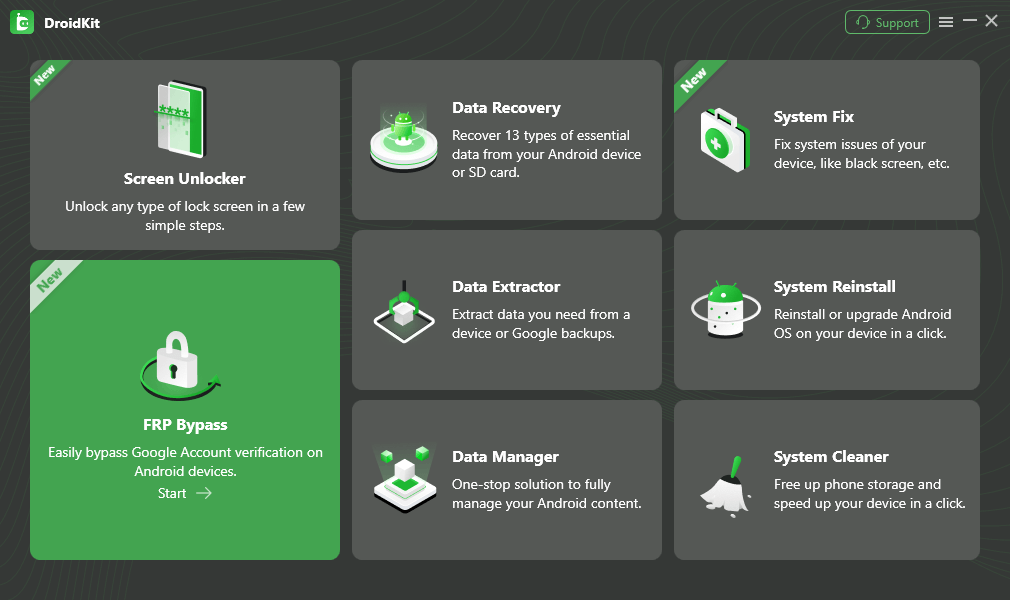
Step 1. Launch DroidKit on your computer and click the FRP Bypass option.
Choose FRP Bypass Mode
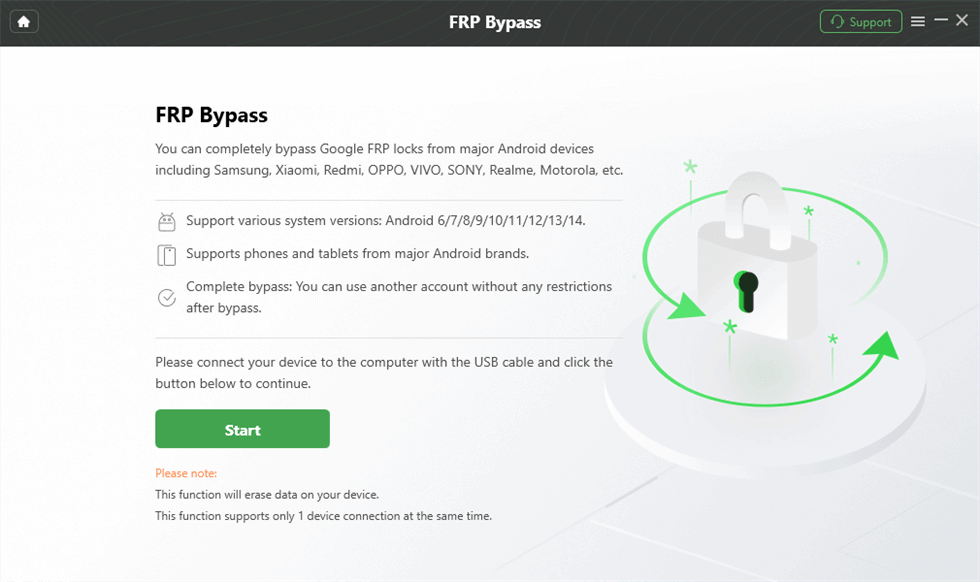
Step 2. Connect your Samsung phone to the computer via USB and click Start. Then select Samsung as the device brand.
Connect Device and Click Start
Step 3. Wait for DroidKit to prepare the configuration file. Then click Start to Bypass.
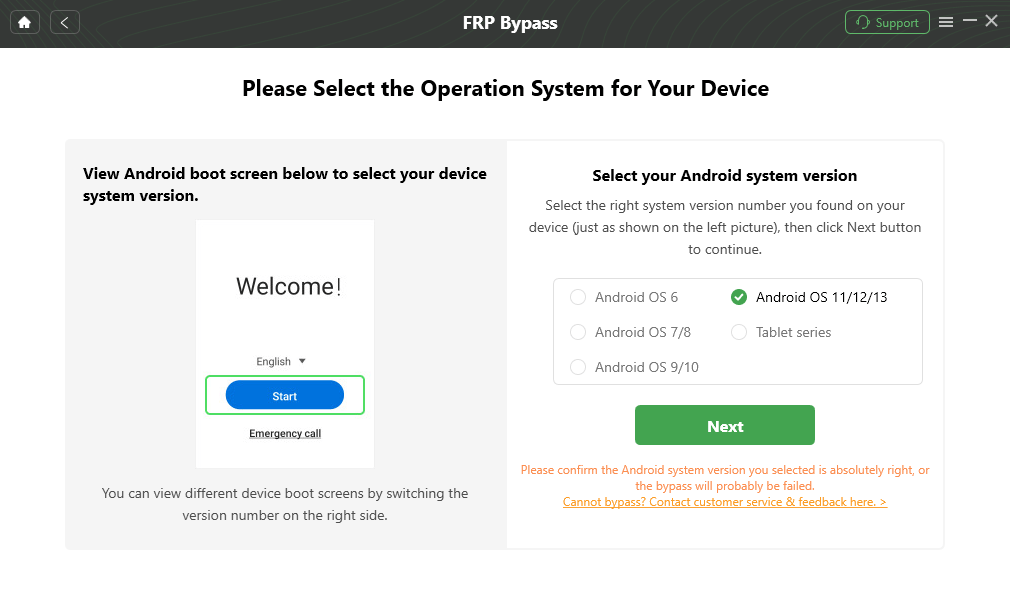
Choose System Version
Step 4. Choose your device’s Android system version and click Next. Follow the on-screen instructions to complete the corresponding settings on your Samsung phone.
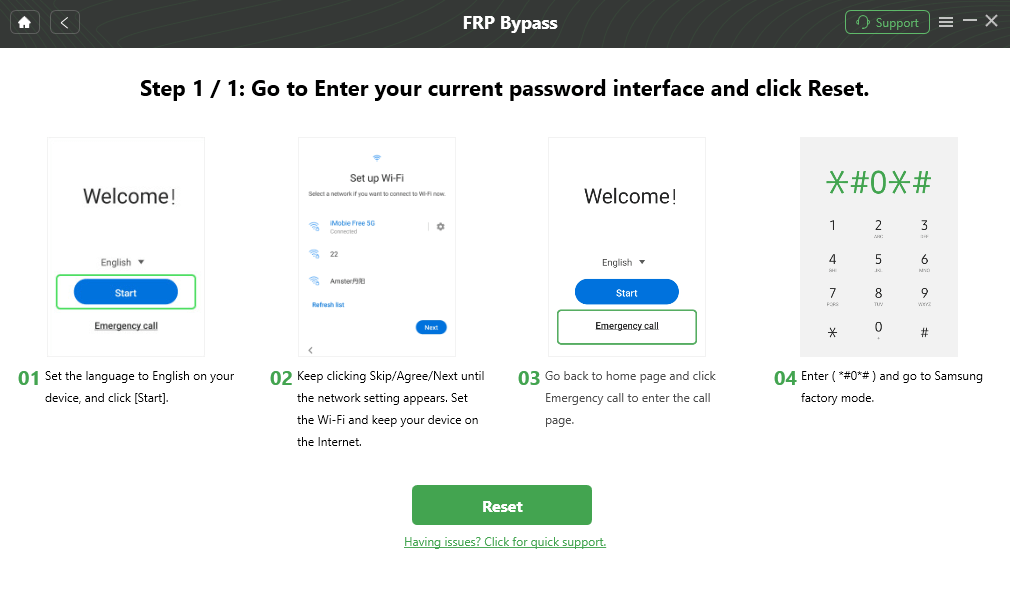
Complete Corresponding Settings
Step 5. Once the process is complete, your Samsung phone will restart and the FRP process will be finished.
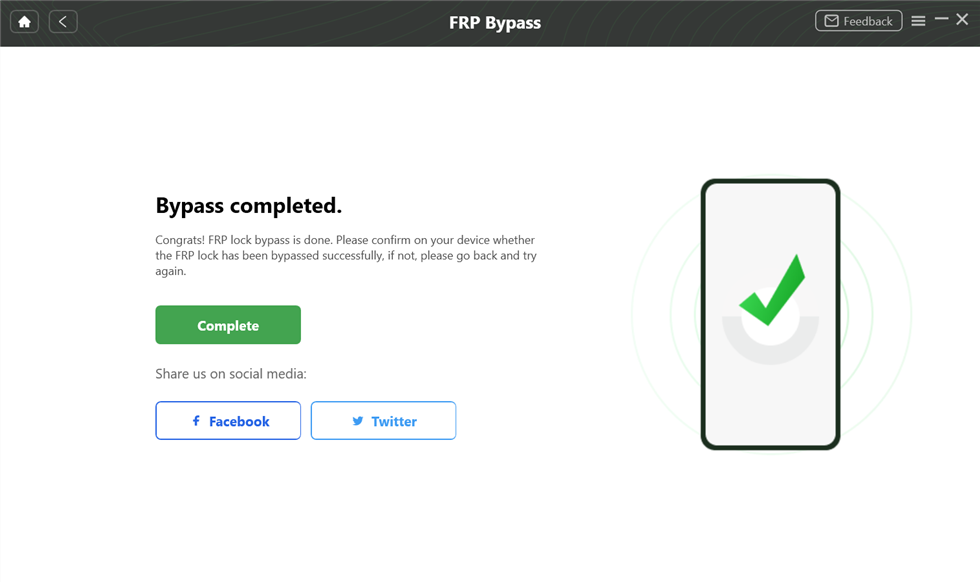
FRP Bypass Complete
Free Download * 100% Clean & Safe
Frequently Asked Questions
What does “MDM does not allow factory reset” mean?
It means your Samsung device is managed by an MDM policy that blocks factory reset. This usually happens on company, school, carrier-managed, or previously enrolled devices.
How do I fix “MDM mode can’t erase userdata”?
First, confirm that you own or are authorized to manage the device. Then remove the device from the MDM console with administrator access or contact the IT department. If admin access is unavailable, a compatible Samsung MDM removal tool may be required.
Can factory reset remove MDM from Samsung?
Usually no. If MDM is active, the device may block factory reset or re-enroll after reset. The safer solution is to remove the device from MDM management before resetting it.
What does “MDM download block not allow” mean?
It usually means the device restricts Download Mode, flashing, or wipe operations through MDM, KG, or RMM protection. Repeated flashing attempts may fail unless the management restriction is removed first.
Is MDM the same as FRP?
No. MDM is a device management policy used by organizations, while FRP is Google Factory Reset Protection. If Google verification appears after reset, you are dealing with FRP, not only MDM.
The Bottom Line
When Samsung says “MDM does not allow factory reset,” the phone is still under a management policy. A normal reset, Recovery Mode wipe, or flashing attempt may fail until the MDM restriction is removed. The safest solution is to use administrator access or contact the IT department or original device owner.
If you own the Samsung device and cannot access the administrator account, a Samsung MDM removal tool may help, but compatibility should be checked carefully. If the device is successfully reset and then asks for Google account verification, that is an FRP issue, and a supported FRP bypass solution such as DroidKit may be useful.
More Related Articles



Joy Taylor is a seasoned technical writer with over a decade of experience in mobile technology. At iMobie, she specializes in producing in-depth content on iOS data recovery, iPhone unlocking solutions, and iOS troubleshooting.
Product-related questions? Contact Our Support Team to Get Quick Solution >
