Samsung Reactivation Lock vs FRP: What Works After Reset
Stuck on a Samsung account lock after reset? Learn the difference between Samsung Reactivation Lock and Google FRP, the safe recovery paths to try first, and when a supported FRP tool may be relevant.
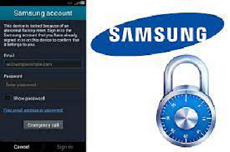
Samsung Reactivation Lock
If a Samsung phone asks for a Samsung Account or a Google Account after a reset, the first step is not to try random bypass tricks. You need to identify which lock you are seeing. Samsung Reactivation Lock, Google FRP, and a normal screen lock are different problems, and each one has a different recovery path.
This guide explains what Samsung Reactivation Lock means, why old Privacy Policy or Emergency Call bypass methods are unreliable, and what to do if the phone is actually blocked by Google FRP after a factory reset.
Quick Answer: Can You Bypass Samsung Reactivation Lock?
Samsung Reactivation Lock is a Samsung Account-based security feature on some older Galaxy devices. It is different from Google FRP. The safest way to remove it is to sign in with the original Samsung Account, remove the device from Find My Mobile, or contact Samsung Support with proof of purchase. Avoid relying on old Privacy Policy or Emergency Call bypass tricks because they may fail on newer software and can create security risks.
If the screen asks for the previous Google Account instead of a Samsung Account, you are dealing with Google FRP. In supported cases, a tool like DroidKit may help with FRP, but it may erase device data and should be used only on a device you own or are authorized to unlock.
Samsung Reactivation Lock vs Google FRP vs Screen Lock
Before choosing a method, compare the message on your phone with the lock types below.
| Lock Type | What You See | Main Recovery Path | DroidKit Relevance |
|---|---|---|---|
| Samsung Reactivation Lock | Samsung Account sign-in or reactivation message | Original Samsung Account, Find My Mobile removal, or Samsung Support | Low; this is not Google FRP |
| Google FRP / Google Device Protection | Google Account verification after factory reset | Original Google Account, account recovery, Samsung proof-of-purchase support, or supported FRP tool | Medium-high in supported cases |
| Screen Lock | PIN, pattern, password, fingerprint, or face lock before entering the phone | Known unlock method, backup, reset, or supported screen unlock tool | Medium, but it is a different problem |
What Is Samsung Reactivation Lock?
Samsung Reactivation Lock is a protection feature linked to a Samsung Account on some older Samsung Galaxy devices. When it is enabled, the phone may require the Samsung Account ID and password before the device can be reactivated after reset. It was designed to discourage unauthorized reuse if the phone is lost or stolen.
On many newer Android and Samsung devices, users more often encounter Google FRP or Google Device Protection after a reset. That is why it is important to check whether the phone asks for a Samsung Account or a Google Account.
Before You Try Anything: Ownership, Data Loss, and Proof of Purchase
Account-based locks are security features. Use recovery methods only on a device you own or are authorized to unlock. If you bought a used Samsung phone, contact the seller first and ask them to remove the device from their Samsung or Google account.
- Backups matter: Remote wipe, factory reset, and some FRP bypass processes may erase data.
- Account recovery comes first: Try recovering the Samsung Account or Google Account before using any tool.
- Proof of purchase helps: If you legally own the device and cannot access the original account, Samsung Support may request proof of purchase.
- Be careful with used phones: A seller who cannot remove the account lock may not be the legitimate owner.
Method 1. Sign In with the Original Samsung Account
The most reliable way to remove Samsung Reactivation Lock is to sign in with the Samsung Account that was previously used on the device.
- Connect the Samsung phone to a stable Wi-Fi network.
- Enter the Samsung Account ID and password shown on the lock screen.
- If you forgot the password, use Samsung account recovery from another trusted device or browser.
- After you regain access, remove the Samsung Account from the phone before selling, resetting, or giving it away.
This method is the safest because it verifies ownership instead of trying to bypass the lock.
Method 2. Remove the Device from Samsung Find My Mobile
If the previous owner or account owner can access the Samsung Account online, they may be able to manage the phone through Samsung Find My Mobile. T-Mobile's Samsung Reactivation Lock support instructions describe using Find My Mobile to wipe the device and then remove it from the account.
- On a computer, visit Samsung Find My Mobile .
- Sign in with the Samsung Account linked to the locked device.
- Select the locked Samsung phone if it appears in the device list.
- Use the available wipe or erase option if needed.
- After the device is erased, choose the option to remove it from the account if available.
The exact buttons and availability can vary by device, region, and Samsung account settings. If the phone belongs to a previous owner, ask them to complete this step instead of sharing their password with you.
Method 3. Contact Samsung Support with Proof of Purchase
If you legally own the Samsung phone but cannot recover the Samsung Account or Google Account, contact Samsung Support. For Google Device Protection cases, Samsung says users who cannot remember Google account information can send the device with proof of purchase to an authorized Samsung Service Center.
Prepare these items before contacting support:
- Purchase receipt or invoice
- Device IMEI or serial number
- Your contact information
- A clear explanation of whether the phone asks for a Samsung Account or a Google Account
This is usually the safest option for second-hand devices when the seller cannot help but you have valid purchase documentation.
What About Privacy Policy or Emergency Call Bypass Tricks?
You may see old tutorials that claim Samsung Reactivation Lock can be bypassed through a Privacy Policy page, keyboard settings, Emergency Call, or other setup-screen shortcuts. These tricks are unreliable and should not be treated as the main solution.
- They may work only on very old Samsung models or outdated software versions.
- They can fail after Samsung or Android security patches.
- They may create security or legal concerns if used on a device you do not own.
- They do not prove ownership of the phone.
For a locked used Samsung phone, the better path is to contact the seller, use the original account, or go through Samsung Support with proof of purchase.
What If It Is Actually Google FRP Lock?
If the screen asks for the Google Account previously synced on the Samsung phone after a factory reset, the issue is Google FRP, not Samsung Reactivation Lock. FRP is an Android ownership-verification feature that turns on after a Google Account is added to a protected device.
First try these safer options:
- Sign in with the original Google Account used on the phone.
- Recover the Google Account password and wait if Google requires a security delay.
- Ask the seller to remove the Google Account from the device or from their account settings.
- Contact Samsung Support with proof of purchase if you legally own the device.
When DroidKit FRP Bypass May Help
If you own or are authorized to unlock the device and official recovery options are unavailable, DroidKit FRP Bypass may help with Google verification on supported Android devices. This is not the same as Samsung Reactivation Lock removal.
Important: DroidKit's FRP Bypass guide states that the function will erase data on the device. It also notes that Samsung devices with security patches dated August 2023 or later are currently unable to bypass FRP. Check your model, Android version, and security patch date before starting.
Free Download * For Windows & Mac
How to Use DroidKit for Google FRP on Supported Samsung Devices
Step 1. Download and install DroidKit on your computer. Launch it and choose FRP Bypass mode.
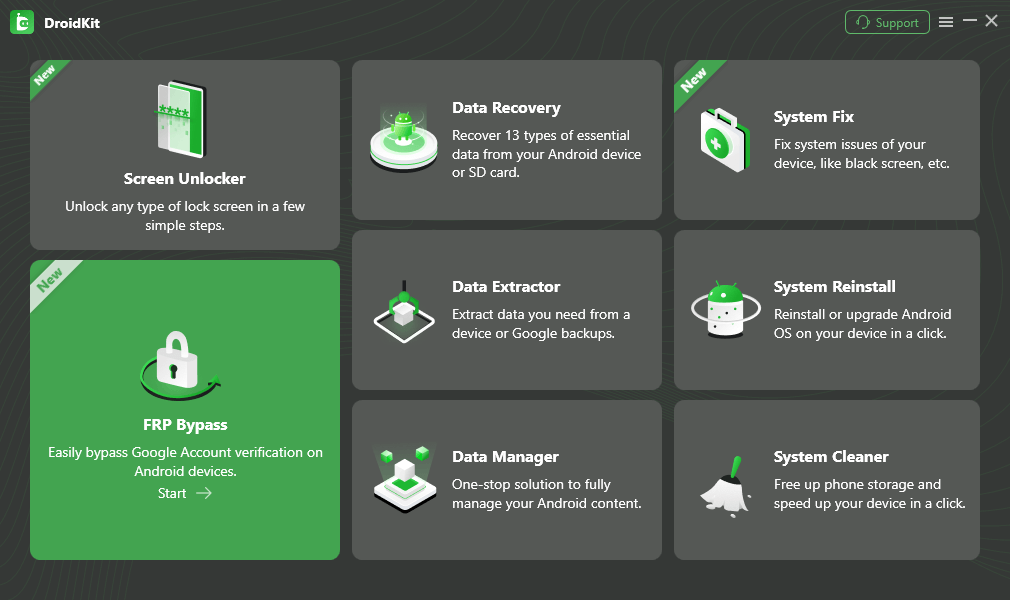
Choose FRP Bypass Mode
Step 2. Connect the Samsung device to your computer and follow the on-screen instructions. When the configuration file is ready, click Start to Bypass .
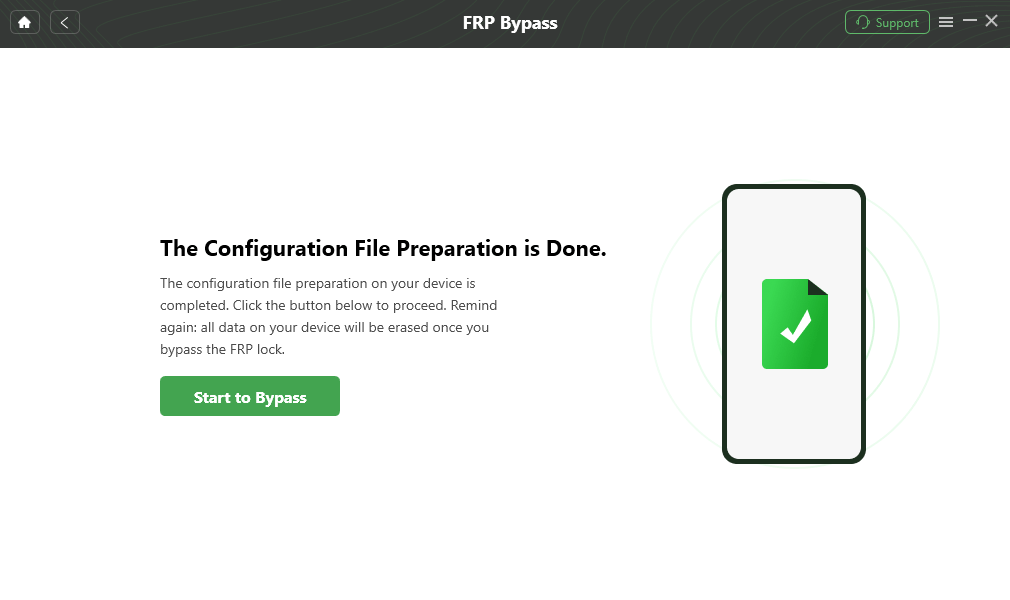
Click Start to Bypass
Step 3. Select the correct device system version. If you are not sure, follow DroidKit's on-screen recommendation and confirm the details carefully.
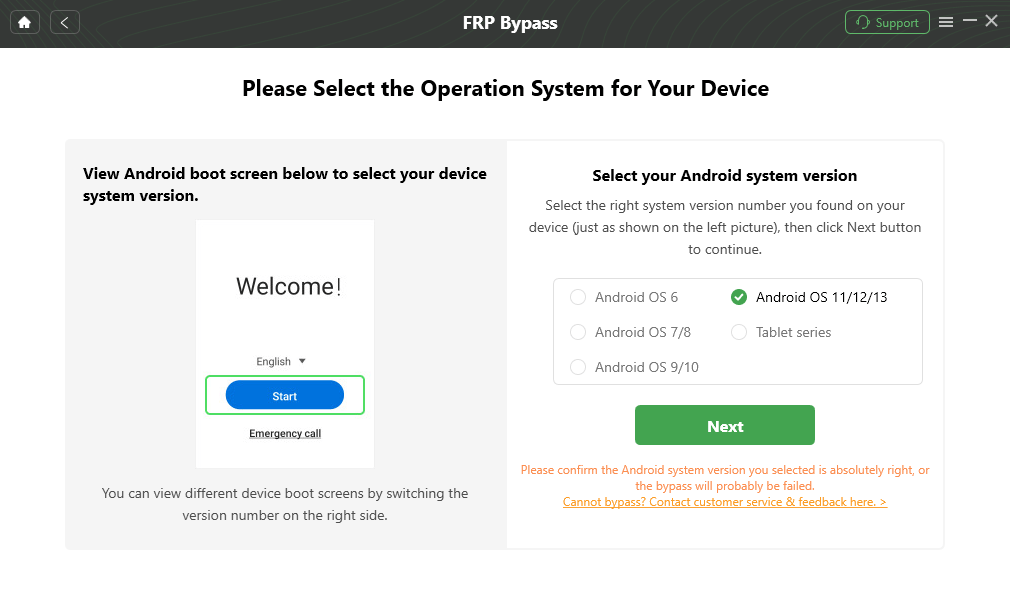
Choose System Version
Step 4. Complete the required settings on the phone exactly as shown by DroidKit. The steps may vary depending on the device brand, model, Android version, and security patch.
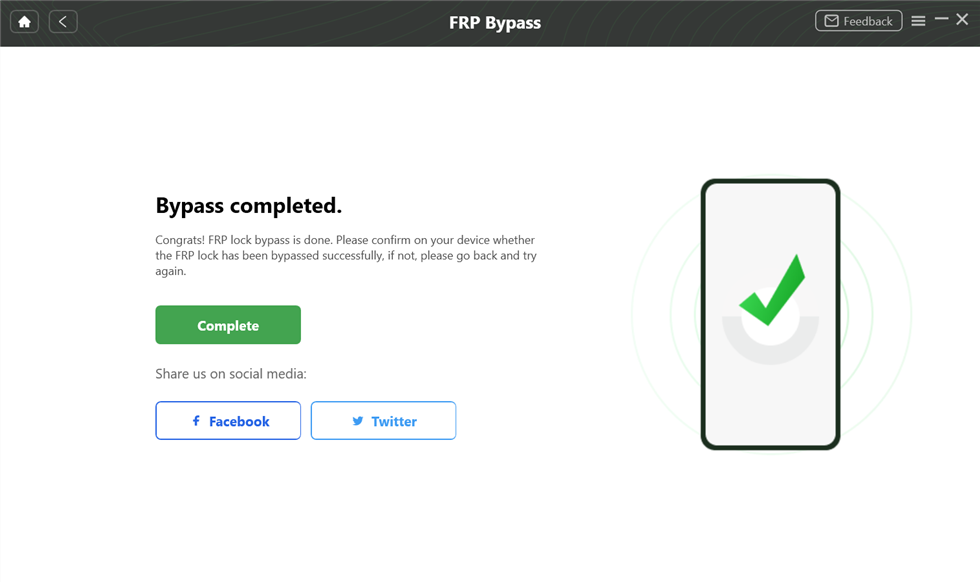
FRP Bypass Complete
FAQs About Samsung Reactivation Lock
What is Samsung Reactivation Lock?
Samsung Reactivation Lock is a Samsung Account-based security feature used on some older Galaxy devices. When enabled, it requires the Samsung Account ID and password before the device can be reset or reactivated.
Is Samsung Reactivation Lock the same as Google FRP?
No. Reactivation Lock is tied to a Samsung Account, while Google FRP or Google Device Protection is tied to the Google Account previously synced on the device. If the screen asks for a Samsung Account, it is Reactivation Lock. If it asks for a Google Account after reset, it is FRP.
Can I bypass Samsung Reactivation Lock without the original account?
The safest option is to use the original Samsung Account or ask the previous owner to remove the device from their account. If you legally own the device but cannot access the account, contact Samsung Support with proof of purchase instead of relying on old bypass tricks.
How can the previous owner remove Samsung Reactivation Lock?
The previous owner should sign in to Samsung Find My Mobile with the Samsung Account used on the device, wipe or remove the device if available, and remove it from the account. The exact options may depend on device model and region.
Do Privacy Policy or Emergency Call bypass methods still work?
They may work only on some old models or software versions and often fail on newer Samsung devices. These methods are not reliable and may raise security or legal concerns, so they should not be treated as the main solution.
What should I do if I bought a used Samsung phone with Reactivation Lock?
Contact the seller first and ask them to remove the Samsung Account from the device or provide proof of ownership. If the seller cannot help, avoid using the phone until ownership is verified, and contact Samsung Support if you have valid purchase proof.
Can DroidKit remove Samsung Reactivation Lock?
DroidKit FRP Bypass is designed for Google FRP lock on supported Android devices, not Samsung Account Reactivation Lock itself. If your Samsung phone is stuck on Google verification after reset, DroidKit may be relevant in supported cases, but it may erase device data and compatibility must be checked.
Will removing Reactivation Lock erase my data?
It depends on the method. Remote wipe, factory reset, and some FRP bypass processes can erase device data. If you can still access the phone, back up important data and remove accounts from Settings before resetting or selling the device.
The Bottom Line
Samsung Reactivation Lock and Google FRP are easy to confuse, but they are not the same lock. If the phone asks for a Samsung Account, start with the original Samsung Account, Find My Mobile, or Samsung Support with proof of purchase. If it asks for a Google Account after reset, you are dealing with FRP. DroidKit may be relevant only for supported Google FRP cases, and you should check data-loss and compatibility warnings first.
Free Download * For Windows & Mac
Related Guides You May Need



Senior writer of the iMobie team as well as an Apple fan, love to help more users solve various types of iOS & Android-related issues.
Product-related questions? Contact Our Support Team to Get Quick Solution >
