Fingerprint Not Working on Android? 9 Ways to Fix It
If your Android fingerprint scanner stops recognizing your finger, the cause may be a dirty sensor, a screen protector, dry fingers, outdated software, or corrupted fingerprint data. This guide explains the safest fixes first, then shows what to do if you cannot unlock the phone at all.
Vital Android Unlock Tips
Samsung Unlock
Quick Answer: Why Is My Android Fingerprint Not Working?
Your Android fingerprint may stop working because the sensor or your finger is dirty, wet, too dry, covered by a case or screen protector, or because the stored fingerprint data no longer matches well. It can also happen after a software update, after restarting the phone, or when Android requires your backup PIN, pattern, or password for security.
Important: Fingerprint unlock is not a replacement for your main screen lock. Android devices usually still require a PIN, pattern, or password as the backup method. If the fingerprint is not accepted, try the backup lock first before using any unlock tool or factory reset.
Why Is Fingerprint Not Working on Android?
Before changing settings or resetting your phone, check the most common causes. Many fingerprint problems are caused by physical conditions rather than a broken sensor.
- Dirty or wet sensor: Dust, oil, sweat, water, or smudges can stop the sensor from reading your fingerprint correctly.
- Dry, cracked, or injured fingers: The phone may not recognize a finger that is too dry, damaged, or scanned at a different angle.
- Screen protector interference: For in-display fingerprint sensors, a thick, low-quality, or misaligned screen protector can block recognition.
- Phone case interference: Some cases cover or touch the side fingerprint sensor and prevent full contact.
- Old fingerprint data: Fingerprint data registered before a new screen protector, case, or major software update may need to be re-added.
- Software glitches: Temporary system bugs can make biometric unlock fail until the device restarts or updates.
- Hardware damage: Scratches, cracks, water damage, or sensor failure may require repair.
What to Do If Fingerprint Does Not Unlock Your Android Phone
If fingerprint unlock fails, first enter your backup PIN, pattern, or password. After you get into the phone, remove and re-add your fingerprint, clean the sensor, check the screen protector, and update Android.
If you forgot the backup screen lock as well, the situation is different: you are dealing with a screen lock problem, not only a fingerprint problem. In that case, you may need to erase the phone, use your manufacturer’s recovery options, or use an Android screen unlock tool.
| Situation | Best Next Step | Will Data Be Erased? |
|---|---|---|
| Fingerprint fails, but you know the PIN/password | Unlock with PIN/password, then troubleshoot fingerprint settings. | No |
| Fingerprint fails after adding a screen protector | Remove or replace the protector and re-register fingerprints. | No |
| Fingerprint and backup screen lock are both unavailable | Use official recovery options or an Android screen unlocker. | Usually yes |
| Sensor is physically scratched or not responding | Contact the device manufacturer or repair provider. | Not usually, but backup first |
Unlock Android When Fingerprint and Password Are Not Working
If you cannot use fingerprint unlock and also forgot the backup PIN, pattern, or password, DroidKit Screen Unlocker can help remove common Android screen locks, including PIN, pattern, password, fingerprint, and face recognition on supported devices. Please note that removing the screen lock on most Android devices may erase device data; no-data unlocking is only available for some early Samsung models.
Free Download * 100% Clean & Safe
How to use DroidKit when you cannot unlock Android:
Step 1. Launch DroidKit on your computer, connect your Android phone with a USB cable, and choose Screen Unlocker .
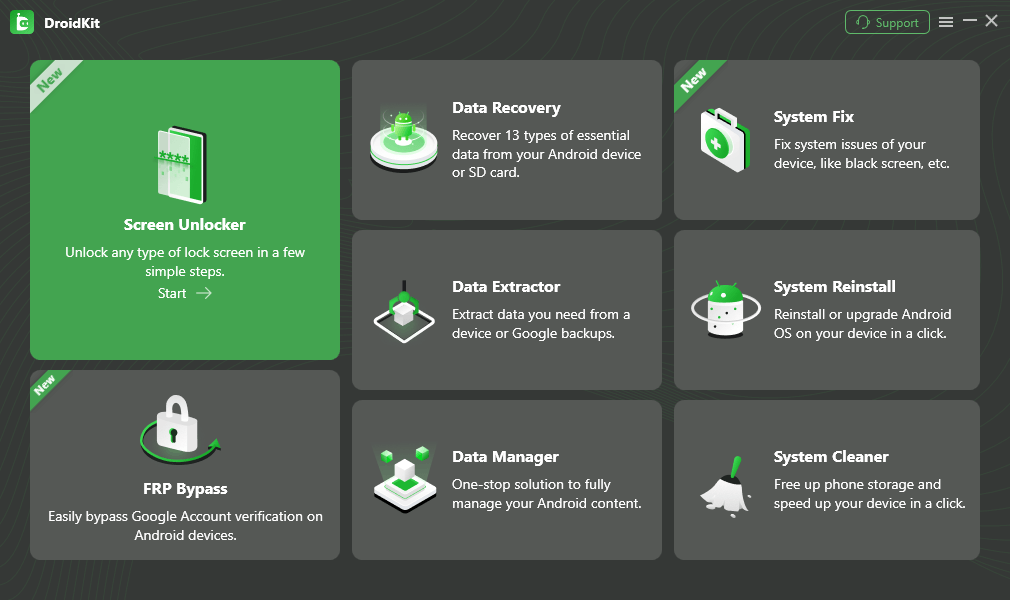
Choose Screen Unlocker
Step 2. Click Start to prepare the configuration file for your device. When it is ready, click Remove Now .
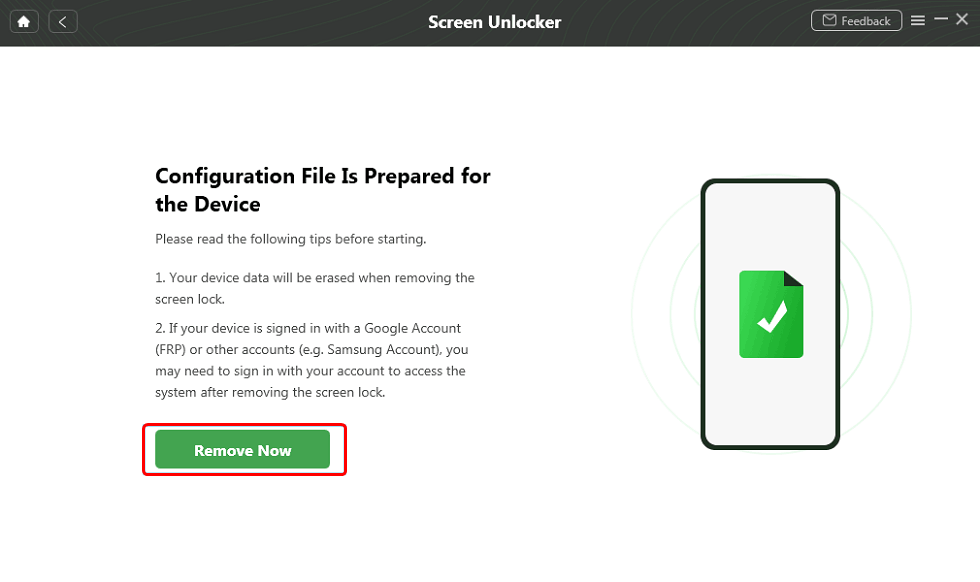
Click Remove Now Button
Step 3. Follow the on-screen instructions to put your device into the required mode.

Finish Settings on Samsung
Step 4. Wait for DroidKit to remove the screen lock. After the process completes, you can set up a new screen lock and re-add fingerprints.
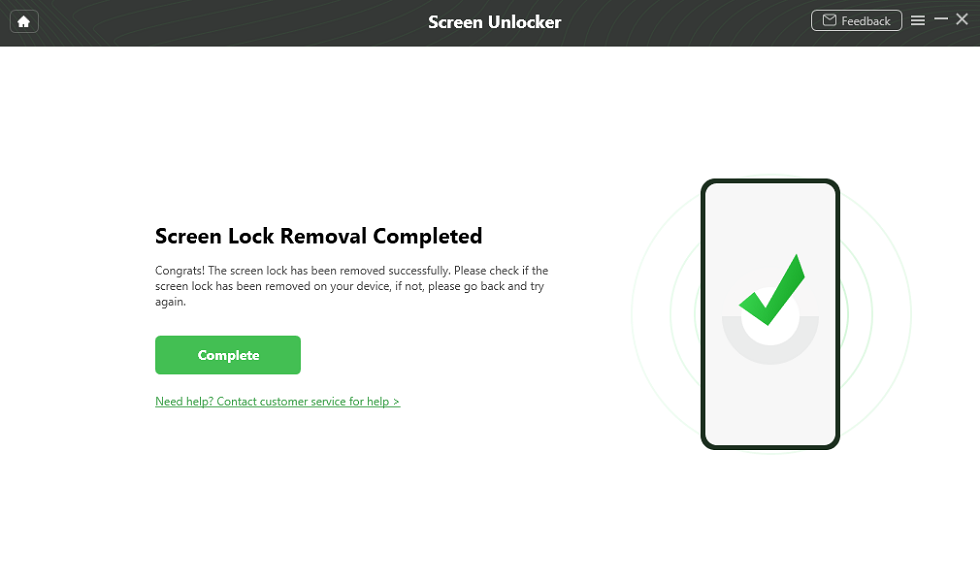
Lock Screen Removal Completed
9 Ways to Fix Fingerprint Not Working on Android
Try the fixes below in order. Start with the no-risk checks before moving to reset options.
Fix 1. Clean the Fingerprint Sensor and Your Finger
Wipe the fingerprint sensor or the sensor area on the display with a soft, clean, lint-free cloth. Also make sure your finger is clean and dry. If your finger is too dry or cracked, moisturize it lightly and try again after it is no longer wet.
Fix 2. Remove the Case or Screen Protector
If your Android phone uses an in-display fingerprint scanner, a thick or uncertified screen protector can block recognition. Remove the protector temporarily and test again. If the scanner works, replace the protector with one recommended for your device and register your fingerprint again after installation.
If your phone uses a side-mounted or rear fingerprint sensor, remove the case and make sure the sensor is not covered or pressed by the case.
Fix 3. Restart Your Android Device
A restart can clear temporary software glitches that affect fingerprint unlock.
- Press and hold the Power button.
- Tap Restart .
- After the phone restarts, enter your PIN, pattern, or password if Android asks for it, then test fingerprint unlock again.
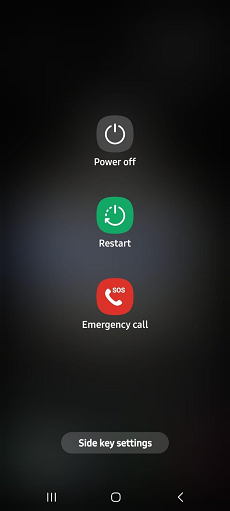
Restart option
Fix 4. Remove and Re-add Your Fingerprint
Old fingerprint data may become less accurate after a screen protector change, software update, or long-term use. Re-registering often fixes recognition errors.
Step 1. Open Settings and go to Security & privacy , Biometrics , or Lock screen . The exact path depends on your Android brand.
Step 2. Open Fingerprint or Fingerprint unlock and enter your PIN, pattern, or password.
Step 3. Delete old fingerprints, then tap Add fingerprint and follow the prompts. Register the same finger at different angles and add another finger as a backup.
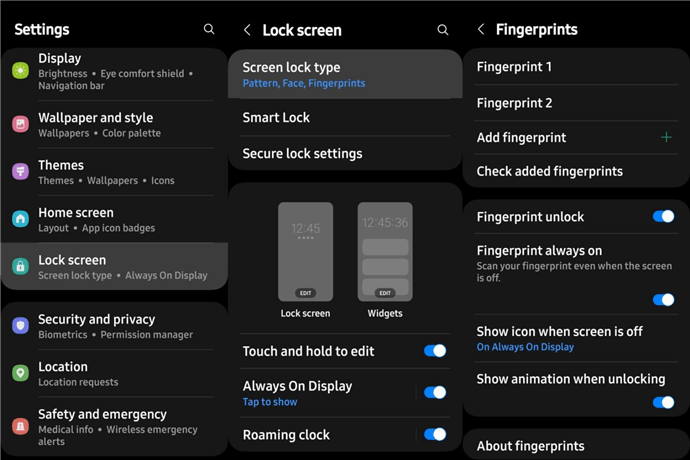
Re-register Your Fingerprint Data
Fix 5. Increase Touch Sensitivity on Samsung Phones
On some Samsung Galaxy phones, increasing touch sensitivity may help when a screen protector is installed. This setting does not fix every fingerprint sensor issue, but it is worth checking if your fingerprint problem started after adding a protector.
- Open Settings .
- Tap Display .
- Turn on Touch sensitivity , then test fingerprint unlock again.
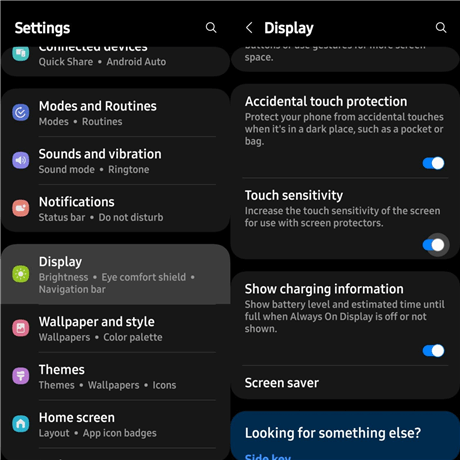
Enable Touch Sensitivity
Fix 6. Check Fingerprint Unlock Settings
Some Android phones include extra fingerprint options. On Pixel phones, for example, you may find settings that affect when the fingerprint sensor is shown or whether a side sensor can unlock while the screen is off. Open your device’s Security or Lock screen settings and make sure fingerprint unlock is enabled.
If fingerprint unlock disappears after a system update, restart the device and check for another Android update. If the option is still missing, contact the manufacturer because it may be a software or hardware issue.
Fix 7. Update Android Software
System updates can include fingerprint, display, and lock screen fixes. Keep your phone updated before assuming the sensor is broken.
- Open Settings .
- Tap Software update or System > Software update .
- Download and install any available update, then test the fingerprint sensor again.
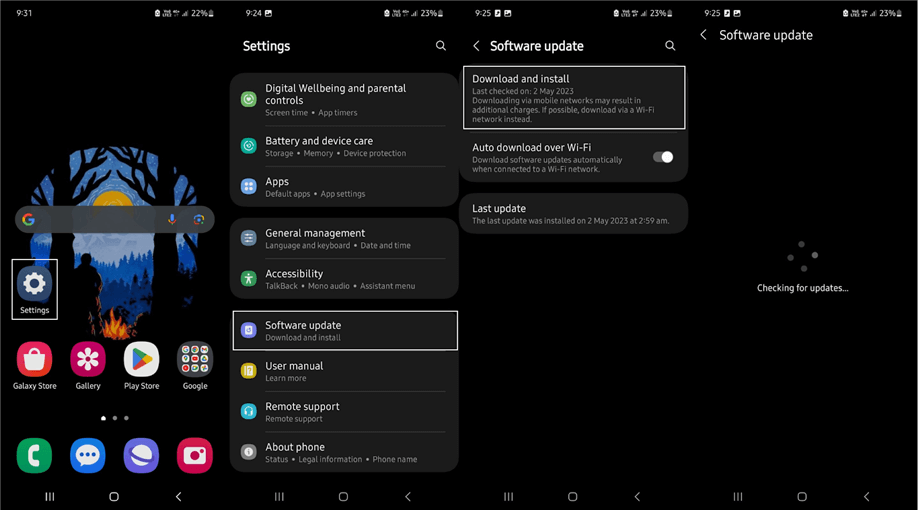
Tap on Download and Install in Software Update
Fix 8. Wipe Cache Partition If Your Device Supports It
Some Android devices, especially many Samsung models, offer a Wipe cache partition option in recovery mode. This can clear temporary system files without deleting your personal data. Not every Android phone provides this option, so skip this fix if you do not see it.
Step 1. Power off your Android phone.
Step 2. Use your device’s button combination to enter recovery mode.
Step 3. Choose Wipe cache partition , confirm, then choose Reboot system now .
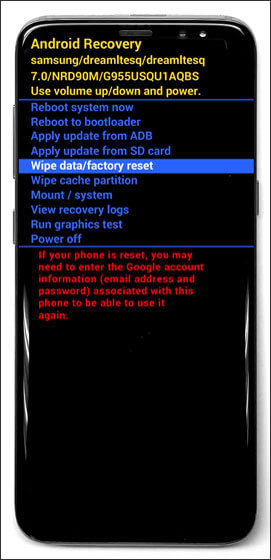
Wipe Cache Partition
Fix 9. Factory Reset Your Android Phone as a Last Resort
If fingerprint unlock still does not work after cleaning, re-registering, checking the protector, and updating Android, a factory reset may help with deep software problems. However, it will erase the phone, so back up important data first.
Step 1. Open Settings .
Step 2. Go to General management , System , or Reset options , depending on your device.
Step 3. Choose Factory data reset and follow the on-screen instructions.
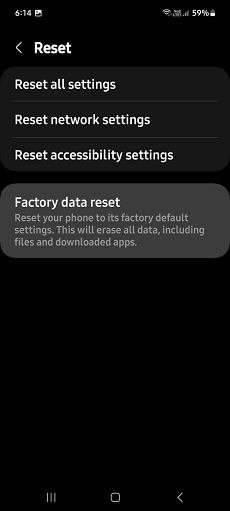
Select Factory data reset
When Should You Repair the Fingerprint Sensor?
Consider professional repair if the sensor area is scratched or cracked, the fingerprint option disappears from settings, the phone says the sensor is not responding, or none of the software fixes work. Before sending the phone for repair, back up your data and remove sensitive accounts if possible.
FAQs About Fingerprint Not Working on Android
Why is my fingerprint not working even though the sensor is clean?
The stored fingerprint data may no longer match well, especially after a screen protector change, software update, or skin changes on your finger. Try deleting the old fingerprint and registering it again from different angles.
Can I unlock Android with fingerprint after restarting the phone?
Often, no. For security, Android may ask for your PIN, pattern, or password after a restart or after certain security events. Enter the backup screen lock first, then fingerprint unlock should work again if the sensor is normal.
Will removing and re-adding fingerprints delete my phone data?
No. Removing saved fingerprints only deletes biometric enrollment data. It does not erase photos, apps, messages, or other personal files.
Does a screen protector affect fingerprint unlock?
Yes, especially on phones with in-display fingerprint sensors. A thick, low-quality, or uncertified screen protector can block the sensor. Re-register your fingerprint after installing a new protector.
What should I do if fingerprint unlock fails and I forgot my PIN?
If you forgot both fingerprint unlock and the backup PIN, pattern, or password, you may need to erase the device, use official recovery options, or use a supported Android screen unlocker. Most unlock methods can erase device data.
Is factory reset necessary to fix fingerprint not working?
Usually not. Try cleaning the sensor, removing the screen protector, restarting, re-adding fingerprints, and updating Android first. Factory reset should be the last resort because it erases the device.
Can DroidKit fix a broken fingerprint sensor?
No. DroidKit can help remove Android screen locks on supported devices if you cannot unlock the phone, but it cannot repair a physically damaged fingerprint sensor. If the sensor hardware is broken, contact the manufacturer or a repair provider.
Related Articles
- How to Bypass Fingerprint Lock on Android
- Best Android Phone Unlocking Software
- How to Unlock Android Phone with Broken Screen
The Bottom Line
When fingerprint is not working on Android, start with simple checks: clean the sensor, dry your finger, remove the screen protector or case, restart the phone, and re-register your fingerprint. If you can still unlock the phone with your PIN, pattern, or password, you usually do not need a reset. If you cannot access the phone at all, DroidKit Screen Unlocker may help remove the screen lock on supported Android devices, but most screen lock removal methods can erase device data.
Free Download * 100% Clean & Safe



Joy Taylor is a seasoned technical writer with over a decade of experience in mobile technology. At iMobie, she specializes in producing in-depth content on iOS data recovery, iPhone unlocking solutions, and iOS troubleshooting.
Product-related questions? Contact Our Support Team to Get Quick Solution >
