Forgot Samsung Tablet Password? 5 Ways to Regain Access
Forgot the PIN, pattern, or password on a Galaxy Tab? Older tablets may still offer Google account recovery, while newer models usually require a compatible screen-unlock workflow or a reset that erases local data. Compare the options before choosing one.
Forgot the PIN, pattern, or password on your Samsung tablet? Before trying random button combinations, first decide whether keeping the files stored on the tablet is important. Some older Galaxy Tabs may still show a Google account recovery option, while newer tablets generally do not provide an official remote button that simply removes a forgotten screen lock.
If you cannot recover the lock credential, the realistic choices split into two groups: a compatible screen-unlock workflow such as DroidKit, or reset methods that erase the tablet. Samsung SmartThings Find and Google Find Hub can still help manage or erase a registered device remotely, but they should not be confused with the old Samsung Remote Unlock feature.
Before you continue: A factory reset removes locally stored apps, settings, photos, and files that are not backed up. It can also trigger Google account verification during setup if Factory Reset Protection (FRP) was active. Use these methods only on a Samsung tablet you own or are authorized to manage.
Table of ContentsHide
Quick Answer: What If You Forgot Your Samsung Tablet Password?
Which Samsung Tablet Unlock Method Fits Your Situation?
Can You Unlock a Samsung Tablet Without Factory Reset?
Method 1: Use Google Account Recovery on an Older Samsung Tablet
Method 2: Unlock Samsung Tablet with DroidKit
Method 3: Erase Samsung Tablet with SmartThings Find
Method 4: Factory Reset Samsung Tablet with Google Find Hub
Method 5: Factory Reset Samsung Tablet in Recovery Mode
Will You Lose Data When Unlocking a Samsung Tablet?
What If Google Verification Appears After Reset?
FAQs About Forgotten Samsung Tablet Passwords
The Bottom Line
Quick Answer: What If You Forgot Your Samsung Tablet Password?
If you forgot the password, PIN, or pattern on a Galaxy Tab, the best next step depends on what your tablet still allows and whether you can accept data loss.
- If an older tablet actually displays Forgot Pattern or a similar Google account recovery option, try it before resetting the tablet.
- If that option is missing and you have a Windows PC or Mac, check whether a compatible Samsung screen-unlock workflow is available.
- If you accept losing local data, SmartThings Find, Google Find Hub, or Samsung Recovery Mode may provide a reset path when their requirements are met.
- If the tablet asks for a previously synced Google account after the reset, the screen password is no longer the problem. You are dealing with FRP verification instead.
Using a non-Samsung Android tablet? The Android tablet password unlock guide covers the broader tablet scenario. The methods below stay focused on Samsung Galaxy Tab PIN, pattern, and password lockouts.
Which Samsung Tablet Unlock Method Fits Your Situation?
Do not choose a method only because it promises fewer steps. Check what it requires before the lockout, whether it erases local data, and whether the option actually exists on your Galaxy Tab.
| Method | Best For | Data Loss | Main Requirement |
| Google account recovery | Older tablets that still display Forgot Pattern or a similar recovery option | No reset when the route is available | The legacy recovery option must appear on the lock screen |
| DroidKit Screen Unlocker | Users who cannot use the older on-device recovery route | Most workflows erase data; some older supported Samsung models may preserve it | Windows PC or Mac and an applicable device workflow |
| Samsung SmartThings Find | Users who registered the tablet to a Samsung account and accept remote erasure | Yes when Delete data is used | Find My Mobile enabled, Samsung account, and network access |
| Google Find Hub | Users who can access the Google account associated with an online tablet | Yes when Factory reset is used | Google account, Find Hub availability, and a reachable tablet |
| Recovery Mode factory reset | Users who cannot unlock the tablet and accept local data loss | Yes | Ability to enter Recovery Mode on the specific Galaxy Tab model |
One important distinction: SmartThings Find and Google Find Hub can help locate, protect, or erase a registered tablet. They should not be treated as current no-data-loss services that simply reveal or replace a forgotten Samsung tablet password.
Can You Unlock a Samsung Tablet Without Factory Reset?
Possibly, but only in specific situations. Older Android-based Samsung tablets may still expose a Forgot Pattern recovery screen. In addition, some older supported Samsung devices may qualify for a data-preserving DroidKit screen-unlock route.
For newer Galaxy Tabs, however, you should not assume that Samsung or Google provides a remote button that removes the current PIN, pattern, or password. Current remote-device services are primarily designed to find, secure, or erase registered devices.
If preserving data is your priority, check the non-reset options first. If neither applies to your tablet, decide whether the local data is more important than immediate access before performing any factory reset.
If you want to compare software routes before choosing one, see the Android unlocking software guide, which separates normal screen locks from FRP, SIM locks, and other Android lock types.
Method 1: Use Google Account Recovery on an Older Samsung Tablet
Some older Samsung tablets included a Forgot Pattern or similar account-recovery option after repeated failed attempts. If your Galaxy Tab actually displays this option, try it before any reset because it may let you regain access without wiping the tablet.
Step 1. Enter an incorrect pattern until the tablet displays the retry or recovery options available on its lock screen.
Step 2. If you see Forgot Pattern or an equivalent Google account recovery option, tap it.
Step 3. Enter the Google account information requested by the tablet.
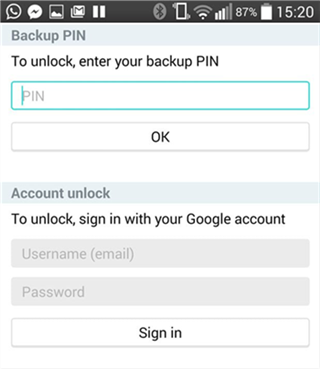
Google Account Recovery on an Older Samsung Tablet
Step 4. If the account is accepted and the tablet provides a lock-reset screen, follow the prompts to create a new PIN, password, or pattern.
Do not keep searching for this menu if it is absent. The screenshot above represents an older Android recovery path. If your Galaxy Tab does not show Forgot Pattern or a similar option, move to another method rather than repeating incorrect attempts.
Method 2: Unlock Samsung Tablet with DroidKit
DroidKit is the computer-based option to evaluate when the tablet no longer provides the older Google account recovery route and you do not know the existing PIN, pattern, or password.
Its Screen Unlocker supports PINs, patterns, passwords, fingerprints, and face locks on supported Android phones and tablets. The important point is data behavior: most Android screen-unlock workflows erase local data. DroidKit also provides a separate data-preserving workflow for some older supported Samsung devices, so the correct choice depends on whether your particular tablet appears in that supported route.
DroidKit is relevant when:
- Your Samsung tablet no longer displays a usable Forgot Pattern recovery option.
- You have forgotten the current PIN, pattern, or password.
- You have access to a Windows PC or Mac.
- You understand that the standard screen-removal route can erase local data.
- You want to check whether an older Samsung tablet qualifies for the separate keep-data workflow.
Free Download * 100% Clean & Safe
Steps to Check the Samsung Tablet Screen Unlock Workflow
Step 1. Install and open DroidKit on your computer. Choose Screen Unlocker from the main interface.
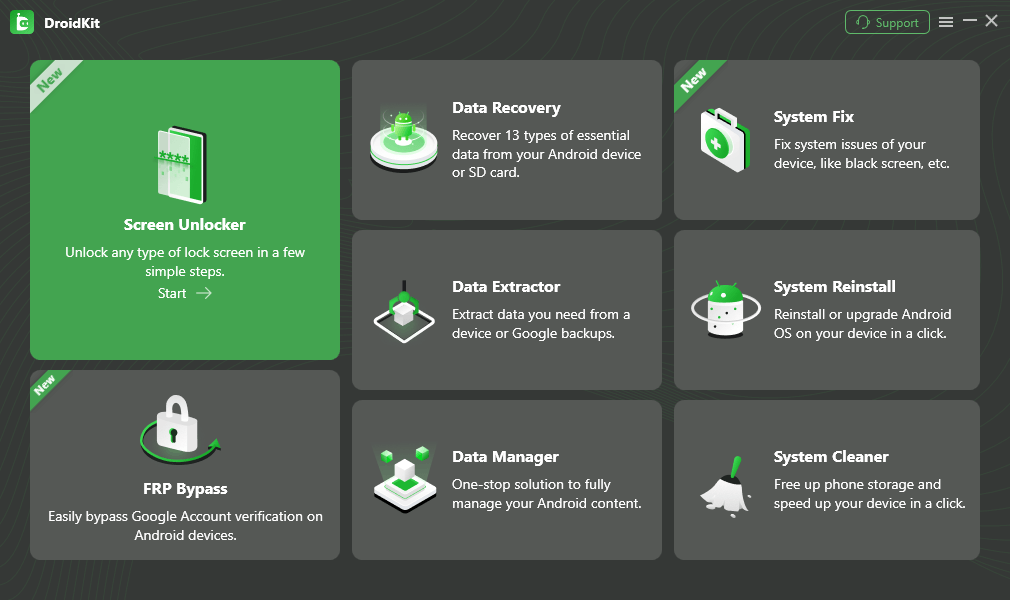
Choose Screen Unlocker
Step 2. Connect the locked Samsung tablet to the computer with a data-capable USB cable, then click Start.
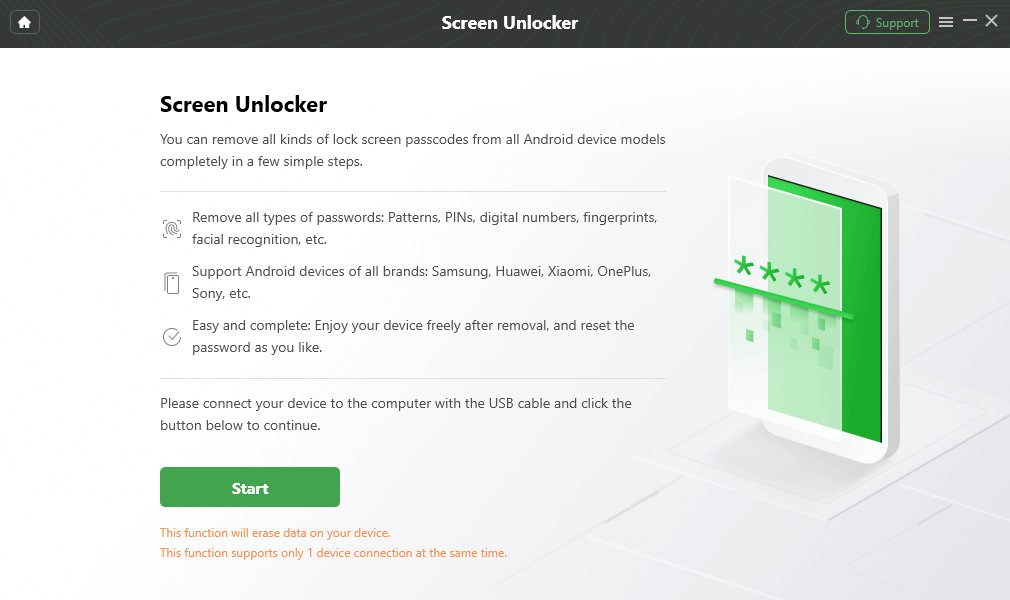
Connect the Locked Samsung Tablet
Step 3. Wait while DroidKit prepares the configuration information for the connected device. When the preparation is complete, click Remove Now.
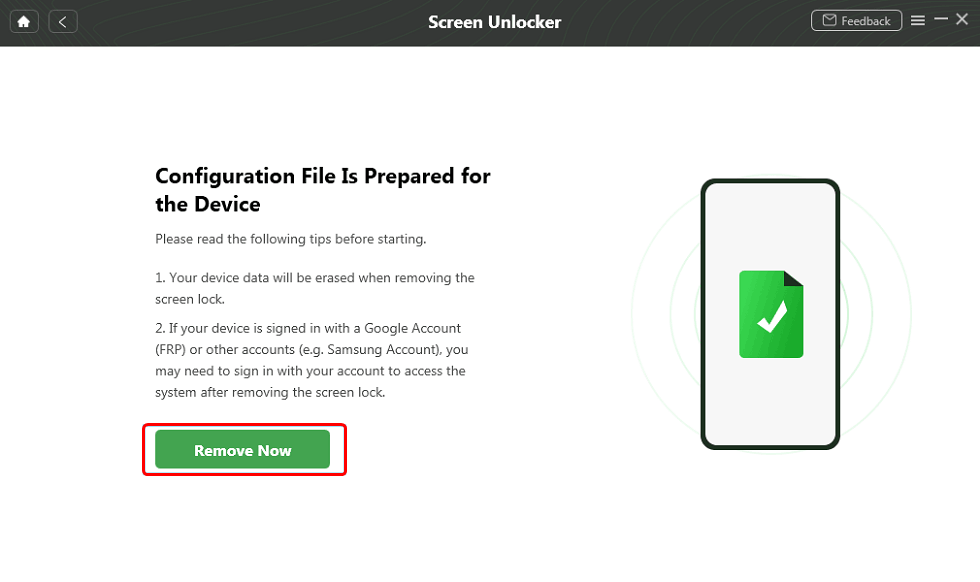
Click Remove Now

Step 4. Select Samsung when prompted and check which unlock workflow is offered for the connected device. If DroidKit displays a Keep device data option for an older Samsung model, verify that your exact model is included before selecting it.
Follow the Samsung Instructions
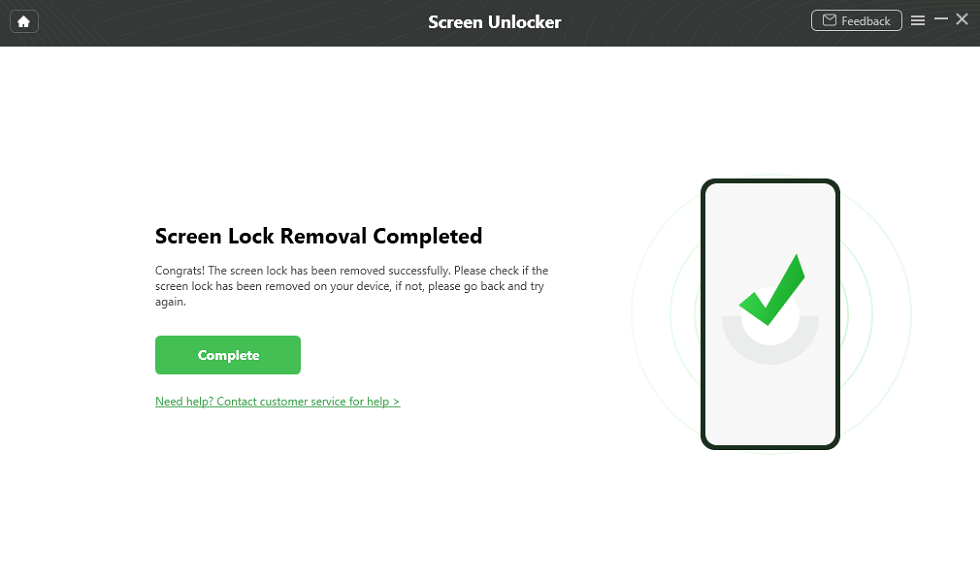
Step 5. Follow the remaining instructions provided for that Samsung workflow and wait for the screen-lock removal process to complete.
Screen Lock Removal Completed
Check the data warning before continuing. Do not assume that using an unlock program automatically preserves files. If your Samsung tablet is not listed for the separate keep-data workflow, expect the standard screen-removal route to erase local data.
Method 3: Erase Samsung Tablet with SmartThings Find
Many older Samsung tutorials refer to Find My Mobile and show a remote Unlock button. Samsung’s current device-finding service is integrated with SmartThings Find, whose available functions include locating, ringing, locking, and deleting data from registered Galaxy devices.
That means SmartThings Find can still be useful when your tablet is registered to your Samsung account, but it should not be presented as a current no-data-loss way to remove a forgotten tablet password.
When SmartThings Find Is Useful
- The locked tablet is registered to your Samsung account.
- Find My Mobile was enabled on the tablet.
- The tablet can connect to the internet.
- You are willing to erase local data if that is the available way to regain use of the tablet.
Step 1. Open Samsung SmartThings Find from another device or computer.
Step 2. Sign in to the Samsung account associated with your tablet.
Step 3. Select the Galaxy Tab from your registered devices.
Step 4. Review the actions currently offered for that tablet.
Step 5. If you decide to use Delete data or the equivalent erase function, confirm only after understanding that local tablet data will be removed.
Do not follow an old screenshot that tells you to click Remote Unlock. The controls in SmartThings Find have changed, so use only the options currently shown in Samsung’s service.
Method 4: Factory Reset Samsung Tablet with Google Find Hub
Google Find Hub provides another remote reset path for an Android tablet associated with your Google account. It is useful when the tablet is reachable online and you accept erasing it.
Google Find Hub does not replace the forgotten existing PIN or password with a new temporary PIN. Its current device actions include locating the device, marking it as lost, and factory resetting it.
Step 1. Open Google Find Hub from another phone, tablet, or browser.
Step 2. Sign in with the Google account associated with the locked Galaxy Tab.
Step 3. Select the tablet from the device list.
Step 4. Open the available device settings and review the actions shown.
Step 5. If you accept data loss, choose the Factory reset option for the tablet and confirm the action.
Before remotely resetting: Make sure you know the Google account previously associated with the Galaxy Tab. After the reset, Factory Reset Protection may require that account during device setup.
Method 5: Factory Reset Samsung Tablet in Recovery Mode
If the account-based options are unavailable and you cannot use a compatible screen-unlock workflow, Recovery Mode is the main offline reset route. It removes the current screen lock by wiping the tablet, so use it only when losing local data is acceptable.
The exact Recovery Mode entry sequence can vary between Galaxy Tab generations. The steps below describe a common Samsung tablet process.
Step 1. Power off the Samsung tablet. If it cannot be shut down normally from the lock screen, use the force-restart combination appropriate for your model first.
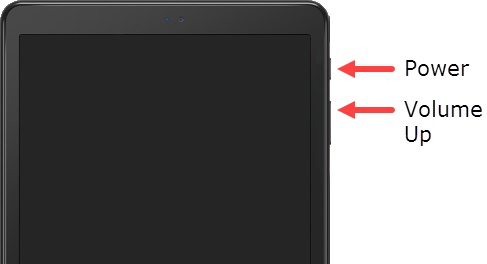
Step 2. On many Galaxy tablets, press and hold Volume Up + Power until Samsung Recovery appears. Some newer models may require a connected USB cable or a slightly different button sequence.
Enter Samsung Recovery Mode
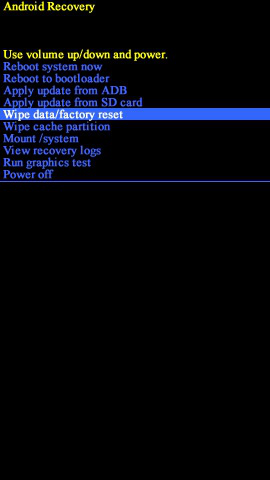
Step 3. Use the Volume buttons to highlight Wipe data/factory reset, then press the Power button to select it.
Choose Wipe Data/Factory Reset
Step 4. Confirm the factory reset and wait for Samsung Recovery to finish wiping the tablet.
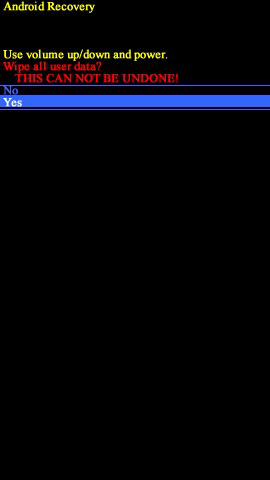
Confirm the Factory Reset
Step 5. Select Reboot system now after the reset completes.
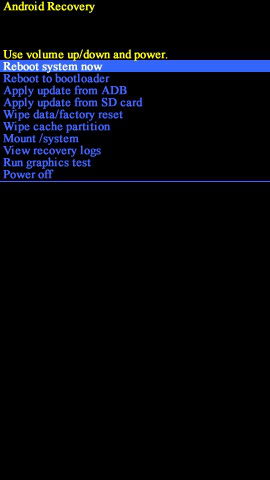
Reboot System Now
If your tablet uses a different button combination or you need more detail about the reset process, see the Samsung tablet factory reset guide.
Will You Lose Data When Unlocking a Samsung Tablet?
It depends entirely on the method. The page should not promise that a forgotten Samsung tablet password can generally be removed while preserving files.
| Method | What Happens to Local Data? |
| Legacy Forgot Pattern / Google account recovery | Can preserve data if the option exists and authentication succeeds |
| DroidKit Screen Unlocker | Most workflows erase data; some supported older Samsung devices may have a keep-data route |
| SmartThings Find Delete data | Erases local data |
| Google Find Hub Factory reset | Erases local data |
| Samsung Recovery Mode factory reset | Erases local data |
If photos, documents, or app data matter, first consider whether they were already synchronized to Google Photos, Google Drive, Samsung services, or another cloud service before the lockout. A locked tablet normally cannot create a new full backup of inaccessible internal files just because you intend to reset it.
What If Google Verification Appears After Reset?
A forgotten Samsung tablet screen password and Google verification after reset are two different problems.
The PIN, pattern, or password discussed above is a screen lock. Once the tablet has been factory reset, Factory Reset Protection may instead display Verify your account and ask for a Google account previously synced with the device.
| What You See | Lock Type | Next Step |
| Normal lock screen asking for PIN, password, or pattern | Screen lock | Use a screen-lock method from this article |
| Verify your account during setup after factory reset | Google FRP | Use the previously synced Google account or an FRP-specific route |
If your Galaxy Tab has already been erased and is now asking for the previous Google account, switch to the Samsung tablet FRP bypass guide. At that point, repeating screen-password instructions will not address the verification screen.
FAQs About Forgotten Samsung Tablet Passwords
Can I unlock a Samsung tablet without losing data?
Only in limited situations. An older Galaxy Tab may still provide an account-based Forgot Pattern route, and some supported older Samsung devices may qualify for DroidKit’s keep-data unlock workflow. Factory-reset methods erase local device data.
Does Samsung Find My Mobile still unlock a forgotten tablet password?
Do not rely on old Remote Unlock instructions. Find My Mobile is now integrated with SmartThings Find, whose current device-management features include locating, ringing, locking, backing up, and deleting data. Check the controls currently offered for your registered tablet rather than following an old Unlock-button screenshot.
Can Google Find Hub change my forgotten Samsung tablet PIN?
No. Google Find Hub can locate a compatible device, mark it as lost, or factory reset it. Mark as lost continues to protect the device with its screen credential; it does not replace a forgotten existing PIN with a new one.
What is the default PIN for a Samsung tablet?
There is no universal default screen-lock PIN that unlocks normal personal Galaxy Tabs. The PIN, pattern, or password is normally chosen during setup or later in the device settings. A work- or school-managed tablet may follow an administrator’s security policy.
How do I force a factory reset on a Samsung tablet if I forgot the password?
Recovery Mode is the usual offline reset route. On many Galaxy Tabs, you enter Recovery with a Volume and Power button combination, select Wipe data/factory reset, confirm the wipe, and then select Reboot system now. The exact entry combination can differ by model.
Why does my Samsung tablet ask for a Google account after factory reset?
That is usually Factory Reset Protection rather than the original screen lock. If FRP was active before the reset, Android may request a Google account that was previously synced with the tablet during setup.
Should I try DroidKit before factory resetting my Samsung tablet?
It is worth evaluating if the older Google account recovery route is unavailable and you want to check whether DroidKit provides an applicable Samsung screen-unlock workflow. Review the data notice before proceeding: most screen-removal routes erase local data, while only supported older Samsung devices may qualify for the separate keep-data workflow.
The Bottom Line
If you forgot your Samsung tablet password, the right decision depends mainly on two things: whether a non-reset recovery route still exists and whether you can afford to lose local data. If an older tablet shows Forgot Pattern, try that first. If it does not, check whether an applicable Samsung screen-unlock workflow fits your model before moving directly to a factory reset.
SmartThings Find and Google Find Hub remain useful for remote device management, but neither should be treated as a guaranteed no-data-loss password-removal button. If local data is no longer the priority, remote erase or Recovery Mode can return the tablet to setup. If Verify your account appears afterward, switch from screen-lock troubleshooting to the Samsung tablet FRP path.
More Related Articles


Roger Smith is a senior technical writer with years of experience in providing Android solutions. He loves to help users solve various problems such as Android unlock, Android data recovery, and Android system repair.
Product-related questions? Contact Our Support Team to Get Quick Solution >
