Master Code to Unlock Any Phone: Does It Really Work?
There is no universal master code that can unlock every Android phone. Some codes found online may only open device information menus or trigger a factory reset, which can erase data. This guide explains what Android unlock codes really mean, when they may fail, and how to unlock your Android phone without relying on a master code.
iMobie DroidKit – Unlock Android When Master Code Fails
No universal master code works for every Android phone. If you forgot the screen password, iMobie DroidKit offers a guided way to remove common Android screen locks on supported devices.

Locked out of your Android phone and searching for a master code to unlock any phone? Many users try terms like “phone unlock code,” “master code for Android,” or “emergency call unlock code” when they forget a PIN, password, or pattern. The truth is simple: there is no universal master code that can unlock every Android phone.
Some hidden codes do exist on Android devices, but most of them are designed for device information, diagnostics, or reset-related functions. They are not reliable screen lock removal codes, especially on modern Android phones with stronger security patches. In this guide, you will learn what Android master codes really mean, what happens if you try them, and what safer options you can use when the code does not work.
Quick Answer: There is no universal master code to unlock any Android phone. Codes like *#*#7780#*#* or *2767*3855# may trigger reset-related functions on some old Android models, but they do not reliably remove screen locks on modern phones and may erase data.
What Is the Master Code to Unlock an Android Phone?
An Android master code usually refers to a string of numbers and symbols that people believe can bypass a phone screen lock. In reality, Android does not provide one official master code that removes the PIN, password, pattern, fingerprint, or face lock from every device.
Unlike Samsung secret codes or Android diagnostic codes, a screen lock is protected by your device security settings, encryption, and account protection. That means a simple dialer code usually cannot unlock a modern Android phone.
Some codes found online may still appear in old discussions, such as:
- *#*#7780#*#* – often described as a reset-related Android code on older devices.
- *2767*3855# – often described as a factory reset or full reset code on some old Samsung or Android models.
However, these codes are not universal unlock passwords. If they work on a very old device, they may reset the phone instead of simply removing the lock screen. On most newer Android phones, they either do nothing on the lock screen or cannot be executed from the Emergency Call interface.
| What users expect | What usually happens |
| A code that unlocks any Android phone instantly | No such universal code exists for modern Android phones. |
| A free way to remove a forgotten PIN or pattern | Most codes fail, and reset-related codes may erase data. |
| An emergency call code that bypasses the lock screen | The Emergency Call screen is not designed for screen lock bypass. |
| A safe unlock method without password | You usually need official recovery, factory reset, or a guided unlock tool. |
Not every “locked” setting means your phone needs an unlock code. If you can already access the phone but cannot change the APN, disable the screen lock, or modify a security setting, the restriction may come from your carrier, device administrator, encryption policy, or work profile. In these cases, a master code will not solve the problem. Check the related Android settings or contact the administrator or carrier responsible for the restriction.
Can You Use a Master Code on the Emergency Call Screen?
Most users try to enter a master code by opening the Emergency Call screen from the lock screen. This may look like the easiest way because the dial pad is available even when the phone is locked. But in most cases, the Emergency Call screen only allows emergency numbers and does not process secret codes as normal dialer commands.
If you are using an old Android phone with physical buttons or an old software version, you may see some online guides suggesting the following process:
Step 1. Wake up the locked Android phone and tap Emergency Call on the lock screen.
Step 2. Enter a commonly searched code such as *#*#7780#*#* or *2767*3855#.
Step 3. If the phone shows a prompt, read it carefully before confirming anything. If no prompt appears, the code does not work on your device.
Important: Do not assume these codes are safe. If a reset-related code works, it may erase data, reset settings, or trigger additional account verification after the phone restarts. On newer Android phones, these codes usually cannot remove the lock screen.
Benefits and Risks of Using Unlock Codes
Trying an unlock code may sound simple, but it is not a reliable solution for most Android screen lock problems. Before you try any code, compare the possible benefits and risks below.
| Possible Benefits | Risks and Limitations |
|
|
Tip: If your Android phone is a recent model, unlock codes from the Emergency Call screen usually will not remove the lock. Try official recovery options first, or use a guided Android unlock tool when you own the device.
Unlock Android Password/Pattern/PIN without Master Code
If the master code does not work and you cannot remember the screen password, iMobie DroidKit can be a practical option when you own the device and need a guided desktop solution. It helps remove common Android screen locks such as PIN, pattern, password, fingerprint, and face lock on supported devices.
DroidKit is also listed as an Android phone unlocking software option for users who cannot unlock their phone with a password, pattern, or recovery method. Please note that screen lock removal may erase data depending on your device model and lock type. If you have a recent backup, restore your data after unlocking.

iMobie DroidKit for Android Screen Unlock
When DroidKit can be useful:
- You forgot the Android PIN, pattern, password, fingerprint, or face lock.
- The master code does not work on the Emergency Call screen.
- You want a guided process on a Windows or Mac computer.
- Recovery Mode is difficult to enter or the button combination does not work.
- You own the phone and need to regain access to a supported Android device.
Free Download * 100% Clean & Safe
Steps to unlock Android password, pattern, or PIN without master code:
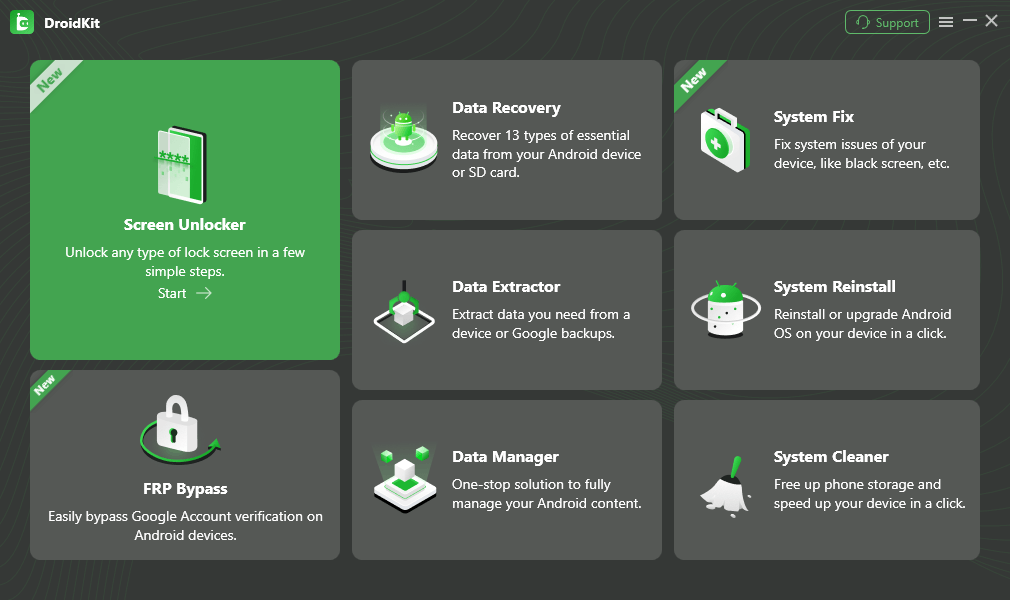
Step 1. Download and launch iMobie DroidKit on your computer. On the main interface, choose Screen Unlocker.
Choose Screen Unlocker
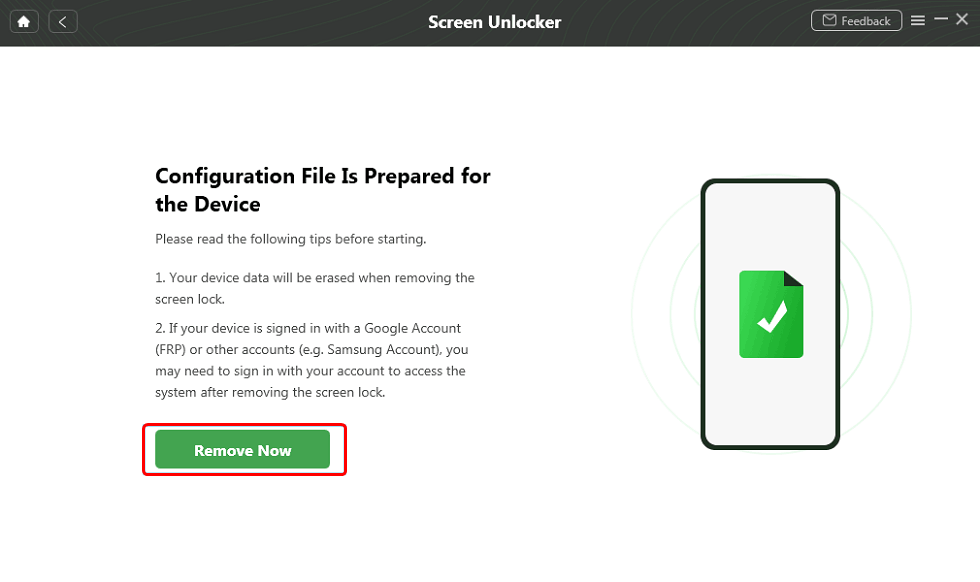
Step 2. Connect the locked Android device to your computer with a USB cable. Click the Start button and wait while DroidKit prepares the configuration file. Then click Remove Now.
Click Remove Now Button

Step 3. DroidKit will detect your device brand. Here we take Samsung as an example. Follow the on-screen instructions according to your device model and lock type.
Finish Settings on Samsung
Step 4. Wait for the screen lock removal process to complete. When you see the completion page, restart your device and set it up again.
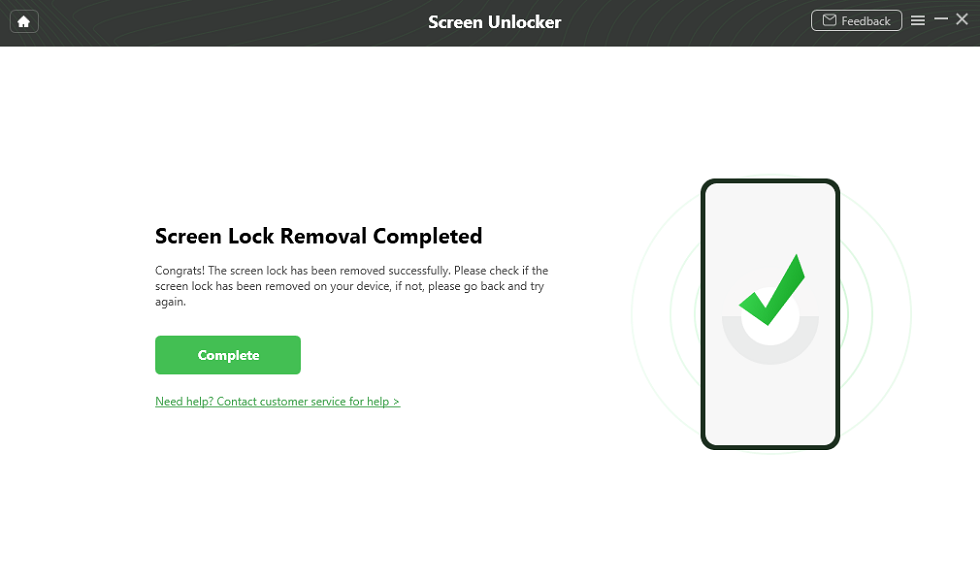
Lock Screen Removal Completed
Note: If your Android phone was signed in to a Google account before a factory reset, you may need to verify the previously synced Google account during setup. Screen lock removal and FRP lock removal are different problems.
Other Ways to Unlock an Android Phone without a Code
Besides DroidKit, you can try official or manual methods to unlock your Android phone. These methods work only in certain situations, and some of them may erase data. Choose the method that matches your phone status.
Before trying any recovery method, check whether you still know the current PIN, pattern, or password. If you do and simply want to turn off the screen lock, use the phone’s Security or Lock Screen settings instead. Recovery and unlock methods are mainly for cases where you can no longer pass the lock screen.
Method 1. Use Google Account Recovery
If your Android phone is linked to your Google account, you can try account recovery first. This is the safest starting point because it helps you recover account access without relying on random unlock codes.
Step 1. On older Android versions, enter the wrong pattern or PIN several times until you see Forgot pattern or Forgot password.
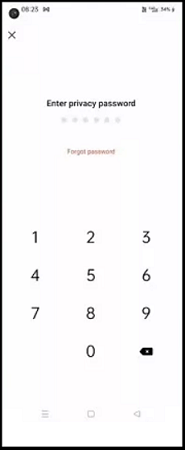
Click on Forgot Password
Step 2. Enter the Google account email and password linked to the locked phone.
Step 3. Follow the on-screen instructions to reset the screen lock if this option is available.
Step 4. After you regain access, set a new PIN, password, or pattern that you can remember.
Note: The “Forgot pattern” option is not available on many newer Android versions. If you cannot see it, use Google account recovery on another device or try another method below.
Method 2. Unlock Android in Recovery Mode
You can also use Android recovery mode to factory reset a locked phone. This method can remove the screen lock, but it will erase data and settings on the device.
Step 1. Turn off your Android device.
Step 2. Press and hold the required button combination to enter Recovery Mode. On many devices, it is Power + Volume Up or Power + Volume Down, but the exact combination varies by brand and model.
Step 3. Use the volume buttons to select Wipe data/factory reset, then confirm with the Power button.
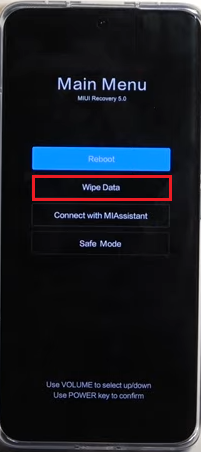
Select the Wipe Data Option
Step 4. Wait for the reset to complete, then choose Reboot system now.
Step 5. Set up the phone again after it restarts. If Google verification appears, sign in with the account previously synced to the device.
Method 3. Contact Your Service Provider or Device Seller
If the phone is tied to a carrier, installment plan, or second-hand purchase, contact your service provider or seller for help. You may need to verify your identity, purchase proof, or account ownership before they can assist you.
This method is especially important if you are dealing with network lock, ownership verification, or a used phone that was not properly reset before resale.
Which Method Should You Try First?
| Your Situation | Best Next Step | Data Loss Risk |
| You remember the Google account used on the phone | Try Google account recovery first | Low if recovery works |
| The phone is old and shows a Forgot Pattern option | Use the on-screen Google recovery option | Low if accepted |
| The master code does not work | Use official recovery or a guided unlock tool | Depends on method |
| You can enter Recovery Mode | Factory reset the device | High |
| Buttons do not work or Recovery Mode fails | Try DroidKit Screen Unlocker on a computer | Possible depending on device |
| The phone asks for Google account after reset | Use the previously synced Google account | Not a screen lock issue |
If Google account recovery, Recovery Mode, or carrier support does not solve the problem, DroidKit can be used as a next-step option to remove the screen lock from a supported Android device.
Free Download * 100% Clean & Safe
FAQs about Android Master Code Unlock
Q1. What is the master code to unlock any Android phone?
There is no universal master code that unlocks every Android phone. Some codes found online may open diagnostic menus or reset functions on old models, but they usually cannot remove the screen lock on modern Android devices.
Q2. Can I unlock my Android phone from the Emergency Call screen?
In most cases, no. The Emergency Call screen is designed for emergency dialing, not for bypassing the screen lock. Codes entered there usually do not unlock modern Android phones.
Q3. Is there a master code to remove pattern lock on Samsung phones?
Some old Samsung-related codes are often shared online, but they are not a safe or reliable way to remove a forgotten pattern lock. If they trigger a reset, your data and settings may be erased. For Samsung pattern lock problems, use official account recovery, Recovery Mode, or a guided unlock method instead.
Q4. Is a SIM network unlock PIN the same as a phone master code?
No. A SIM network unlock PIN is related to a carrier or network restriction, while a screen lock protects access to the phone itself. If your phone accepts your screen password but asks for a SIM network unlock PIN after you insert another carrier’s SIM card, contact your carrier and check the device’s unlock eligibility. A screen unlock tool or Android master code will not remove that carrier restriction.
Q5. Will a master code erase my Android phone?
It may. Some reset-related codes can erase device settings or data on supported old models. Always assume data loss is possible before trying any unlock code.
Q6. Can I unlock Android without losing data?
If you still remember the correct password or can use an official account recovery method, data loss may be avoided. If you remove a forgotten screen lock without the password, data loss is often possible depending on the device and method.
Q7. What should I do if the master code does not work?
Try Google account recovery, official brand recovery options, Recovery Mode, carrier support, or a guided Android unlock tool if you own the device. If the phone asks for Google account verification after a reset, use the previously synced Google account first.
Q8. Are Android secret codes the same as unlock codes?
No. Android secret codes usually show device information, IMEI, battery status, diagnostics, or testing menus. They are not the same as screen lock passwords and usually cannot remove a forgotten PIN, pattern, or password.
Conclusion
A master code to unlock any phone sounds convenient, but it is not how modern Android security works. Most secret codes cannot remove a screen lock, and reset-related codes may erase your data or fail completely on newer devices.
If you are locked out of your own Android phone, start with official recovery options whenever possible. If those options do not work, iMobie DroidKit provides a guided way to remove common Android screen locks on supported devices without relying on unsafe or unreliable master codes.
Free Download * 100% Clean & Safe
More Related Articles


Roger Smith is a senior technical writer with years of experience in providing Android solutions. He loves to help users solve various problems such as Android unlock, Android data recovery, and Android system repair.
Product-related questions? Contact Our Support Team to Get Quick Solution >
