How to Fix Your Device Is Corrupted and Cannot Be Trusted
To fix “Your device is corrupted and cannot be trusted” error, you can try to boot into Safe Mode, flash your device, or perform a hard reset. For a more user-friendly solution, iMobie DroidKit can help you repair this issue without technical skills, ensuring a smooth and secure recovery experience.
iMobie DroidKit – Fix Android System Issues Without Data Loss
If you are annoyed about the “Your device is corrupted and cannot be trusted” issue, iMobie DroidKit can be the solution. It helps to fix Android system issues in seconds. No root for your device. No data loss.

Have you ever seen the message “Your device is corrupted and cannot be trusted”? It’s a sign that something’s wrong with your Android’s system files. This error can appear for many reasons. Maybe an app is causing trouble, a bad Android update, or a virus has gotten in. These problems show up on any Android device.
But there’s good news! Tools like iMobie DroidKit are here to help you. It can eliminate harmful apps and get your phone back to normal. Keep following as we show how to fix “Your device is corrupted and cannot be trusted” and repair your device in this guide.
What Does Your Device Is Corrupted and Cannot Be Trusted Mean?
When the message “Your device is corrupted and cannot be trusted” appears, it indicates that your Android system has detected an integrity problem during startup. This warning usually means the system files responsible for secure boot have been modified, damaged, or failed to verify properly.
In simpler terms, Android’s built-in security check (known as Verified Boot) has found inconsistencies that prevent it from confirming your device is safe to run. As a result, the system displays this message to protect your data and prevent potential security risks. Next, let’s look at some common reasons why this error occurs.
Why Your Device Is Corrupted and Cannot Be Trusted?
When this error appears on your Android phone, it usually means the system has detected something abnormal with its security or software integrity. It can happen after system updates, flashing, or internal damage that affects the boot process. Below are some possible causes:
- Failed or incomplete system update: Interrupted or corrupted updates may damage core system files.
- Rooting or unauthorized modification: Custom ROMs or rooted devices can trigger the Android verified boot warning.
- Corrupted system partition: Damaged or missing partitions prevent Android from loading securely.
- Malware or unsafe third-party apps: Harmful apps can alter system settings and break security checks.
- Hardware or storage failure: Faulty memory chips or damaged hardware may cause verification errors.
After understanding the possible reasons for the Android system on your device is corrupted, let’s move on to the next part and learn how to fix “Your device is corrupted and cannot be trusted” easily.
How to Fix Your Device Is Corrupted and Cannot Be Trusted?
Dealing with a corrupted Android system can be troublesome. However, there are effective methods to restore your device’s action. This section will guide you through four practical ways to address the issue. From simple system repairs to more complex firmware flashing, each method can tackle the cause of corruption. Let’s first explore the easiest and most effective way to fix your device in clicks.
Way 1. Fix “Your Device Is Corrupted and Cannot Be Trusted” [One-click]
To fix the “Your device is corrupted and cannot be trusted” error, iMobie DroidKit offers a fast and reliable solution. Its powerful Android System Repair feature can automatically detect and resolve Android system glitches that cause boot or security errors. With an intelligent repair algorithm, DroidKit restores your device to normal without requiring technical skills. It supports thousands of Android models and guarantees data safety throughout the process. Whether you’re a beginner or an advanced user, DroidKit makes Android repair simple, secure, and effective.
Main Features of iMobie DroidKit:
- Fix common Android issues like touch screen not working, black screen, app crashes, stuck on logo, and more.
- Intelligently selects the best repair solution for your device with a high success rate and full security.
- Repair system problems in just minutes, letting you regain access to your device quickly.
- Also helps unlock screens, recover lost data, and bypass FRP locks, more than just a repair tool.
Free Download * 100% Clean & Safe
To solve the “Your device is corrupted and cannot be trusted” issue, follow these steps:
Step 1. Download and open iMobie DroidKit on your computer and select the System Fix option. Connect your device and click on the Start button.
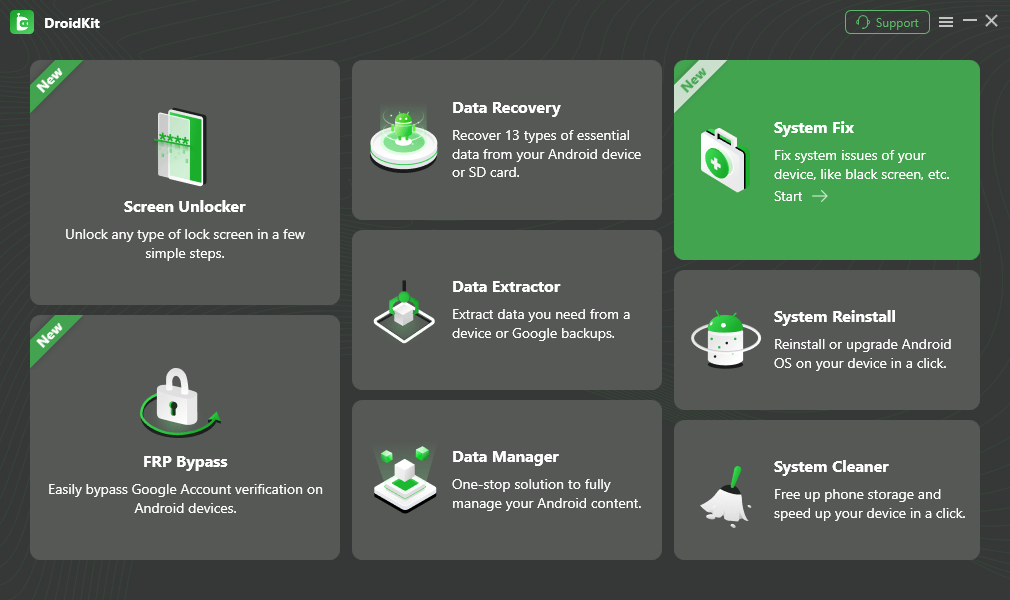
Click System Fix Function
Step 2. DroidKit will match the PDA code of your Device. Just click Download Now to get the firmware.
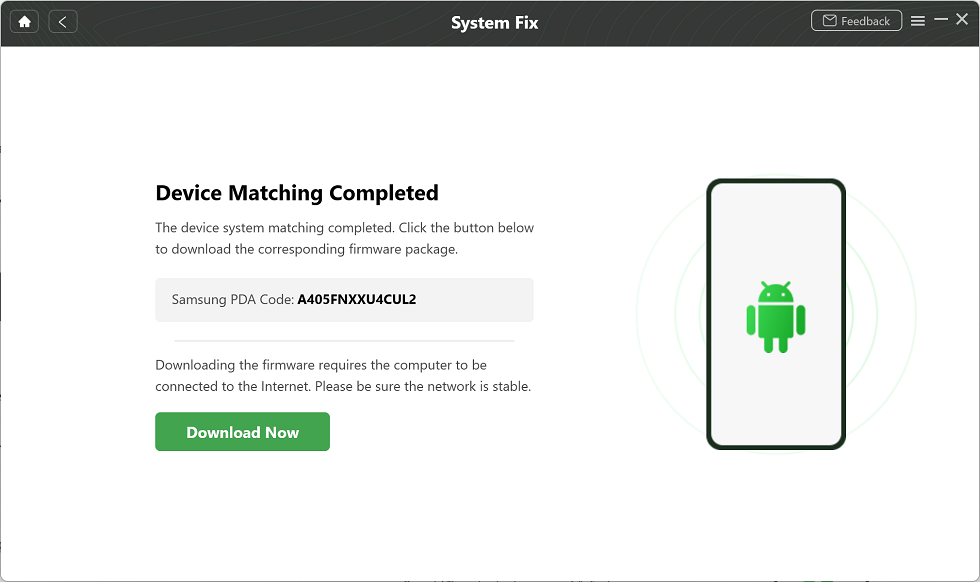
PDA Code Matched
Step 3. After that, click the Fix Now button and put your device into download mode.

Put Samsung into Download Mode
Step 4. Once the firmware is downloaded and checked, your Android system’s repair begins automatically. Please wait briefly.
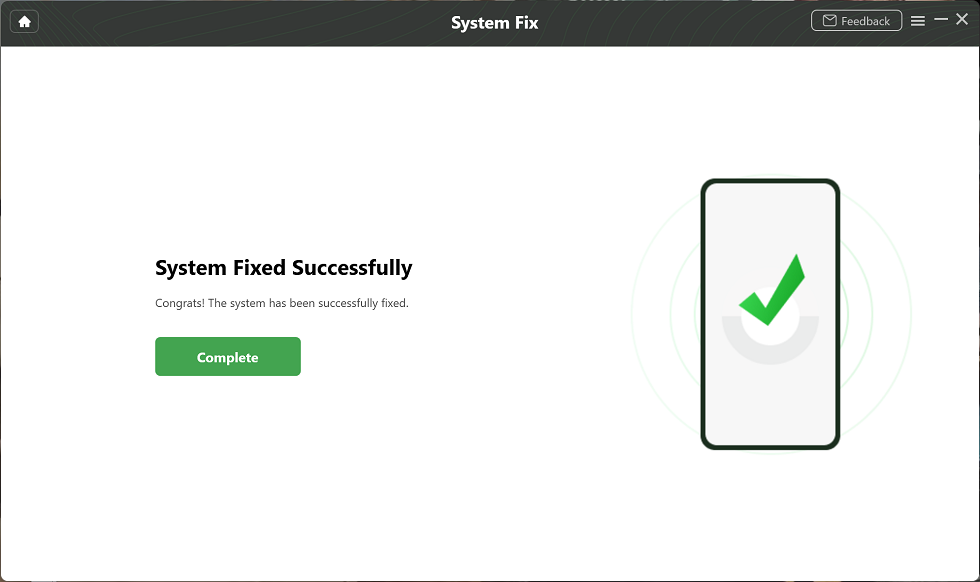
Completing the Repair Process
Way 2. Boot into Safe Mode to Fix “Android System on Your Device Is Corrupted”
Safe Mode is another solution to uncover the cause of the “Your device is corrupted and cannot be trusted” issue. It is a diagnostic tool on Android devices that temporarily turns off all third-party apps and widgets. This feature is valuable for diagnosing issues like app crashes or unresponsive widgets. Only essential system apps and services can be run in Safe Mode. By this, you can identify whether the problem is caused by third-party software.
Here are the steps for the “Android system on your device is corrupted” fixation:
Step 1. Press and hold the power button and select ‘Power off’ to turn off your device completely.
Step 2. Power on the device. Release the power button when you see the phone’s logo.
Step 3. Then, press and hold the Volume Down button until the “Safe Mode” option appears.
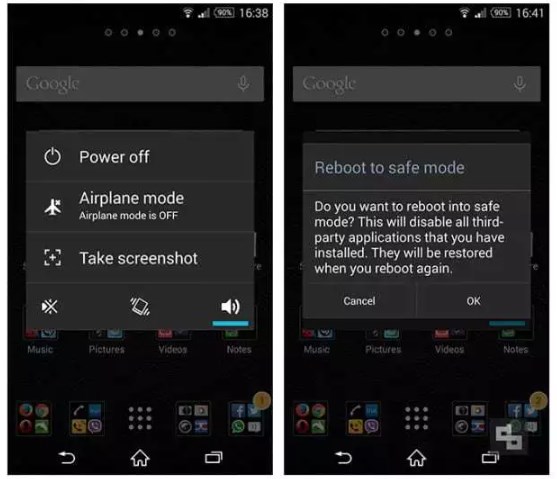
Boot into Safe Mode
Way 3. Flash Your Device to Fix “Your Device Is Corrupted and Cannot Be Trusted”
Flashing an Android phone is also one of the effective ways to fix the “Your device is corrupted and cannot be trusted” error. It involves reinstalling or updating the phone’s firmware to replace corrupted system files with fresh ones. This process can resolve serious software issues, boot loops, and startup failures that regular resets can’t fix. Flashing is also useful for removing deep-rooted malware or restoring system stability when your device fails to boot properly.
The following steps can help you to flash your Android phone.
Step 1. Back up your data to a PC, cloud, or SD card. Backup varies by phone model.
Step 2. Unlock your phone’s bootloader using a computer command or manufacturer’s code.
Step 3. Download a custom ROM online or click here. Make sure it matches your phone model.
Step 4. Press the volume down + power button to boot into recovery mode. Use the manufacturer’s site for help.
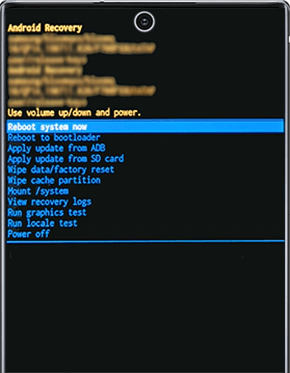
Recovery Mode on Samsung Devices
Step 5. Select “Install zip from SD card” in recovery mode to flash the new firmware. Now, you can enjoy your refreshed device.
Flashing your Android can be risky if it is not done properly. It can lead to more problems, such as bricking your device. Always follow the correct steps or get expert help.
Way 4. Fix “Android System on Your Device Is Corrupted” by Hard Reset
A hard reset, also known as a factory reset, is another effective way to fix the “Your device is corrupted and cannot be trusted” error. It restores your phone to its original factory settings, removing all apps, data, and configurations that may be causing the issue. This method helps eliminate corrupted files or faulty settings that trigger system errors and can make your device run smoothly again. However, a hard reset might not fix all problems. If your phone still acts up after a reset, the issue could be with storage, outdated software, or hardware. Always try to understand the cause of your phone’s issues before doing a hard reset.
Follow these steps to hard reset your Android phone and fix the “Your device is corrupted and cannot be trusted” error:
Step 1. First, shut down your phone. Hold the power button, then tap “Power off.”
Step 2. Next, press the Power and Volume Up buttons together. Hold until the Android logo appears.
Step 3. Then, use the volume buttons to find “Wipe data/Factory Reset.” Select it.
Step 4. The Reset starts. It will take about three minutes. Then, power down and start your device again.
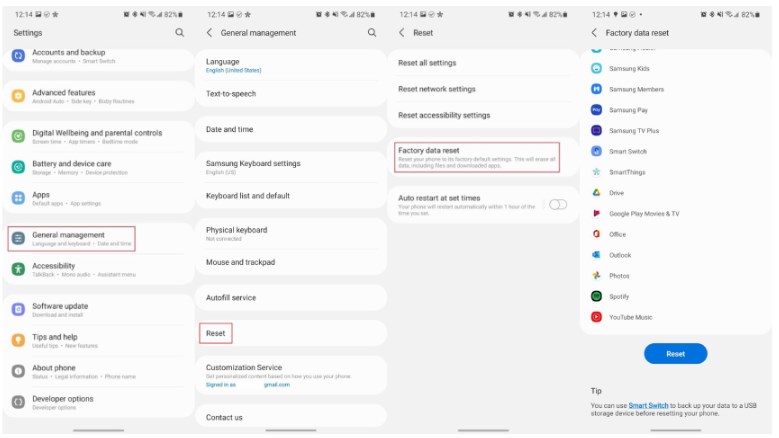
Perform a Hard Reset
Way 5. Contact Manufacturer or Seek Professional Repair
If none of the previous methods work, the issue may be hardware-related or too complex to fix at home. In this case, contact your device’s manufacturer or visit an authorized repair center for professional assistance. A certified technician can diagnose the problem accurately and restore your phone to proper working condition.
FAQs about Your Device Is Corrupted and Cannot Be Trusted
Q1. Why is my phone showing corrupted?
Your phone shows “corrupted” because its system files are damaged or fail to pass Android’s security checks. This often happens after a failed update, malware infection, or unauthorized modification.
Q2. How to fix Android system on your device that is corrupted?
You can fix it by flashing new firmware, performing a factory reset, or using a system repair tool to restore normal function. If these fail, contact the manufacturer for help.
Q3. Is it safe to use a corrupted phone?
No, a corrupted phone may be unstable or insecure. It’s best to repair the system before using it again to protect your data and device.
The Bottom Line
In conclusion, this article provides five practical methods to fix the “Your device is corrupted and cannot be trusted” issue. While methods like Safe Mode, flashing, or factory reset may work, they often require technical skills and involve some risk. For an easier solution, iMobie DroidKit stands out with its one-click system repair, helping you fix this issue quickly without data loss. It also offers extra features like Android data recovery after factory reset, giving you complete control over your device. Download iMobie DroidKit today and enjoy an effortless repair experience!
Free Download * 100% Clean & Safe


Roger Smith is a senior technical writer with years of experience in providing Android solutions. He loves to help users solve various problems such as Android unlock, Android data recovery, and Android system repair.
Product-related questions? Contact Our Support Team to Get Quick Solution >
