How to Fix iPhone Passcode Expired Issue [8 Ways]
To fix iPhone passcode expired issue, first check if your device is linked to a work or school account or managed by an MDM profile. If so, remove the policy to stop the prompt. For a quicker solution, AnyUnlock can help you remove the expired passcode and regain full access to your iPhone safely.
The “Passcode Expired” message on iPhone appears when a security policy requires the device’s unlock passcode to be updated. This behavior is not random; it is typically triggered by management profiles, enterprise email accounts, or system-level security rules. Understanding why this message appears is essential for restoring normal access and preventing the prompt from returning.
This article explains the causes behind iPhone passcode expired issue, and 8 proven methods to resolve the issue and unlock your iPhone safely.
Why Is My iPhone Saying My Passcode Expired?
iPhone passcode expired message may look like a glitch, but it usually has a clear cause. This alert appears when a security policy on your device requires you to change your lock screen passcode. Here are the most common reasons you might see it:
- Device Management Policy: Your iPhone might be supervised or managed by a work or school organization. Managed devices often have rules that require passcodes to be changed regularly.
- Installed MDM Profile: Even if it’s your personal iPhone, it could still have an MDM (Mobile Device Management) profile installed. These profiles can enforce password expiration, complexity, and lock rules.
- Work or School Email Security Requirements: Adding a Microsoft 365 / Exchange/enterprise email account can automatically apply security policies that enforce periodic passcode changes.
- iCloud or Apple Account Security Sync: Sometimes Apple updates security requirements linked to your Apple ID or iCloud account, which may refresh local passcode rules.
- iOS Bugs or System Glitches: A software bug or a faulty update may incorrectly trigger the passcode expired message in rare cases.
- Scam or Fake Popup (Less Common, But Important): If the message looks unusual or doesn’t match Apple’s style, it could be a fake popup designed to steal information. In that case, do not enter your passcode.
Why Do I Have to Keep Changing My iPhone Passcode?
iPhone passcode is a crucial security verification for accessing your device. On your iPhone, you will be using this passcode to access all kinds of private information, such as emails, personal notes, financial data, etc. Therefore, constantly updating your iPhone passcode provides more protection to your device, as other people won’t easily know your passcode. This action efficiently prevents information leaks.
How to Fix iPhone Passcode Expired Issue?
If your device stays on this passcode-expired page, then it’s very annoying. You surely want to solve this problem quickly. Luckily, this section will teach you how to fix this problem. Let’s check them out!
Method 1. Force Restart iPhone
A force restart can help if the iPhone passcode expired prompt is caused by a temporary system glitch or a policy refresh error. It does not remove any data or settings, but it forces iOS to reload system services related to device security and passcode enforcement. This makes it a quick first step to try before moving on to more complex fixes.
Follow the instructions below to force restart your iPhone (steps vary by model):
For iPhone X, 11, 12, or any version later:
Step 1. Press and hold any volume button and the side power button until you see the slider that says slide to power off.
Step 2. Drag the slider to turn your iPhone off.
Step 3. After it’s completely off, press and hold any volume button and the side power button together again. When you see the Apple logo, release your finger. Your phone is now back on.
For iPhone SE (2nd generation), 8, 7, or 6:
Step 1. Press and hold the side power button until you see the slider that says slide to power off.
Step 2. Drag the slider to turn your iPhone off.
Step 3. After it’s completely off, press and hold the side power button again until you see the Apple logo.
For iPhone SE (1st generation), 5, or any version earlier:
Step 1. Press and hold the top power button until you see the slider that says slide to power off.
Step 2. Drag the slider to turn your iPhone off.
Step 3. After it’s completely off, press and hold the side top button again until you see the Apple logo.
Step 4. After the force restart, check the apps and accounts to see if they are still stuck or if they still prompt the “Password Expired” notification.
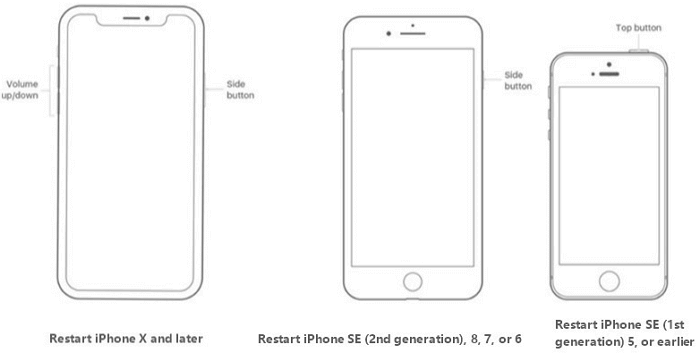
Restart Different Modes of iPhone
Method 2. Update iOS to the Latest Version
When iPhone passcode expired is triggered by a system bug or a temporary security policy sync issue, updating your iPhone to the latest version of iOS can also help you solve this problem. A system update refreshes core security components and may clear the expired passcode prompt when it is caused by software inconsistencies rather than an active device management policy.
Here’s how to update the iOS version via iTunes:
Step 1. Connect your iPhone to your computer via USB cable.
Step 2. Launch iTunes and locate your phone in iTunes by clicking the phone icon in the upper-left corner.
Step 3. It’s better to back up your device before updating it. Select one of the backup options and then click Back Up Now to do so. If you already have a proper backup, skip to the next step.
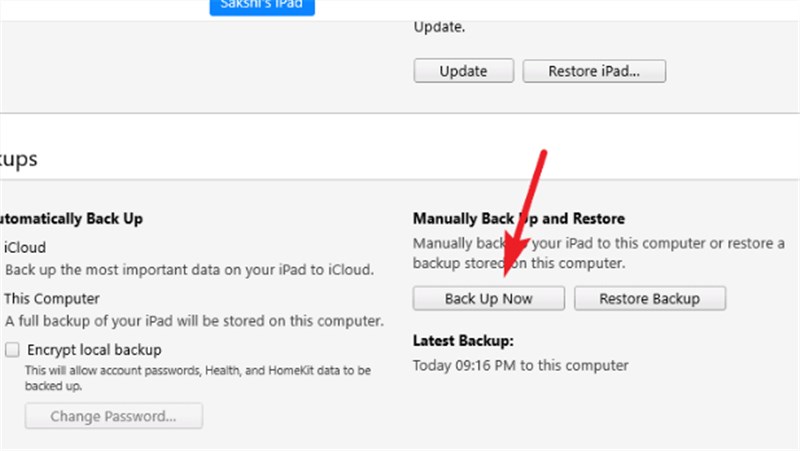
Step 4. Click Check for Update.
Step 5. When iTunes finishes the check, a new window will pop up if there’s a new version of iOS. Click Download and Update.
This process may take a while, but your iPhone will be updated to the latest version of iOS. Afterward, check to see if this update resolves your passcode expiration issue.
Method 3. Clear Your Internet History
In some cases, the iPhone passcode expired message is caused by cached security configuration data from a work/school email account, MDM policy server, or network authorization gateway. Clearing your browser history and stored website data forces your iPhone to refresh security-related network settings and may stop the prompt from reappearing if it was caused by outdated policy caching rather than an active management profile. Follow the steps below:
Step 1. Open Settings. Scroll down and tap Safari.
Step 2. Select Clear History and Website Data, and confirm the action.
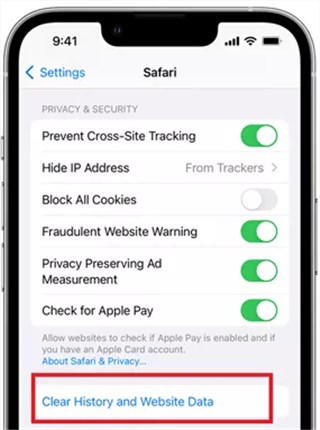
This does not remove Wi-Fi passwords or personal data, but it does reset network and connectivity configurations.
Method 4. Change the Expired iPhone Passcode
If the “Passcode Expired” alert is being enforced by a security policy, updating your passcode will allow you to unlock and continue using your device. This method does not remove the underlying policy. It simply satisfies the requirement temporarily, and the prompt may return based on the policy’s schedule. Here are the steps:
Step 1. Go to Settings > Touch/Face ID & Passcode. Enter your old passcode.
Step 2. Scroll down to find Change Passcode and tap it.
Step 3. Enter your old passcode again when prompted.
Step 4. Then, enter your new passcode and verify it by entering it again. You can change the passcode format by tapping Passcode Options and select from one of the formats listed.
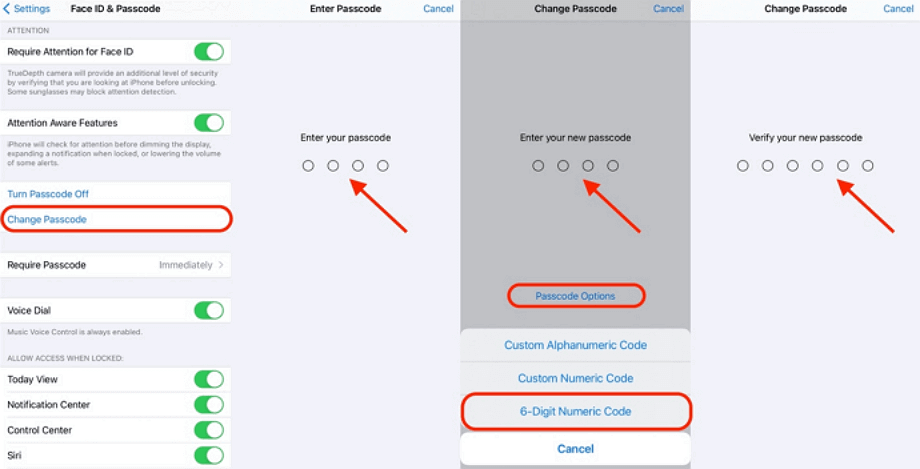
Change Passcode in Settings
Method 5. Remove Any Work or School Email Account
If your iPhone shows the “Passcode Expired” message after you’ve added a work or school email, the issue may be caused by the security policies synced with that account. Many organizations require connected devices to follow their rules, such as enforcing complex passcodes or setting an expiration schedule. Removing the account will lift these restrictions and stop the prompt from reappearing. Follow the steps to remove a managed email account:
Step 1. Open Settings on your iPhone.
Step 2. Tap Mail (or Accounts & Passwords on older iOS versions). Select Accounts.
Step 3. Choose the Exchange, Microsoft 365, or other work/school account.
Step 4. Tap Delete Account and confirm your choice.
Step 5. Restart your iPhone to apply the change.
- Deleting the account will also remove its associated mail, contacts, and calendars from your iPhone.
- If the “Passcode Expired” alert persists after removing the account, your device may also have a mobile device management (MDM) profile enforcing the policy.
Method 6. Remove MDM Profile
The recurring iPhone passcode expired message may be because your iPhone is managed by an MDM profile. These profiles are often installed by companies, schools, or previous owners to enforce security rules, including requiring passcodes to expire after a certain time. Removing the MDM profile is the most direct and permanent way to stop the passcode expiration prompt. However, this can only be done if you have permission or full ownership of the device. You must have the necessary administrator credentials or MDM removal permission. Follow these steps to check and remove an MDM profile:
Step 1. Open Settings on your iPhone. Go to General > VPN & Device Management (or Profiles & Device Management on older iOS versions).
Step 2. Check if you see a management profile listed under Mobile Device Management or Configuration Profile.
Step 3. Tap the profile name to view details. If you have the option, select Remove Management or Delete Profile, then confirm.
Step 4. Enter your device passcode if prompted, and restart your iPhone.
If you can’t remove the MDM because a password or permission is still required, AnyUnlock can help you bypass MDM without passwords.
Method 7. Reset Expired iPhone Passcode via iCloud
If you can’t change your passcode in Settings, you can reset passwords with iCloud. With iCloud, you can erase all content and settings on your iPhone, including the passcode. You can then reset a new passcode on your iPhone after the erase. However, if you don’t have a proper backup, there may be data loss during this process. Be careful to check the backup of your iPhone before proceeding with the following steps:
Step 1. Sign in to your iCloud account and follow the steps below.
Step 2. Click Find iPhone. Click All Devices to see a list of all your devices associated with this iCloud account. Select your iPhone.
Step 3. Click Erase iPhone. After the erase is complete, go to Settings to set up a new passcode on your iPhone.
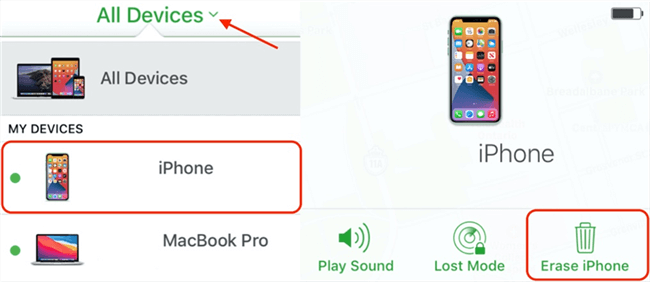
Erase iPhone via iCloud
Method 8. Change Passcode via AnyUnlock [Without Credentials]
For users who have forgotten their iPhone passcode and can no longer access the device due to the iPhone passcode expired issue, AnyUnlock offers a practical recovery option. Instead of going through Apple’s lengthy verification process, AnyUnlock allows you to remove the screen lock and reset your iPhone directly, helping you regain access and fix the passcode expiration issue quickly.
AnyUnlock works by removing the existing screen lock, whether it’s a 4-digit, 6-digit, Touch ID, or Face ID passcode. This tool lets you set up a new one from scratch, helping you restore normal access to your device and solve the expired passcode requirement.
Key Features of AnyUnlock:
- Removes forgotten screen passcodes without Apple ID or iTunes.
- Supports all lock types and the latest iOS 26 & iPhone 17.
- Restores access to disabled or locked-out devices in minutes.
- User-friendly interface that requires no technical skills.
- Also unlocks iTunes encrypted backup, iCloud activation lock, Apple ID, and more.
Free Download* 100% Clean & Safe
Here are the steps to change passwords and fix iPhone passcode expired issue via AnyUnlock:
Step 1. Free download AnyUnlock and launch it on your computer. Then select Unlock Screen Passcode option from the homepage.
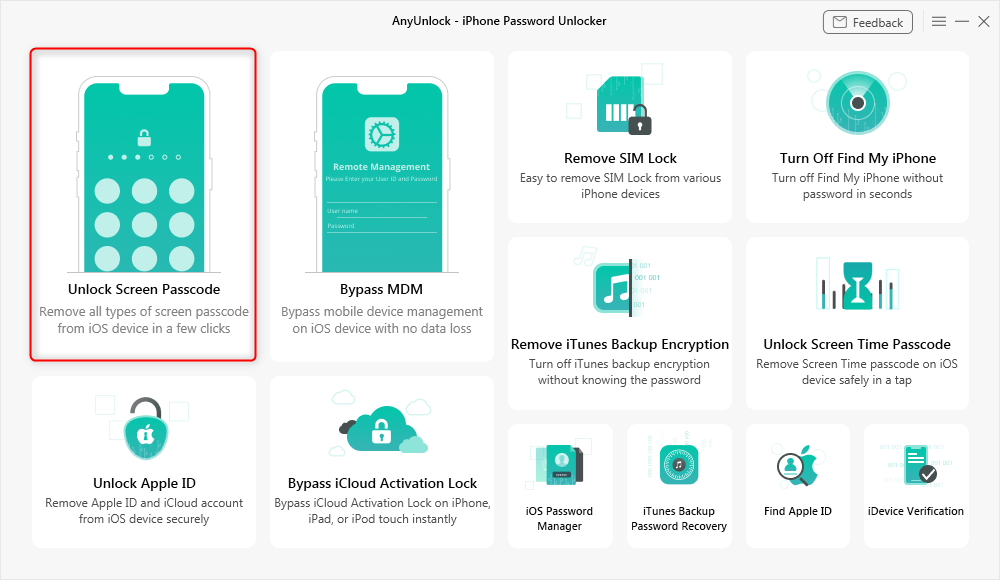
Choose Unlock Screen Passcode
Step 2. Connect your iPhone to a computer with the USB cable > Tap the Start Now button.
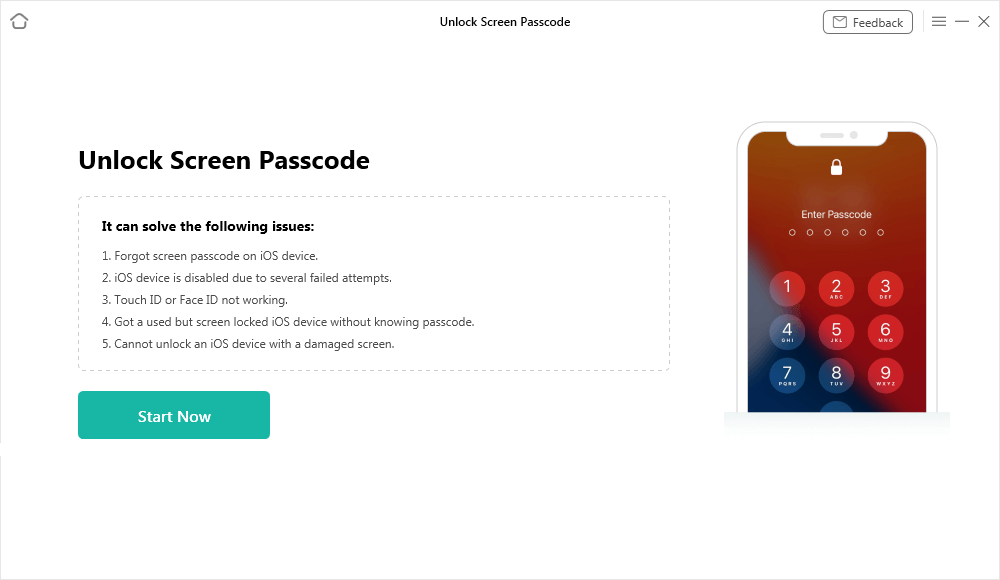
Click Start Now Button
Step 3. After device information is detected, click the Download button to download the firmware.
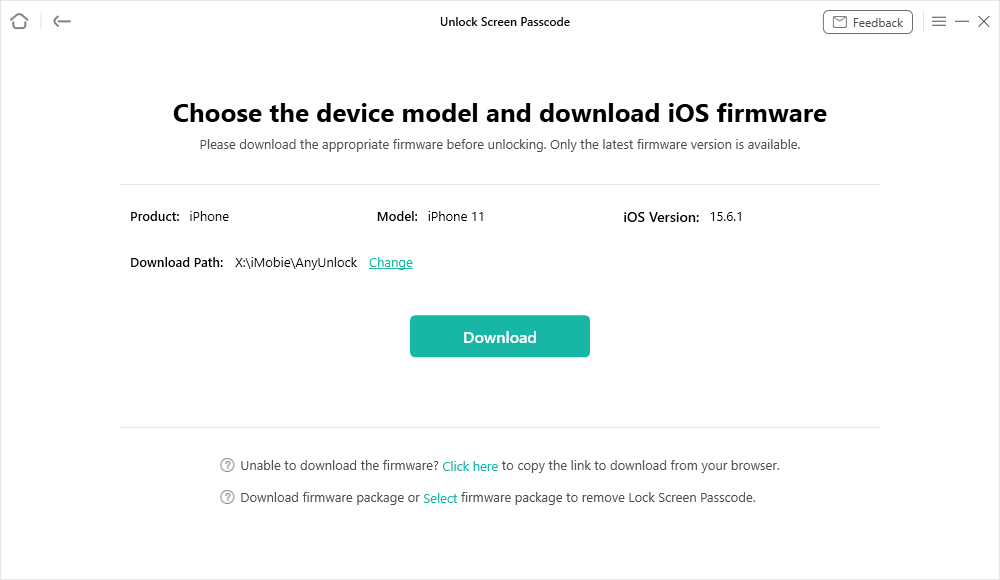
Get a Matching Firmware
Step 4. When the firmware is downloaded, click Unlock Now and AnyUnlock will start the unlocking process automatically. Please do not disconnect your device until it restarts.
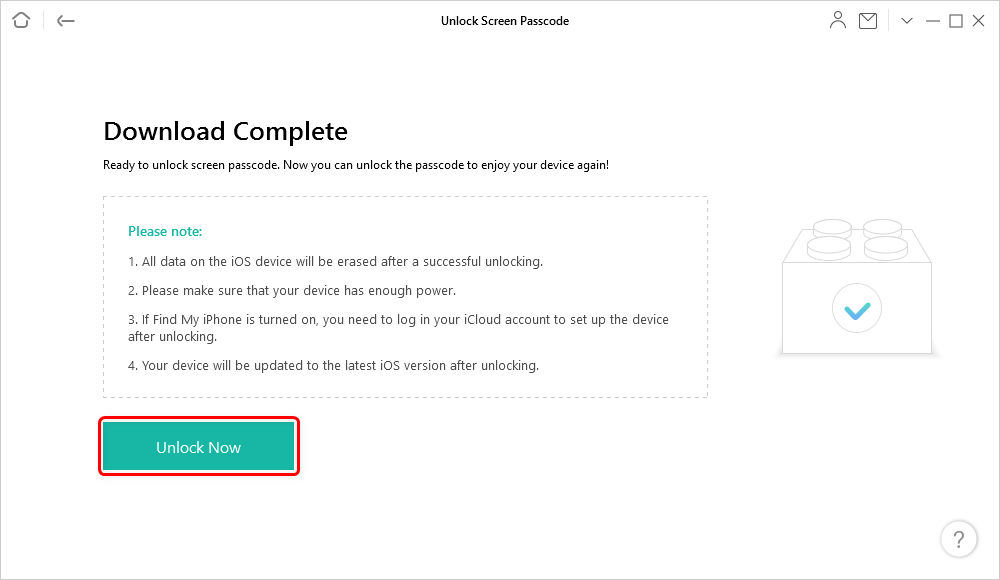
Tap on Unlock Now to Remove Screen Passcode
Step 5. When the recovery process is completed, you will see the Screen passcode removed successfully interface as below.
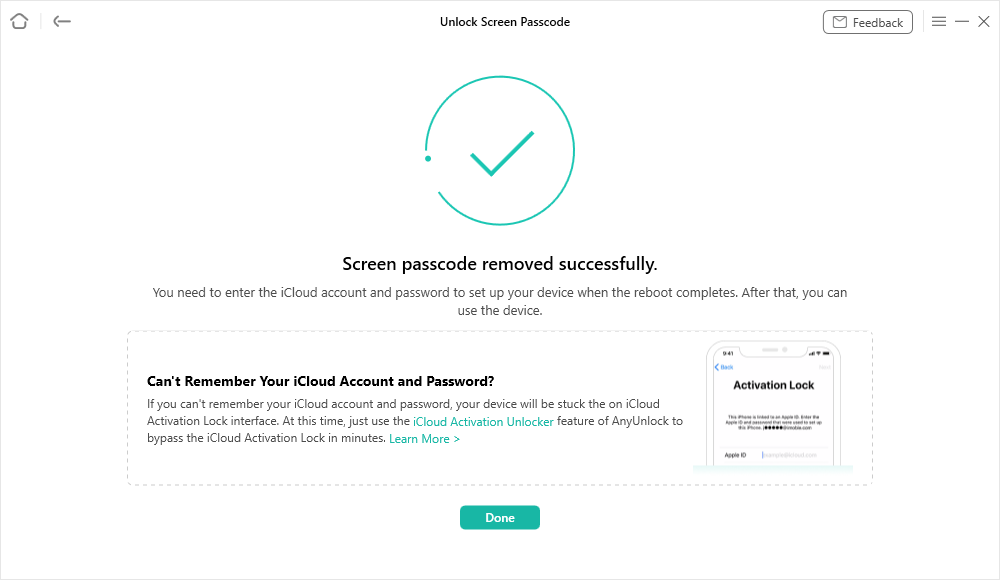
Screen Passcode Removed Successfully
Bonus Tip: How to Make My Passcode on My iPhone Longer?
When you fix the passcode expiration issue and successfully get into those apps or accounts, it’s important to keep in mind that these apps or accounts may contain sensitive information that you want to keep private. Therefore, making your iPhone passcode longer and harder to guess becomes essential.
You can simply make your iPhone passcode longer by selecting the Custom Alphanumeric Code format during the passcode setup. With this format, your passcode will be a combination of numbers and letters and will be in any length you want.
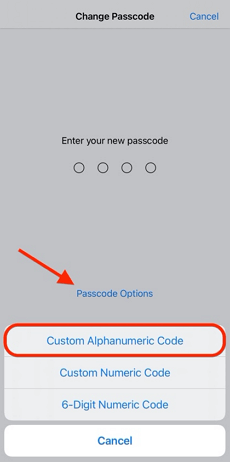
Choose Custom Alphanumeric Code as Passcode Format
FAQs about iPhone Passcode Expired Issue
Q1. How to fix iPhone passcode expired when you can’t change it?
If you can’t change your passcode, your iPhone may be managed by a work or school policy. Remove any MDM profiles or work/school email accounts under Settings > General > VPN & Device Management, or contact your administrator for help.
Q2. How to identify iPhone passcode expired virus?
A real Apple alert appears on the system screen and can’t be closed without action. If it shows up in a browser or asks for personal info, it’s fake. Just close it and clear your Safari history.
Q3. What happens after 10 failed passcode attempts on an iPhone?
After 10 failed attempts, your iPhone will be disabled. If “Erase Data” is enabled, all data will be wiped. You’ll need to reset or unlock your device to regain access.
The Bottom Line
The “iPhone Passcode Expired” message can be confusing, but it usually results from security settings or management policies rather than a system error. By understanding the cause and applying the right fix, you can restore normal access safely. And if you ever forget your passcode, AnyUnlock provides a reliable way to regain access and reset your iPhone with ease. Some methods may erase device data, so it’s always wise to back up your iPhone in advance to prevent data loss.
Free Download * 100% Clean & Safe



Joy Taylor is a seasoned technical writer with over a decade of experience in mobile technology. At iMobie, she specializes in producing in-depth content on iOS data recovery, iPhone unlocking solutions, and iOS troubleshooting.
Product-related questions? Contact Our Support Team to Get Quick Solution >
