Does Life360 Notify When You Check Someone’s Location?
Wondering if people on Life360 can see when you check their location? This guide explains what stays private, which actions trigger alerts, and how Life360 location viewing really works.
Quick Answer: No, Life360 does not tell someone when you check their location. If you open the map, zoom in, tap a profile, check battery status, or refresh the map, the other person does not receive a “viewed your location” notification. In other words, if you are wondering can people on Life360 see when you check their location, the answer is no. They can see your shared location if you are in the same Circle, but they cannot see how often you view them or when you last checked their location.
| Terms Explained: |
|
For many parents and family members, the digital safety net can feel like a double-edged sword. You install Life360 to ensure your loved ones arrive safely at practice, school, or work, but a worry may remain: does constantly checking the map damage trust? The fear of being labeled a “helicopter parent” is real, as is the concern that your children or family members feel constantly watched.
The confusion around does Life360 tell you when someone checks your location often leads to unnecessary tension. You need to know if your safety concern is being broadcast as “surveillance” to the rest of the family. Understanding Life360 location check notifications is essential for maintaining the balance between safety and autonomy.
This 2026 privacy guide provides verified answers based on hands-on testing, helping you understand what Life360 shows, what stays private, and which actions actually trigger alerts.
Does Life360 Notify When You View a Location?
To answer the primary question directly: No, Life360 does not notify a user when you check their location.
During our extensive technical audit, we repeatedly opened the app, zoomed in on specific Circle members’ pins, tapped profile icons, checked battery status, and manually refreshed the map view. In every instance, the target phone remained silent. There were no push notifications, no email alerts, and no in-app banners saying that a view had occurred.
If you are asking, “Can I view location secretly on Life360?” the answer is technically yes. Life360 is designed for passive background location sharing within a Circle. This allows parents and Circle members to check safety status without disrupting the other person’s day with constant pings.
Passive Viewing vs. Active Alerts
It is important to distinguish between passive viewing and active actions. This distinction is where much of the misinformation around Life360 starts.
- Passive Viewing: Opening the map, zooming in, tapping a profile, or checking battery status is silent. These actions do not send a signal to the tracked device saying, “User X is looking at you.”
- Active Actions: Features that involve interaction, such as pressing “Check-In,” triggering SOS, or creating Place Alerts, can generate visible notifications.
The app updates real-time location and history silently. You can check the map freely; Life360 does not broadcast your viewing activity to the Circle.
Can People on Life360 See When You Check Their Location?
No. People on Life360 cannot see when you check their location. They also cannot see how many times you viewed their profile, when you last opened their location, or whether you zoomed in on their map pin.
This long-tail question — can people on Life360 see when you check their location — usually comes from users who are worried that Life360 works like a social media app with profile view tracking. It does not. Life360 does not offer a “who viewed me” list, profile view history, or map viewer log.
Here is what Circle members can and cannot see:
- They can see: Your shared location, battery level, driving reports, places, and location history depending on your settings and plan.
- They cannot see: Whether you checked their location, how often you checked, when you last viewed them, or whether you tapped their profile.
Critical Warning: The Battery Drain “Tell”
While the app itself does not send a notification, there is one technical side effect that can unintentionally reveal heavy checking: battery drain.
Every time you refresh the map or keep the app open to watch a family member move in real time, Life360 may cause the target phone to wake up its GPS radio to send updated coordinates. GPS is one of the most power-hungry components of a smartphone.
If you check the map obsessively, such as every few minutes, the target user may notice their battery percentage dropping faster than usual. If a teenager’s phone typically lasts until 8 PM but suddenly dies by 3 PM, they may suspect that location services are being used heavily.
To maintain privacy, reduce tension, and prevent device issues, avoid keeping the map open for extended periods. A quick check is usually enough for safety purposes.
Action vs. Alert: Which Life360 Activities Trigger Notifications?
Misinformation about GPS tracking alerts often spreads through social media, causing unnecessary panic. To provide clarity, we have broken down standard Life360 interactions to show exactly which ones are visible to other Circle members.
Silent Actions vs. Visible Alerts Matrix:
| Action | Triggers Push Notification? | Visible in History/Feed? |
| Opening the App | ❌ No | ❌ No |
| Zooming in on a Map Pin | ❌ No | ❌ No |
| Tapping on a User’s Face/Profile | ❌ No | ❌ No |
| Checking Battery Status | ❌ No | ❌ No |
| Refreshing the Map View | ❌ No | ❌ No |
| Pressing “Check-In” | ✅ Yes | ✅ Yes |
| SOS Button / Panic Alert | ✅ Yes | ✅ Yes |
| Arriving/Leaving a “Place” | ✅ Yes | ✅ Yes |
| Battery Low Alert | ✅ Yes, if enabled | ✅ Yes |
As the matrix shows, simple monitoring actions are silent. Life360 reserves notifications for events that require attention, such as arrivals, departures, check-ins, battery alerts, and emergencies. You do not need to worry that tapping on your child’s profile to check their battery percentage will send them an alert.
The “Location Icon” Factor: Why Users Feel Watched
A common source of confusion is the sudden appearance of a small arrow icon in the status bar of a phone. This visual cue often leads to the question: “Can Circle members see when I last checked their location just because this icon appeared?”
Here is the technical reality: that arrow is a system indicator, not a Life360 viewer alert.
System vs. App-Level Indicators
When Life360 uses GPS, the phone’s operating system may show a location services icon. This icon only means that an app or system service is using location access. It does not identify who is viewing the location.
- What it means: The phone is saying, “My GPS or location service is currently active.”
- What it does not mean: It does not mean “Mom is specifically looking at your location right now.”
This distinction is crucial for peace of mind. Background apps, weather widgets, fitness trackers, map apps, and Google Maps can all trigger the same icon. If someone sees the location arrow, they cannot know whether it was triggered by Life360, a weather app, navigation, or another location-based service.
Managing Privacy: Controlling Visibility and “Bubbles”
There are moments when family members, especially teens, feel stifled by precise tracking even if no one is constantly checking. You may need a method to respect their independence without fully disabling the safety net.
The solution lies in Life360 privacy settings, especially a feature called Bubbles.
Using Bubbles to Balance Safety and Trust
For users asking what privacy settings control location visibility without turning off the app entirely, Bubbles offer a middle ground between full precision tracking and completely disabling location sharing.
When a Bubble is active for a Circle member:
- Visibility: Circle members see a large circle on the map indicating the general area where the user is located, such as a 1-5 mile radius.
- Privacy: The exact address and specific movements are hidden.
- Safety Override: If a crash is detected or an SOS is triggered, the Bubble bursts, revealing the exact location so help can be sent.
How to Enable Bubbles Step by Step
You can configure this setting in less than a minute. Follow these steps in the Life360 app:
- Open the Life360 app and tap the Settings icon in the top left corner.
- Select Circle Management.
- Tap Bubble Access.
- Choose the family member you wish to create a Bubble for.
- Adjust the size of the Bubble radius and confirm.
By enabling a Bubble, you address the fear of unnecessary monitoring. You can still see that someone is generally in the “School Zone” or “Town Center,” but you cannot track every footstep. This reduces tension and proves that Life360 can be used effectively without intrusive monitoring.
Free vs. Paid Plans: Do Gold or Platinum Users See More?
A persistent myth suggests that upgrading to Life360 Gold or Platinum unlocks “stalker analytics,” allowing users to see exactly who viewed their profile. This is false.
We analyzed the feature sets of all tier levels to answer a common question: does a paid Life360 account change notifications regarding profile views?
- Free Plan: No notification on view. 2 days of location history.
- Gold/Platinum Plans: No notification on view. Longer location history, depending on plan.
The Limits of Premium Features
While paid plans may provide a longer location history, they do not generate logs showing who looked at the map. The upgrades focus on physical safety features, not social surveillance.
This distinction addresses common misinformation from forums claiming premium users have “super admin” privileges to see who is watching them. The core privacy mechanics remain the same across all tiers. You cannot pay extra to see who checked your location.
Fonelora Location Changer as a Practical Privacy Control Option
If you are trying to understand whether Life360 notifies someone when you check their location, the key takeaway from real-world testing is that the app does not send any alert or log when someone views the map. Location sharing happens continuously in the background, and visibility is mutual within the Circle rather than activity-based.
However, many users still feel uncomfortable with constant tracking or want more control over how their location appears during certain situations. This is where a system-level GPS tool like Fonelora Location Changer can be useful as an alternative approach.
Unlike unstable mobile “spoofing apps,” Fonelora works through a desktop connection, allowing you to adjust or simulate your device’s location without modifying system files or requiring jailbreak/root access. It is commonly used for privacy management, testing location-based apps, or preventing real-time exposure of exact coordinates across services like Life360.
How to Use Fonelora Location Changer
Step 1: Connect Your Device
Install Fonelora on your Windows or Mac computer. Connect your iPhone or Android device via USB and confirm trust or permission prompts.
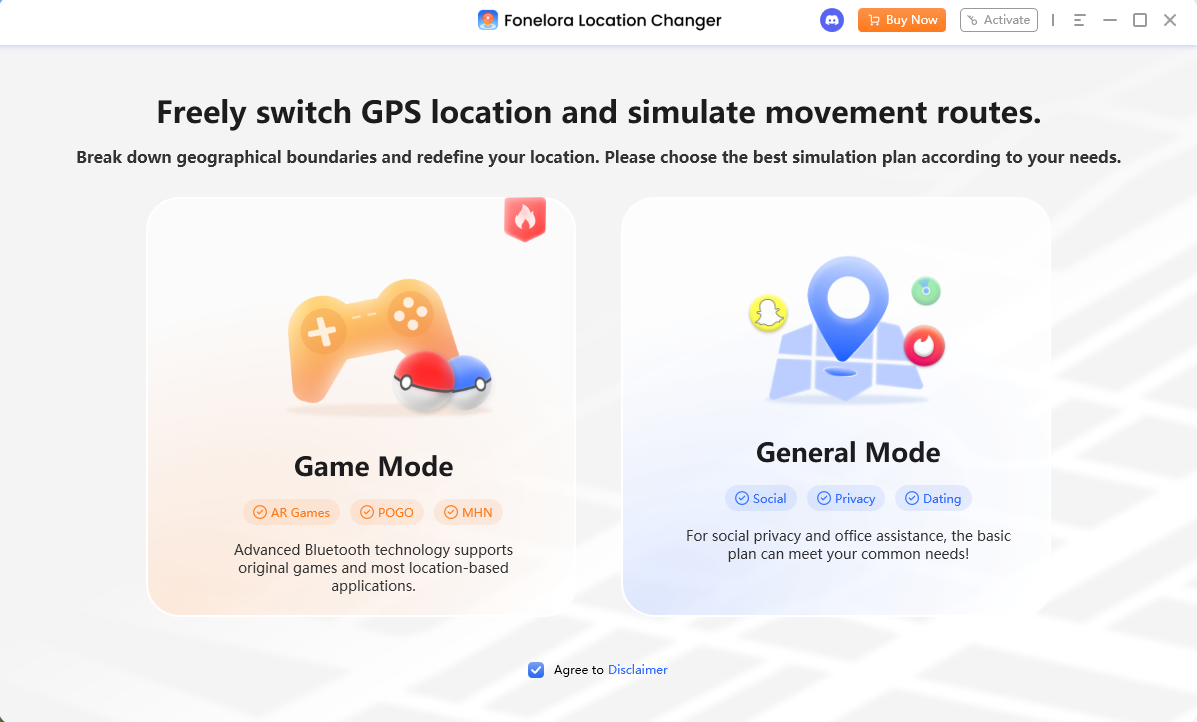
Step 2: Select a Mode
Choose the mode based on your needs:
- Teleport Mode – instantly change location to a selected area
- Joystick Mode – simulate real-time movement
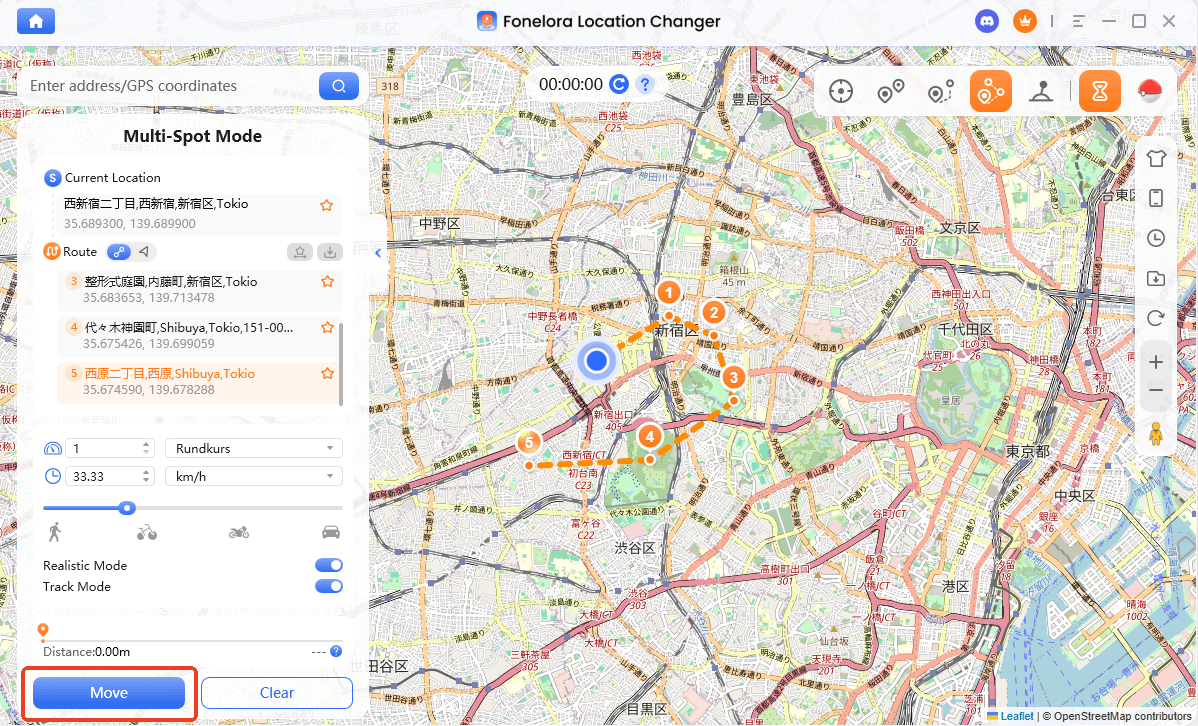
- Route Mode – create multi-point movement paths
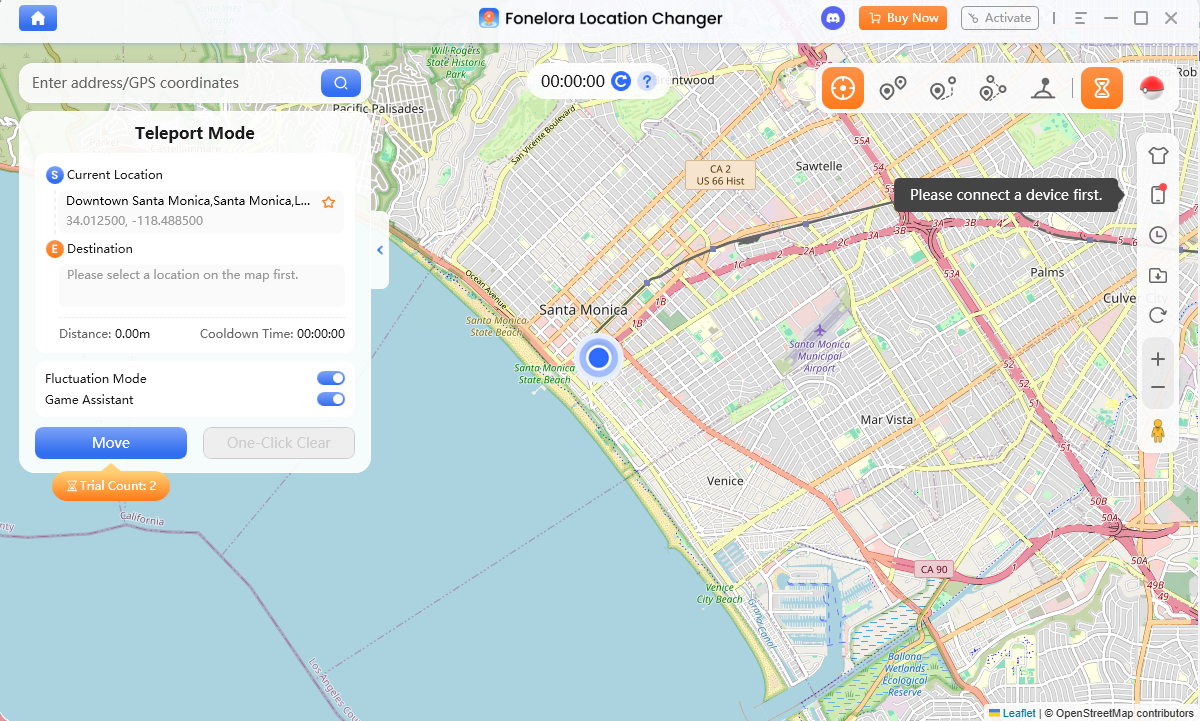
Step 3: Set a Location
Search for a location on the map or enter coordinates, then click “Move” to update your GPS position across apps.
Frequently Asked Questions About Life360 Tracking
To ensure you have complete clarity on Life360 who viewed my location concerns and other tracking questions, here are the direct answers to the most frequently asked questions.
Q1. Does Life360 notify someone when I check their location?
No. Viewing the map, zooming in, tapping a user’s picture, or checking battery status is silent. Life360 does not send a notification when you check someone’s location.
Q2. Can people on Life360 see when you check their location?
No. People on Life360 cannot see when you check their location. They cannot see how many times you viewed them, when you last checked, or whether you tapped their profile. Life360 does not provide a viewer history feature.
Q3. Does Life360 show a view history?
No. There is no “Viewed By” list, access log, or viewer history available to users. This is true for both free and paid Life360 plans.
Q4. How do I know who has viewed my location?
Currently, Life360 does not provide a feature that allows you to see who has viewed your location. The app is designed for passive background sharing, not social networking analytics like LinkedIn.
Q5. Can Circle members see when I last checked their location?
No. Your activity within the app is private. Circle members can see your current location and battery status, but they cannot see your in-app behavior or how often you check the map.
Q6. Does Life360 log location view history for other users to see?
No. While the app tracks where a person has been through Location History, it does not track or show “view history” of who looked at those locations.
Q7. Does the Life360 location icon mean someone is watching me?
No. The location icon is a general phone system indicator. It means an app or system service is using location access. It does not identify who is checking your location or whether someone is viewing you on Life360.
Q8. Do Life360 Gold or Platinum users know who checked their location?
No. Paid plans may offer longer location history and extra safety features, but they do not show who viewed your location or when someone checked your map pin.
Q9. What Life360 actions do notify people?
Actions such as Check-In, SOS alerts, Place arrival or departure alerts, crash alerts, and certain battery notifications may be visible. Passive map viewing does not trigger a notification.
Conclusion
The anxiety around checking Life360 usually fades once you understand how the app works. The question does Life360 tell someone when you check their location is not just about technology; it is also about trust, family boundaries, and communication.
The clear answer is: Life360 does not notify someone when you view their location. People on Life360 cannot see when you check their location, how often you check, or when you last looked at their profile. However, frequent checking can still have indirect effects, such as battery drain or increased sensitivity around privacy.
By using features like Bubbles and having open conversations about why the app was installed, the “surveillance” feeling can be reduced and replaced by a healthier safety system. If you are ready to establish a better digital dynamic, start by discussing Bubbles with your Circle today to find the right balance between protection and privacy.
More Related Articles



Joy Taylor is a seasoned technical writer with over a decade of experience in mobile technology. At iMobie, she specializes in producing in-depth content on iOS data recovery, iPhone unlocking solutions, and iOS troubleshooting.
Product-related questions? Contact Our Support Team to Get Quick Solution >
