[Fixed] iPhone/iPad Apps Keep Crashing? Even on iOS 27!
Are your apps keep crashing on iPhone or iPad suddenly, especially after upgrading to the latest iOS 27 Beta? Learn 7 proven ways to fix iPhone apps crashing loops, free up storage, and deploy AnyFix to repair system-level framework glitches instantly without any data loss.
App keeps crashing on your iPhone or iPad suddenly? Looking for ways to solve this annoying issue? Suppose you are using an app on your iOS device and it closes right after you launch it without any notice, or repeatedly crashes mid-use—it is called an application crash. This usually happens due to severe memory conflicts, dynamic library linking failures, or corrupted local data registries. Don’t worry, here we collect 7 advanced and practical solutions to help you fix the app keeps crashing on iPhone or iPad problem without effort.
7 Tips to Fix: App Keeps Crashing on iPhone/iPad
There could be various reasons as to why the iPhone keeps closing apps. Therefore, we have got seven different tips for you to apply and see if they help resolve the issue for you on your device.
Method 1. Update the App to Rebuild Compatibility
If you’re using an outdated app build, chances are its core API frameworks are no longer fully compatible with the architecture adjustments of your newer iOS version. In this case, the first thing you should do is head over to the official App Store and update the app to the newest version available. The newer version will likely have targeted patches and stability tweaks that will prevent runtime iphone apps crashing loops.
Method 2. Quit and Re-Launch the App to Clear Temporary Glitches
Many of the time it’s just a small transient runtime conflict or an overloaded interface thread that makes the app crash on your device. What you can do in this situation is swipe up from the bottom of your screen to access the app switcher, force-quit the problematic app, and then relaunch it. This will make the app load all the required active resources from a completely fresh state.
Method 3. Hard Force Restart Your iPhone/iPad
When localized files get stuck in the volatile RAM of your device, they can severely interfere with the app that you are trying to launch, causing persistent crashes. A deep force restart is highly recommended to flush your device’s memory registers completely, especially when you encounter iphone apps crashing after update loops.
- For Modern iPhone/iPad with Face ID: First press and quickly release the Volume Up button, then press and quickly release the Volume Down button, finally press and hold the Power/Side button until the Apple logo appears on your display panel.
Method 4. Uninstall and Re-Install the App
If superficial data refreshes fail, the app’s localized cache registry inside the iOS sandbox has likely suffered structural corruption. To clear this, tap and hold the target app icon until it jiggles, select Delete, and head to the App Store to reinstall a fresh bundle. Note: If the application contains vital offline attachments or personal files, be sure to have a secure backup synced before completely wiping the app from your device.
Method 5. Update Your Device to the Latest iOS Stability Patch
It could be that the app you are trying to run requires advanced system components or security protocols that are only offered in the latest version of the iOS. The iPhone requires the latest iOS update in order to sync properly, so make sure that you have the newest iOS version installed with bug fixes. Apple regularly rolls out sub-version patches and security responses to fix broken system media daemons and system-level app crashes. Keeping your system updated ensures maximum framework synchronization.
- Go to Settings > General > Software Update on your mobile device.
- If an update is available for your device, it will be shown on your screen. Tap on the Download and Install button to download and install the update on your device.
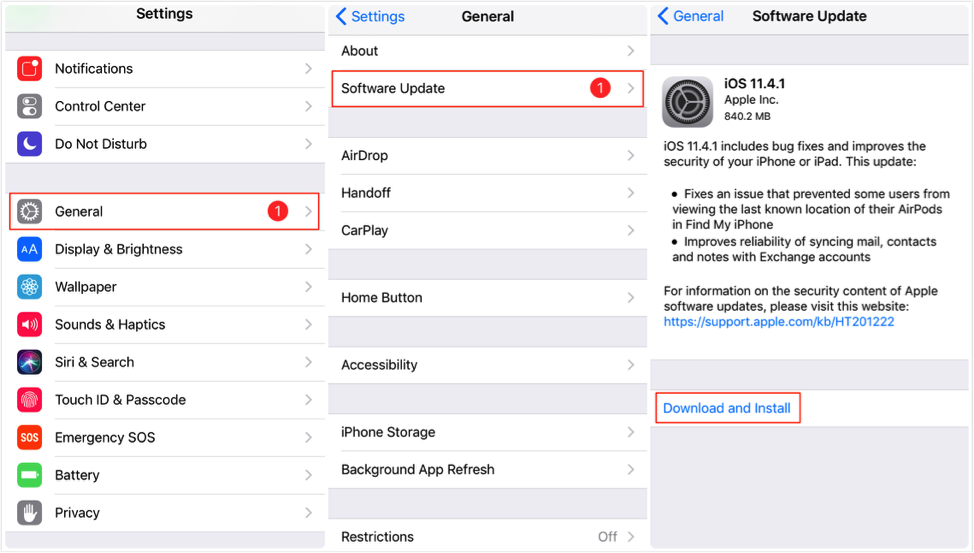
Fix: App Keeps Crashing on iPhone/iPad – Update iOS Version
Method 6. Check and Free Up Storage Space on Your Device
When your iPhone or iPad runs critically low on local physical storage, the iOS internal virtual memory management system will aggressively terminate active background processes and force-close foreground apps without warning to protect system integrity. Checking and freeing up storage blocks can immediately eliminate these sudden crashes.
- Open the Settings app and tap on General followed by iPhone Storage.
- Review the list and remove large, unneeded files, redundant caches, or rarely used applications to release vital operational bandwidth for your daily apps.
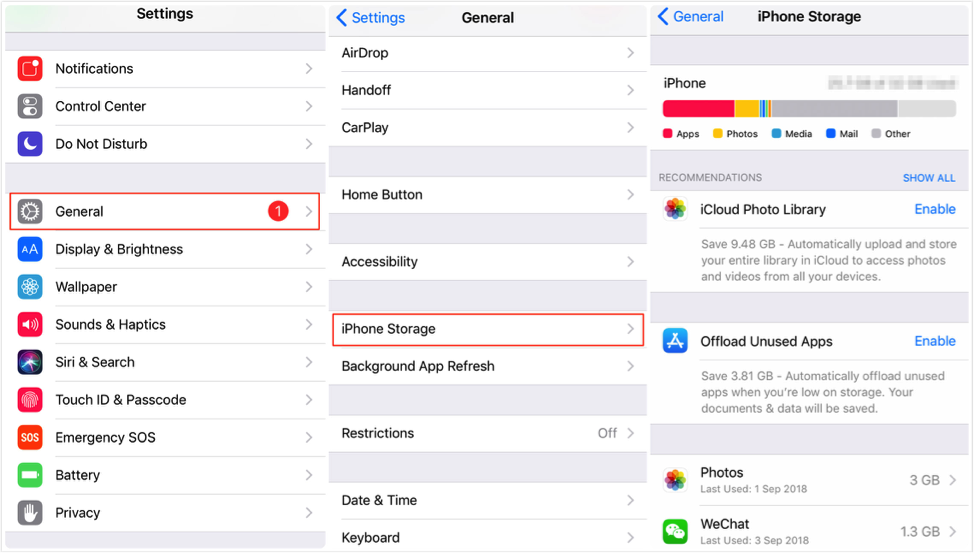
Fix: App Keeps Crashing on iPhone/iPad – Free Up Space
Method 7. Reset Network Settings on Your Device
Certain dynamic software suites connect to their cloud servers to verify initial configuration scripts upon launch. If they face network caching lockups or local DNS resolution failures, they will keep crashing instantly. You should back up your iPhone before because it will cause data loss during resetting.
- Go to Settings > General > Reset.
- Tap “Reset Network Settings” to wipe out corrupted network caches and Wi-Fi registries.
- Enter the passcode and then tap “Reset Network Settings” in the pop-up box.
How to Fix iPhone/iPad Apps Crashing via AnyFix (Step-by-Step)
When clearing sandboxed caches, upgrading storage arrays, and network resets fail to stabilize your applications, the problem isn’t a flaw in the apps themselves—it indicates a system corruption deep within the iOS core firmware runtime layer. Major system software updates can occasionally disrupt localized background daemons, causing severe dynamic link failures that crash third-party tools instantly. This is exactly where AnyFix – iOS System Recovery acts as your professional troubleshooter.
AnyFix – Fix iOS System Issues & Stabilize Apps
AnyFix helps you easily fix various iOS update issues like apps keeping crashing, being stuck on the Apple logo, recovery mode loop, or got a black screen, etc.
It rewrites missing background registries and rectifies firmware errors smoothly via its signature Standard Repair framework. 100% safe and secure, no matter you have backups or not! Free download it to fix iPhone/iPad system issues now.

Engineered as a robust iOS system recovery suite, AnyFix is capable of repairing 130+ intricate iPhone/iPad system glitches and over 200+ complex iTunes structural bugs without data loss. Follow the detailed steps below to fix the application crash loop on your mobile device:
Step 1. Download AnyFix and install it.
On your computer, download and install AnyFix, and connect your iPhone or iPad with a USB cable. Open AnyFix and choose the **System Repair** option on the main interface.
Free Download * 100% Clean & Safe
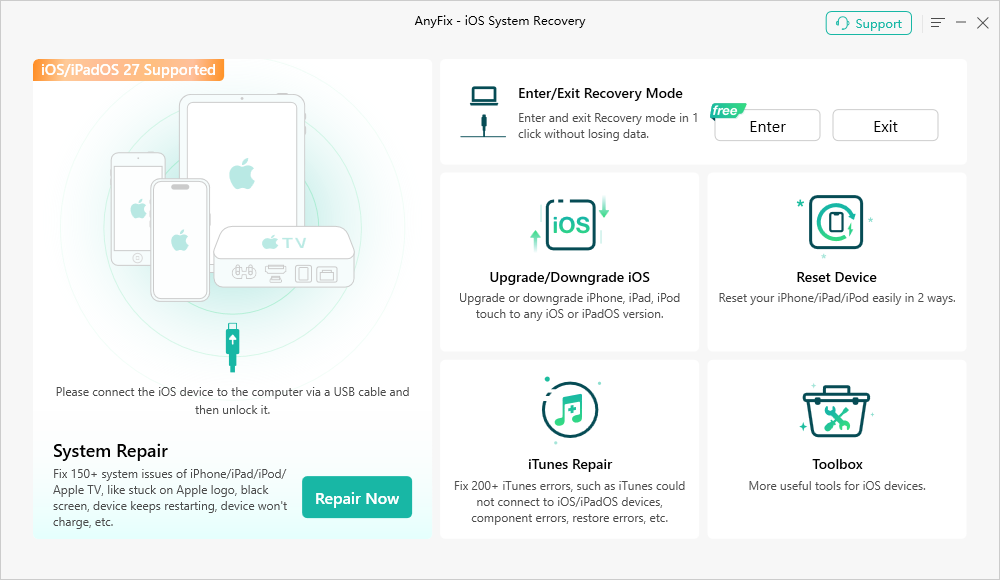
AnyFix System Repair Option
Step 2. Select iPhone/iPad Problems to start
Here you can choose according to your device model category (e.g., iPhone Problems or iPad Problems). Click the **Start Now** button to continue scanning your device frameworks.
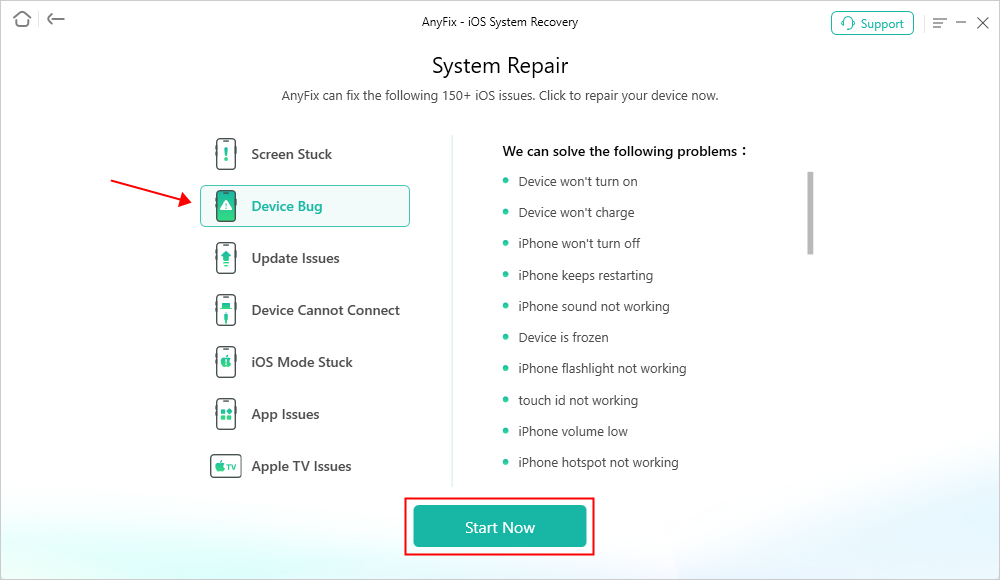
AnyFix System Repair Device Bug
Step 3. Choose a repair mode.
AnyFix provides you 3 modes to repair your iOS firmware, you can choose according to your problem type. The **Standard Repair** Mode will safely overwrite missing root registries and will NOT erase any data on your device. Here we take it as an example.
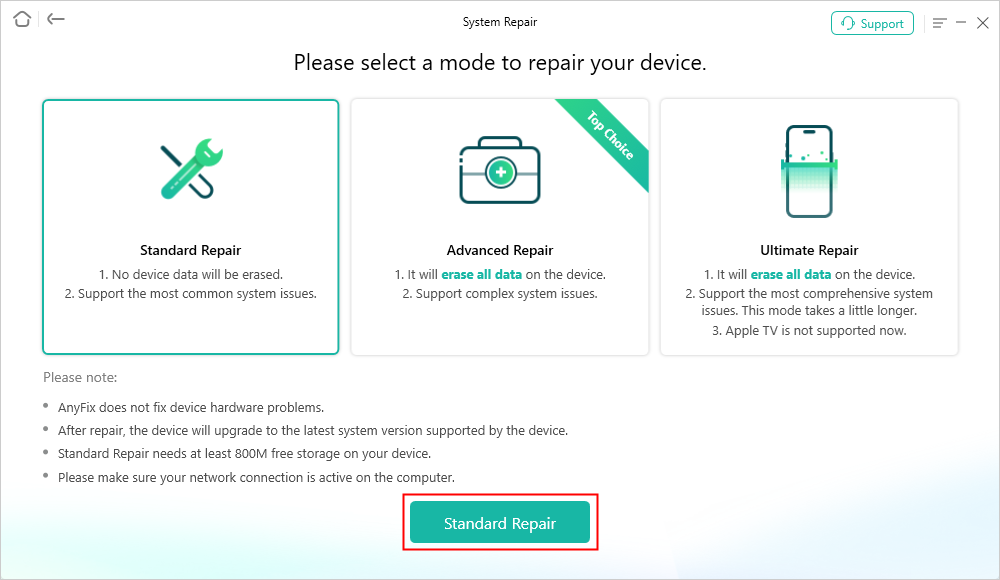
AnyFix Standard Repair
Step 4. Download a matching firmware.
AnyFix will automatically detect your device model and offer the optimized iOS firmware package. Please click the **Download** button to match your device environment.
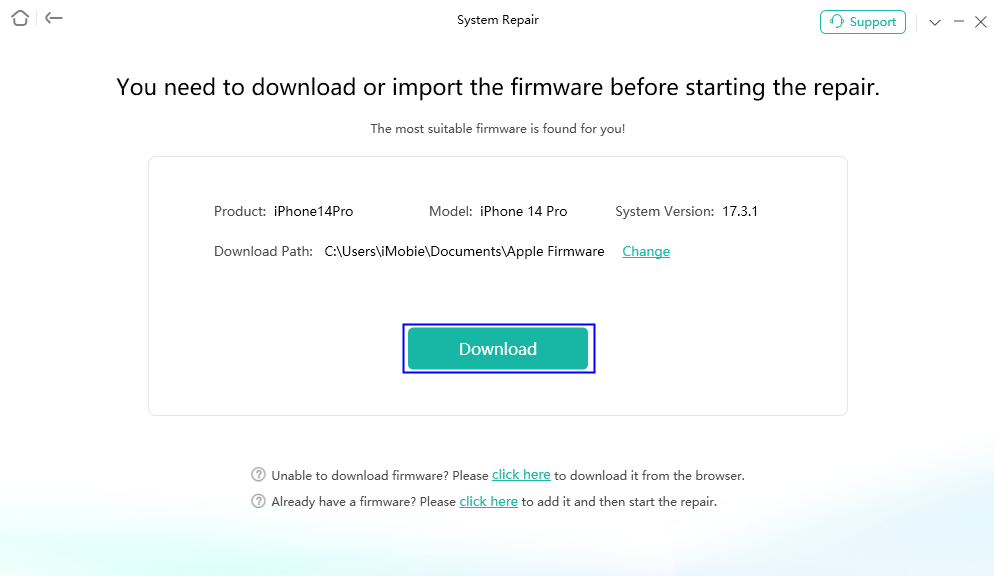
AnyFix System Repair Firmware Download
Step 5. Start repairing your system layer.
After downloading the firmware, click **Fix Now**. AnyFix will start to repair your iOS system bugs. Once the process completes, launch your apps to see if the crashing loop has been solved perfectly.
People Also Ask about App Keeps Crashing on iPhone
Q1: Why do my iPhone apps keep crashing after upgrading to iOS 27 Beta?
This is common in newly deployed beta structures like iOS 27. The brand-new **Liquid Glass interface threads** and radical API framework reconstructions often create a severe runtime syntax mismatch with legacy application builds. When third-party apps attempt to invoke deprecated system daemons or make illegal memory calls to secure system pools, the iOS 27 kernel executes an immediate process termination to protect environmental integrity, causing an instant crash loop.
Q2: Why do apps freeze and crash on the new foldable iPhone running iOS 27?
iOS 27 introduces native multi-window desktop layouts and **dynamic split-screen windowing feature-sets** customized for foldable display structures. If an application’s local interface configuration asset lacks instructions for responsive layout scaling across different screen form factors (inner vs. outer panel transitions), the runtime dynamic link library will fail to handle the interface re-indexing, forcing the application thread to freeze and crash immediately.
Q3: What role does storage availability play in application crashing loops?
When an iPhone or iPad drops below critical storage thresholds, the internal iOS Jetsam memory management mechanism becomes highly aggressive. To keep the primary iOS operational framework stable, Jetsam will proactively and abruptly terminate active background processes and foreground application memory segments, leading to instantaneous crashes without any warning prompt.
Q4: How do I find the specific crash logs for my crashing apps?
You can locate diagnostic data directly inside your device settings. Go to Settings > Privacy & Security > Analytics & Improvements > Analytics Data. Here you will find detailed diagnostic logs sorted alphabetically. Reviewing log lines starting with the app’s bundle name can pinpoint whether a specific thread or library is causing the software exception.
The Bottom Line
Dealing with applications that persistently drop out or fail to initialize can significantly disrupt your daily digital workflows. Luckily, running basic routines like clearing your local memory caches, freeing up storage blocks, or updating sandboxed applications often relieves surface-level errors. If the crashes stem from a deeper iOS framework malfunction, deploying AnyFix is your smartest diagnostic choice. It safely overwrites and refreshes your background media and system frameworks, ensuring your apps run smoothly again without any data loss. Give it a try now!
Free Download * 100% Clean & Safe
More Related Articles



Joy Taylor is a seasoned technical writer with over a decade of experience in mobile technology. At iMobie, she specializes in producing in-depth content on iOS data recovery, iPhone unlocking solutions, and iOS troubleshooting.
Product-related questions? Contact Our Support Team to Get Quick Solution >
