If you have inserted an SD card into your Android phone but cannot find the files stored on it, the easiest way is usually to open Files by Google , File Manager , or Samsung My Files , then go to Browse/Storage > SD card . If the SD card does not appear there, first check whether your phone recognizes it in Settings > Storage .
This guide covers both modern and older ways to access SD card files on Android. It also explains what file:///sdcard/ means, why some users search for it, why it may not work on newer devices, and what to do instead.
Best way to open SD card files on Android
file:///sdcard/
on Android?
Many users search for terms like
file:///sdcard/
,
file sdcard gallery
, or
index of sd card
when trying to open local storage on Android. In older guides, typing
file:///sdcard/
into a mobile browser could sometimes display a local folder index. That is why these
search queries still appear frequently today.
However, on many newer Android phones and browsers, opening local storage through the browser is no longer the most reliable method. In most cases, using Files by Google , My Files , or another file manager is the easier and more stable way to view SD card content.
Legacy browser test: type file:///sdcard/ to see whether your device still allows local SD card folders to open.
On some older devices, browser-based local access may display an index of SD card folders such as backups or gallery.
This is the best method for most users. Most Android devices already include a built-in file manager. Depending on your brand, it may be called Files , File Manager , or My Files . If your phone does not have one, you can install Files by Google from Google Play.
If you also want to compare removable storage with phone memory, you can read this guide on how to access internal storage on Android . If you want more file browsing options, check this list of the best file manager for Android .
Open Files by Google and tap Browse to locate your SD card in Android storage.
After opening the SD card, you can browse photos, videos, downloads, documents, and other folders directly on your phone.
file:///sdcard/
or an SD Card Path in a Mobile Browser
This is a legacy, device-dependent method kept mainly for users who searched for file:///sdcard/. On many newer Android phones, Files by Google or My Files is the better option.
If you specifically searched for file:///sdcard/ , file:///sdcard/gallery , or similar terms, you are likely trying to open the storage path directly from a browser. On some older devices or configurations, this may still show a local folder index. On newer Android phones, it may not work consistently.
file:///sdcard/
and see whether a folder index opens.
file:///sdcard/DCIM
,
file:///sdcard/Download
, or another folder stored on the card.
Important: this is now a legacy or device-dependent method. If the browser does not open the storage path, switch to Files by Google , My Files , or another Android file manager instead of relying on the browser.
file:///sdcard/
May Not Work on Android
If browser-based access fails, it does not automatically mean your SD card files are gone. In many cases, the issue is simply that direct browser access to local storage is more limited on newer Android versions and browsers. Your phone may still recognize the SD card normally in a file manager app.
If your real issue is that the card is missing entirely, see how to fix an SD card not showing up on Android .
On most Android phones, SD card files are stored in common folders such as
DCIM
,
Download
,
Movies
,
Music
,
Documents
, and
Android
. In advanced cases, removable storage may appear under a path such as
/storage/XXXX-XXXX/
. Most users do not need to open that path manually as long as the file manager can
detect the card.
If you want to move content between phone memory and an SD card, you can also read how to transfer data from an SD card to your Android phone .
If your SD card does not appear in Files, File Manager, or My Files, start by checking whether the phone detects the card in system settings. This is the fastest way to tell whether the problem is with recognition, insertion, formatting, or the card itself.
Open your Android storage settings to confirm whether the SD card is recognized and to check available storage space.
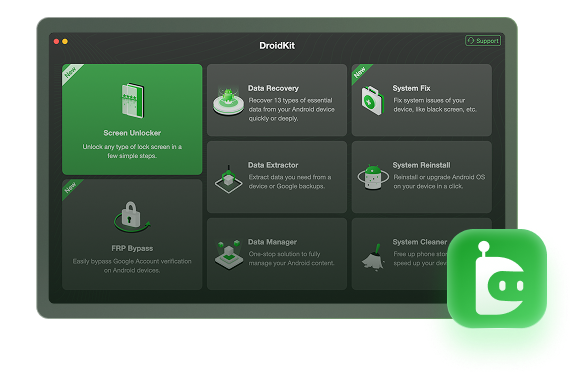
If you want to browse, export, or organize SD card files on a larger screen, using a desktop tool can be more convenient than handling everything on your phone. DroidKit Android Data Manager lets you view Android files on a computer and manage them more easily.
If you also need file recovery help, see how to recover files on a formatted SD card .
Start in DroidKit Data Manager before browsing Android storage on your computer.
Open the Files section in DroidKit to browse Android device storage and SD card folders.
Use DroidKit to view, export, and organize SD card files more conveniently on a computer.
If you prefer managing Android files on a computer without relying on a USB cable every time, AnyDroid is another option. It is useful when you want to browse Android files more flexibly and transfer data between your phone and computer.
AnyDroid can help you browse Android storage and manage SD card files from a computer.
Most Android phones already include a file manager. Open Files , File Manager , or My Files , then go to Browse/Storage > SD card .
file:///sdcard/
on Android?
Sometimes, but not always. Some older devices or browser setups may still open a local folder index, but many newer Android phones and browsers no longer handle local file paths in the same way. In most cases, a file manager app is the better choice.
The card may not be inserted properly, may use an incompatible format, may be damaged, or may not be recognized by the device. Start with Settings > Storage , then follow the troubleshooting steps in this SD card detection guide .
Yes. In many file manager apps, you can select the files, tap Move , and choose the SD card as the destination. If you need help locating phone memory first, read how to access internal storage on Android .
Yes. You can connect your Android device to a PC or Mac and use tools such as DroidKit Android Data Manager or AnyDroid to browse and manage the files more comfortably.
To view SD card files on Android, start with the simplest method: open Files , File Manager , or My Files , then go to SD card . If you came here searching for file:///sdcard/ or a browser-based storage path, remember that this method may work only on some devices and is no longer the most reliable option on newer Android phones. If the SD card does not appear, check device recognition first in Settings > Storage . If you want to export, organize, or manage files on a computer, you can then move on to DroidKit or AnyDroid.
Product-related questions? Contact Our Support Team to Get Quick Solution >